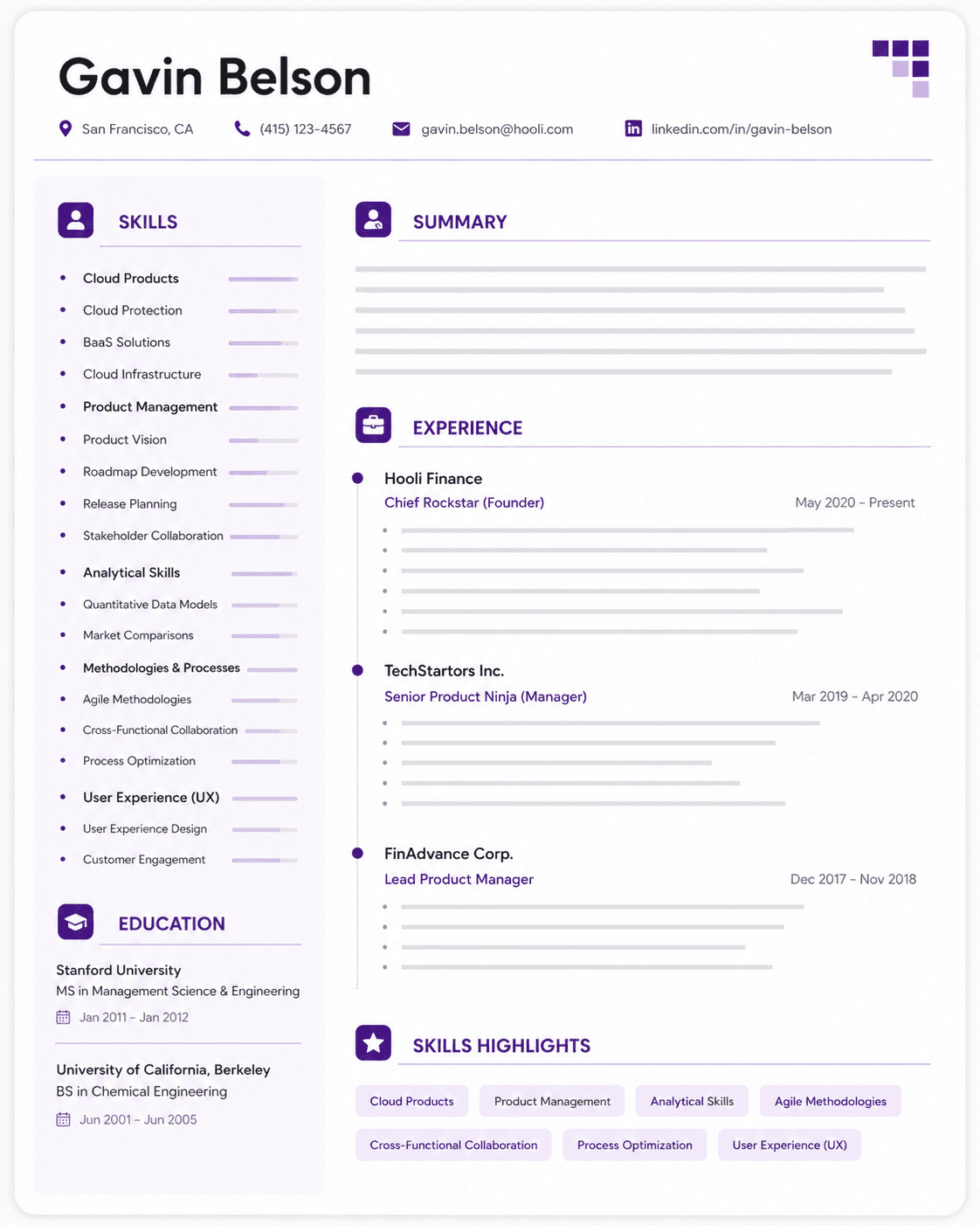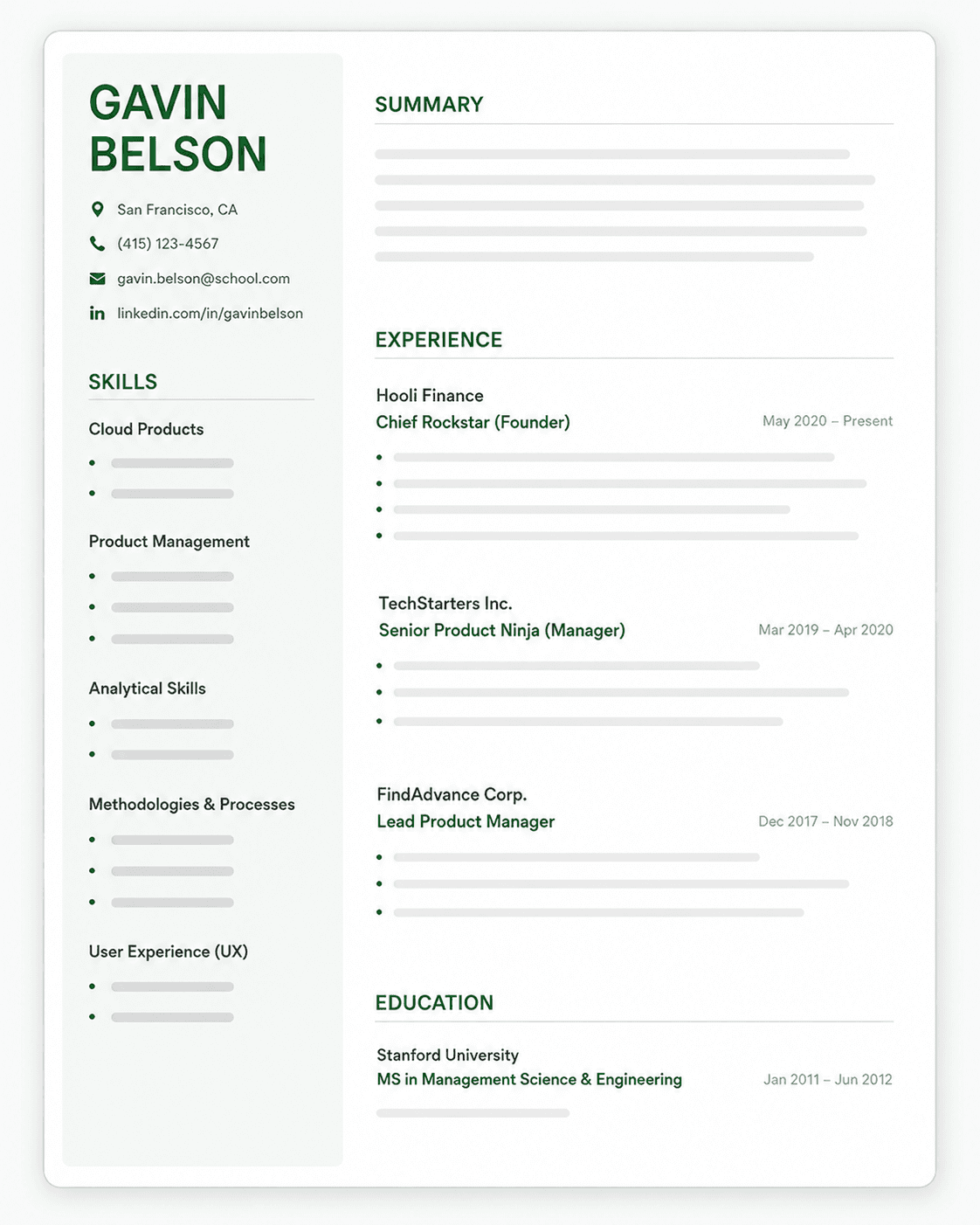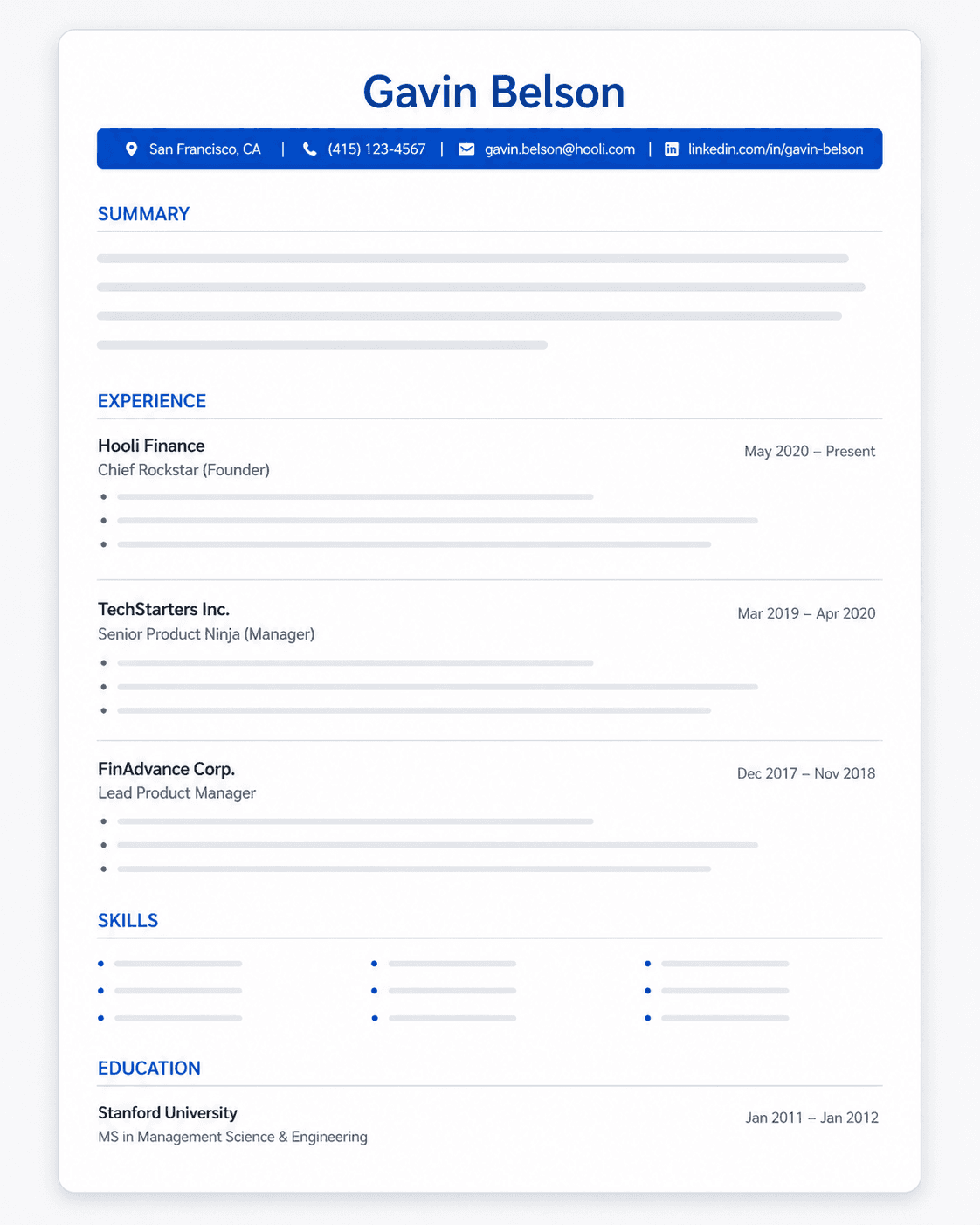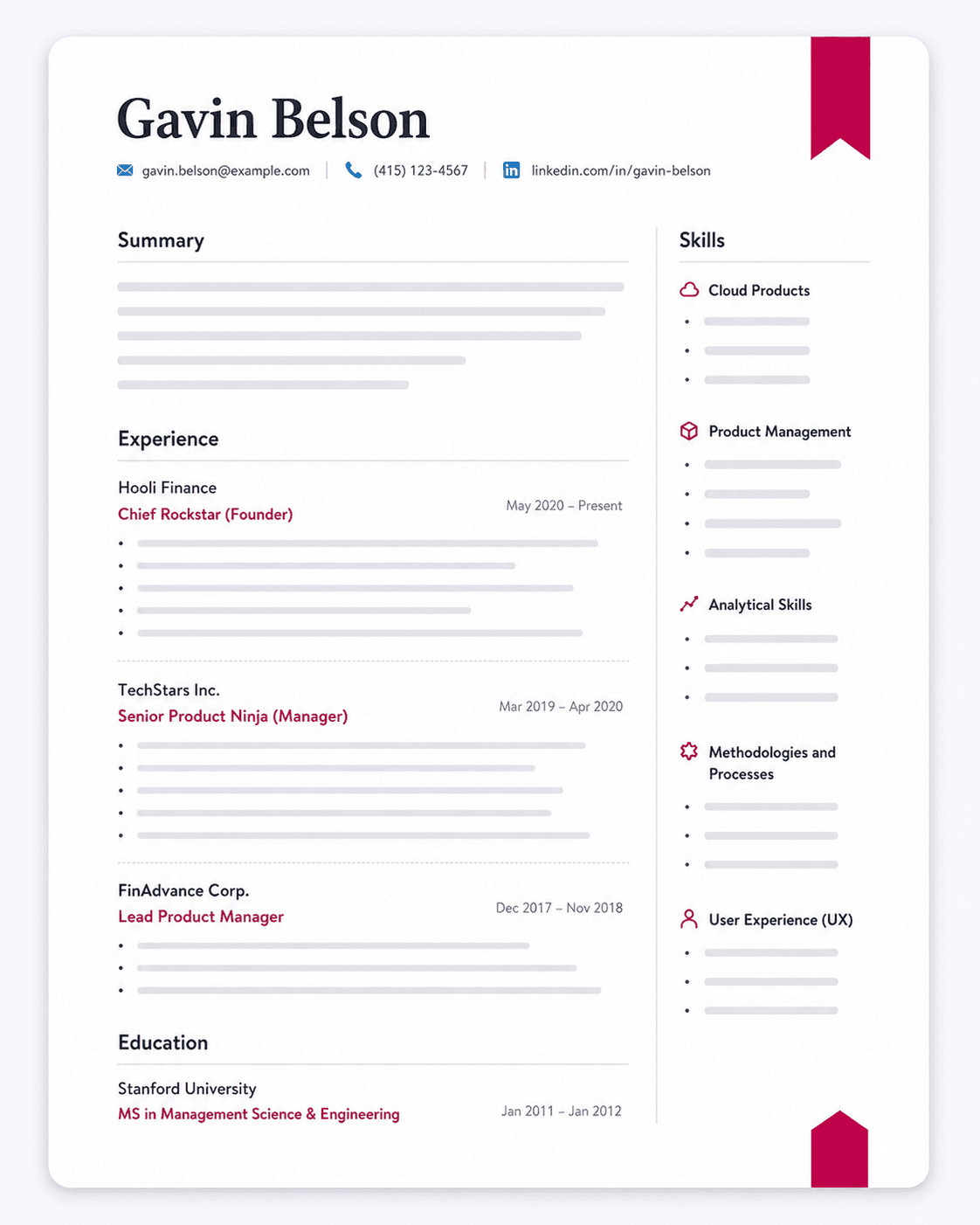
You used ChatGPT to write or tidy up your resume, and now you are picturing a recruiter squinting at it and thinking, "an AI wrote this." It is a common worry in 2026, when most applications carry some AI fingerprints and hiring managers have started talking openly about spotting them.
The honest answer has two halves. Yes, a sharp recruiter can sometimes tell. And no, they are nowhere near as reliable at it as the headlines suggest. So the smart move is to make the resume strong, since their guesswork is not something you can control.
This guide covers what the survey data actually shows, the specific signals recruiters react to, what happens when they do notice, whether they even care, and how to use ChatGPT so the question never works against you.
Can Employers Tell If You Used ChatGPT? Sometimes, But Less Often Than They Claim
Recruiters are confident on this point. In Insight Global's 2025 hiring survey, 53% of hiring managers said they can immediately tell when a candidate used AI, and about one in three claim they can spot a ChatGPT resume in under 20 seconds.
Their confidence runs ahead of their accuracy. When TopResume ran a blind test with 600 US hiring managers, actual detection accuracy landed near 33%. In other words, when they could not lean on an obvious tell, they were wrong about two-thirds of the time. What they reliably catch is the lazy version: a resume that is generic, over-polished, and clearly pasted from a chat window. A specific, personalized resume that happened to start in ChatGPT usually sails right past.
No tool closes that gap for them either. AI-text detectors are unreliable enough that most employers do not trust them for hiring decisions, and the software that screens your resume first does not even look for authorship. An applicant tracking system ranks keywords and formatting, a point we cover in our companion guide on whether an ATS can detect a ChatGPT resume. So the only real audience for the "did they use AI" question is the human reading your resume, and that human is guessing more than measuring.
How Recruiters Actually Spot an AI Resume
When a recruiter does catch it, they are not running forensics. They are pattern-matching against the hundreds of resumes they read, and AI drafts tend to share the same fingerprints:
- Recycled AI vocabulary. Words like delve, tapestry, leverage, spearhead, and pivotal show up far more in AI text than in human writing, so they now read as a signal rather than strong writing.
- Uniform bullet structure. AI writes every bullet on the same template, an action verb followed by an adjective, a noun, and a tidy outcome, repeated down the page.
- Confident verbs with no proof. "Spearheaded transformative initiatives" sounds busy and says nothing. Recruiters look for the number or the specific result underneath.
- Missing context behind the metrics. A clean "improved efficiency by 30%" with no hint of how, or against what, reads as invented.
- Skill inflation. Claims that do not match the candidate's level or the rest of the resume stand out immediately.
Here is the contrast a recruiter feels in the first pass:
"Dynamic professional who leveraged innovative strategies to spearhead transformative initiatives and deliver impactful results across cross-functional teams."
"Ran weekly demand planning for a 400-SKU catalog across 3 warehouses, cutting stockouts from 12% to 4% and freeing about $180K in tied-up inventory over two quarters."
The first could belong to anyone in any job. The second could only belong to the person who lived it. That specificity is what makes the AI question moot, because no recruiter reads the second line and worries about how it was drafted.
What Happens If They Can Tell
The stakes are real when a resume reads as low-effort AI. Surveys from 2025 and 2026 point the same direction: roughly 49% of US hiring managers say they auto-dismiss resumes they suspect are AI-generated, 62% reject AI resumes that lack personalization, and about one in five would reject an obviously AI-written application outright.
Read those numbers carefully. Recruiters are not reacting to the tool; they are reacting to the result it produced when someone leaned on it too hard: writing that is generic, interchangeable, and impossible to verify. A recruiter who senses that a resume is AI-shaped is really sensing that it shows no evidence of a specific person, and that is what makes them move on.
There is a second, slower consequence that no editing trick can dodge. If AI padded your resume with responsibilities you did not own or numbers you cannot explain, the interview exposes it. A recruiter only has to ask you to walk through your "30% efficiency gain," and a claim you cannot back up does more damage than a plainer resume ever would.
Do Employers Actually Care If You Used AI?
Here is the part the fear-driven headlines skip: most recruiters do not object to AI itself. Just over half say using AI to draft or proofread a resume is acceptable, and many treat it the way they treat spellcheck or a professional resume writer. A recruiter who has hired hundreds of people told CNBC it is fine to use AI on your resume, because when it is done well "no one's going to be able to tell."
What they care about is where you draw the line. Using AI to restructure a weak bullet into a clear, achievement-focused one is fair game. Asking AI to invent responsibilities or fabricate accomplishments is the part that gets people rejected and, later, caught. As one resume writer put it, if your resume is specific, backed by evidence, and tailored to the role, recruiters will not care that AI helped. They care whether it is good and whether it is true.
That reframes the whole worry. The aim is simple: make the resume specific and true enough that how it was drafted stops being interesting to anyone.
How to Use ChatGPT So It Doesn't Count Against You
Treat ChatGPT as a first-draft engine and a rewrite partner, then do the work only you can do: make it specific, accurate, and yours. Our guide to using ChatGPT for resume writing covers the prompts that get you a usable first draft.
Turn an AI draft into a resume that reads human:
- Replace every vague line with a real number: team size, budget, percentage, timeline, or volume.
- Name the actual tools, systems, clients, and methods. AI omits these because it does not know your work.
- Cut the tell-tale words: delve, tapestry, leverage, spearhead, pivotal, dynamic, robust, seamless.
- Break the pattern. Vary how your bullets open so they do not all run verb-adjective-noun.
- Make every claim interview-proof. If you cannot explain a number out loud, fix it or remove it.
- Read it against the job description and in your own voice. It should sound like how you actually talk about your work.
The step most people skip is checking the result against something objective. ChatGPT can tell you a resume looks polished, but it cannot tell you whether it matches the specific job or whether a recruiter will find it credible. Running it through Upplai's ATS checker for ChatGPT gives you a real score in the same chat before you send it.
Keep It Human and Keep It True
The resumes that survive a skeptical recruiter share two traits: they read like a real person, and every claim holds up. That is exactly what a transparent resume tool is built to protect, and it is where Upplai differs from pasting your resume into a chatbot.
- Every change is explained, and you approve it. Upplai shows a plain-language reason for each suggestion so you accept or reject it, and nothing gets rewritten behind your back.
- It never invents experience. Upplai works from what is already on your resume rather than fabricating jobs or numbers, so your resume stays true and holds up in the interview.
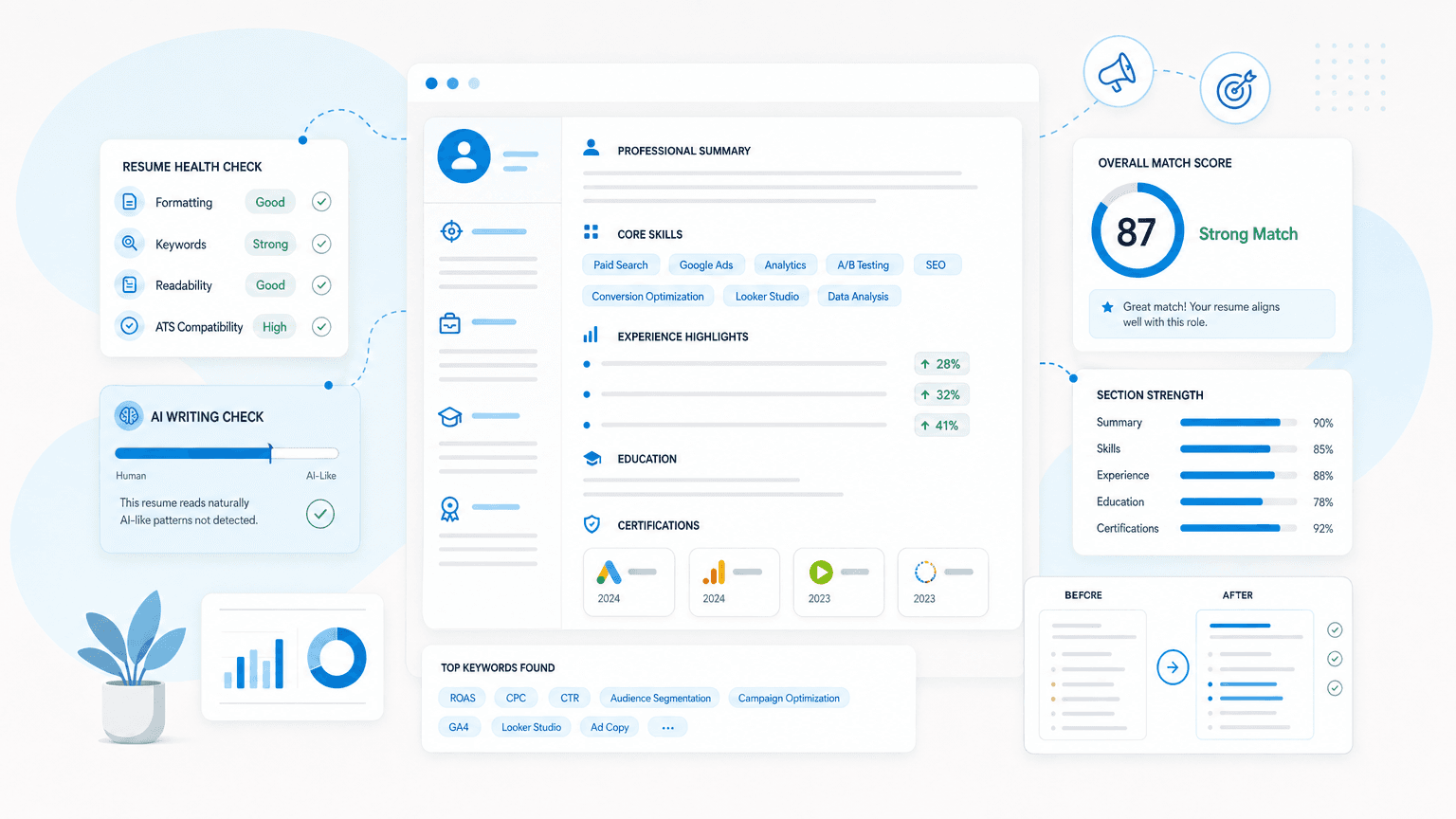
- You see two real scores instead of a guess. A real ATS score and a separate recruiter score sit side by side, so you know whether the resume reads well to software and to a person.
- It flags bias and formatting risks. Upplai points out phrasing that can trigger recruiter bias and cleans up formatting that trips parsers.
- Your preferences stick. Once you set how you like your resume framed, Upplai remembers it across roles, so tailoring stays fast without going generic.
Make sure your resume reads human and scores well
Upload your resume, paste the job description, and see how it reads to both an ATS and a recruiter before you apply.