When your resume is not getting replies, two kinds of AI help come up again and again, and they sound close enough to blur together. One says to build your resume with ChatGPT. The other says to run it through an ATS checker. It is a fair question which one you actually need.
The short answer is that they are not rivals. They solve different problems, and the strongest resumes use both. This guide compares a ChatGPT resume builder and an ATS checker side by side, explains where each one wins, and gives you the simple order to use them in so your resume reads well to a person and scores well with the software.
ChatGPT Resume Builder vs ATS Checker at a Glance
Before the details, here is the split in one view. A ChatGPT resume builder is a writing tool, and an ATS checker is a measuring tool. They sit at different points in the process, which is why using one does not replace the other.
| ChatGPT resume builder | ATS checker | |
|---|---|---|
| Core job | Writes and rewrites content | Scores an existing resume |
| Output | Draft text and tailored bullets | A match score and missing keywords |
| Knows the specific job | Only if you paste it in | Yes, it grades against the posting |
| Gives a real ATS score | No, it estimates | Yes |
| Handles formatting | Prose only, no tested layout | Flags layouts that break parsing |
| Best moment to use it | While drafting | Before you apply |
The next four sections take each of those rows and show what the difference means in practice.
ChatGPT Writes Your Resume, But an ATS Checker Tells You If It Works
A ChatGPT resume builder produces content. You give it your experience and a job description, and it drafts a summary, rewrites your bullets, and tailors your wording. Give it "Managed the company Instagram, grew followers from 5,000 to 8,000 in eight months" and it will tighten that into "Grew the company's Instagram following 60%, from 5,000 to 8,000, in eight months." It is a genuinely good writing partner, and our guide to ChatGPT resume prompts shows how to get the most out of it.
What it cannot do is judge its own work. ChatGPT will hand you a polished resume and tell you it looks strong, but it has no way to know whether that resume will clear the specific job you are targeting. An ATS checker answers exactly that. It grades the finished resume against the posting and returns a verdict: how well you match, and what is still missing.
Put simply, ChatGPT gets you a draft, and an ATS checker tells you whether the draft is good enough to send. One creates, the other confirms, and skipping the second step means applying on a hope.
ChatGPT Guesses at Your ATS Score, But a Checker Actually Measures It
Ask ChatGPT whether your resume is "ATS-optimized" and it will give you a confident answer, sometimes even a number like "90% ATS-friendly." That number is a guess. ChatGPT does not run an applicant tracking system, so it is predicting from patterns rather than measuring against a real parser and a real job.
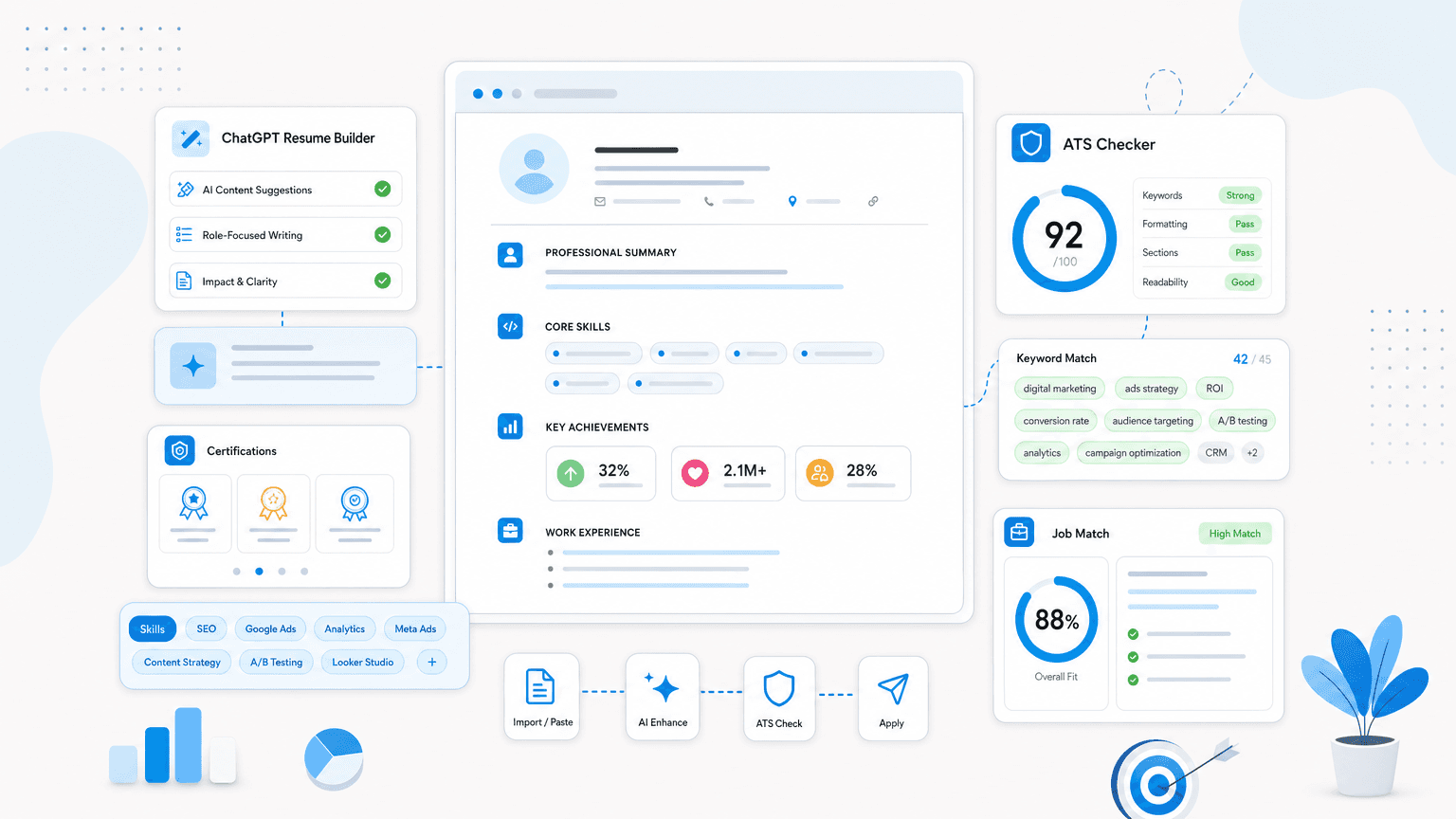
An ATS checker measures. It compares your resume to the specific posting and returns a real score, usually out of 100, along with the keywords and skills you are missing and how much each one matters. If you want to understand what it is scoring, our explainer on how ATS works walks through the parse-and-rank process a checker mirrors.
The difference matters because you cannot improve what you cannot measure. Optimizing against ChatGPT's guess can leave you feeling confident and still getting filtered, while a real score shows you the exact gap to close before you apply. A guess feels the same at 60 and at 90, and a score does not.
ChatGPT Writes for Any Job, But an ATS Checker Targets a Specific One
ChatGPT will happily write a strong, general resume, and that is part of the problem. Unless you paste in a specific job description and push it to tailor, its default output is generic enough to send anywhere, which means it is aimed at no posting in particular.
An ATS checker is built around one job at a time. You give it the exact posting, and it grades your resume against that posting's requirements, surfacing the skills, tools, and titles the role screens for. Say the job asks for "stakeholder management" and "SQL": a general ChatGPT resume might mention neither and still tell you it looks strong, while a checker flags both as missing, because it actually read the posting.
You can get ChatGPT closer by feeding it the description and asking it to tailor, but you are still trusting its judgment of the match. The checker replaces that judgment with a measured score against the real job. For tools that combine writing and scoring, our roundup of the best ChatGPT apps for job seekers is a good starting point.
ChatGPT Ignores Formatting, But an ATS Checker Catches What Breaks Parsing
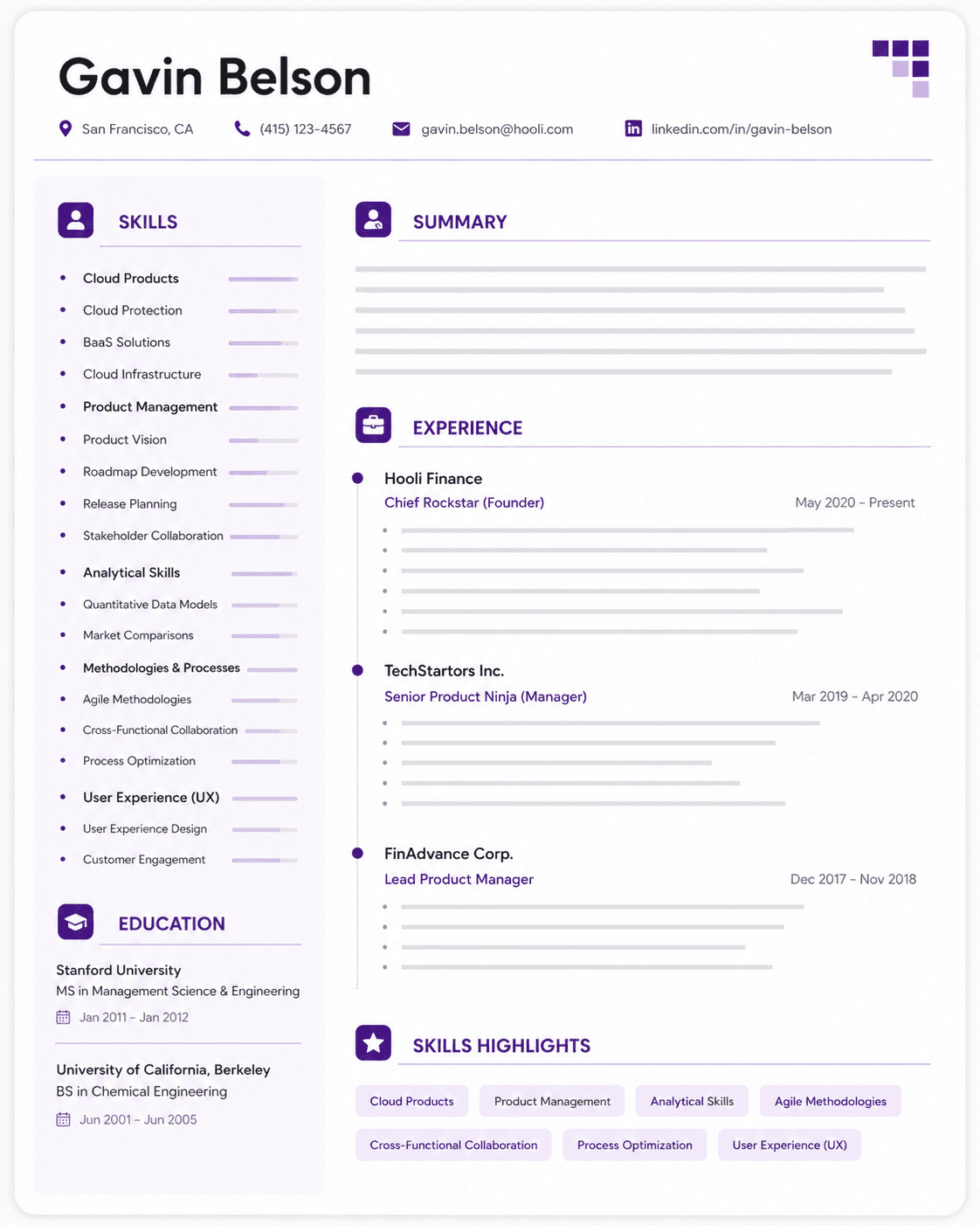
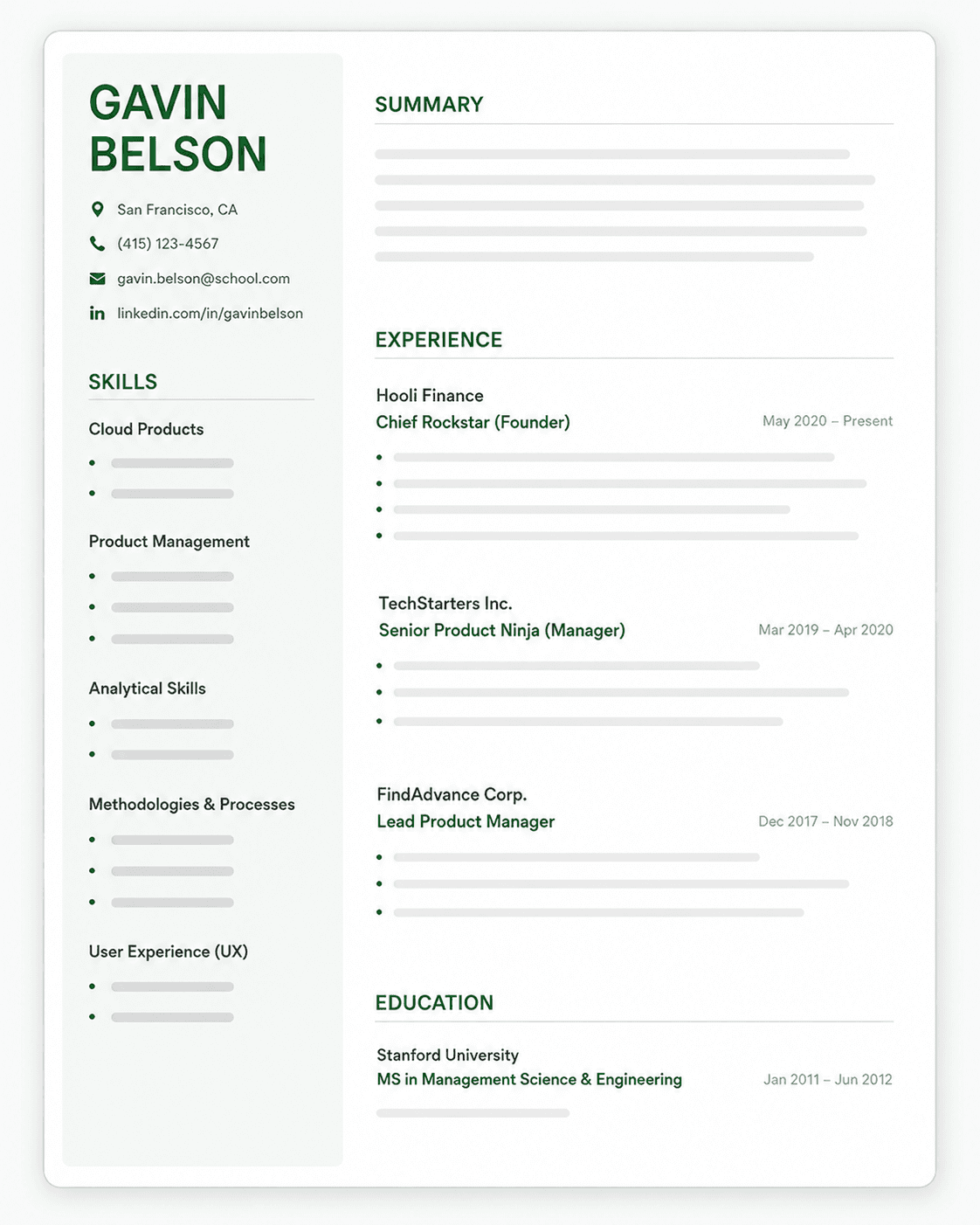
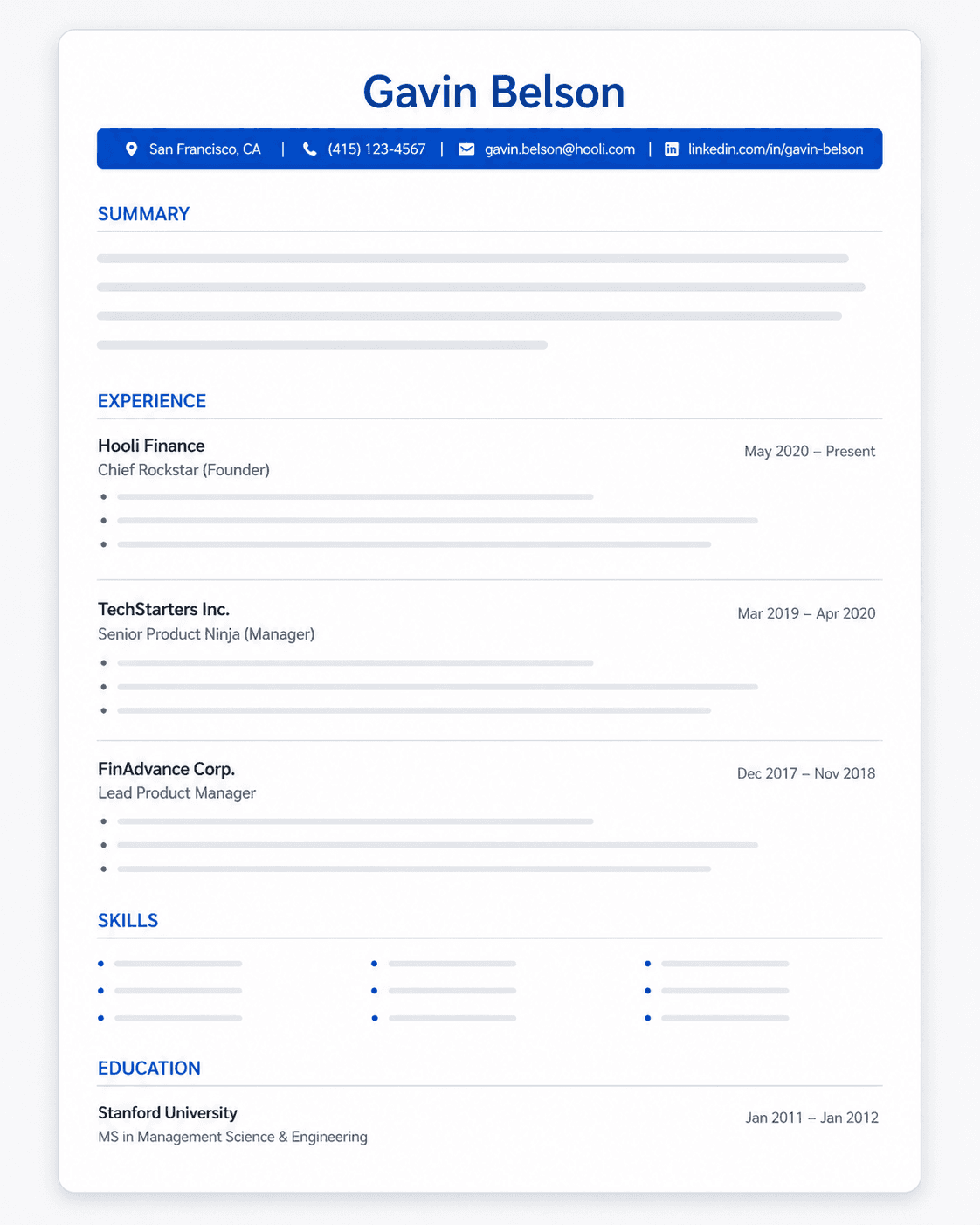
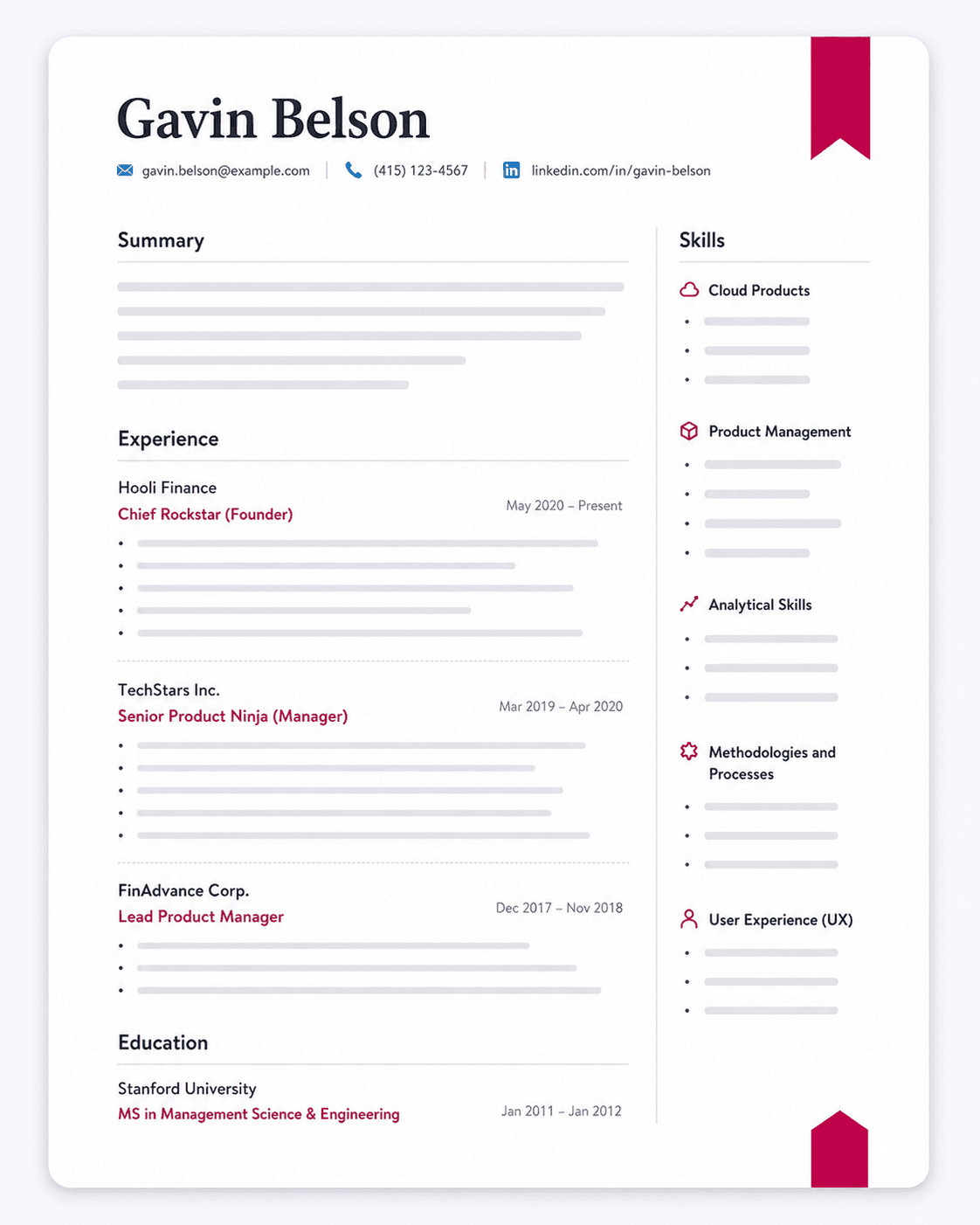
ChatGPT writes words, and it does not build the file you upload. So it has no view into the formatting that quietly sinks good resumes: multi-column layouts, text boxes, tables, images, and content stuffed into headers or footers, all of which confuse an ATS parser and can arrive scrambled or blank.
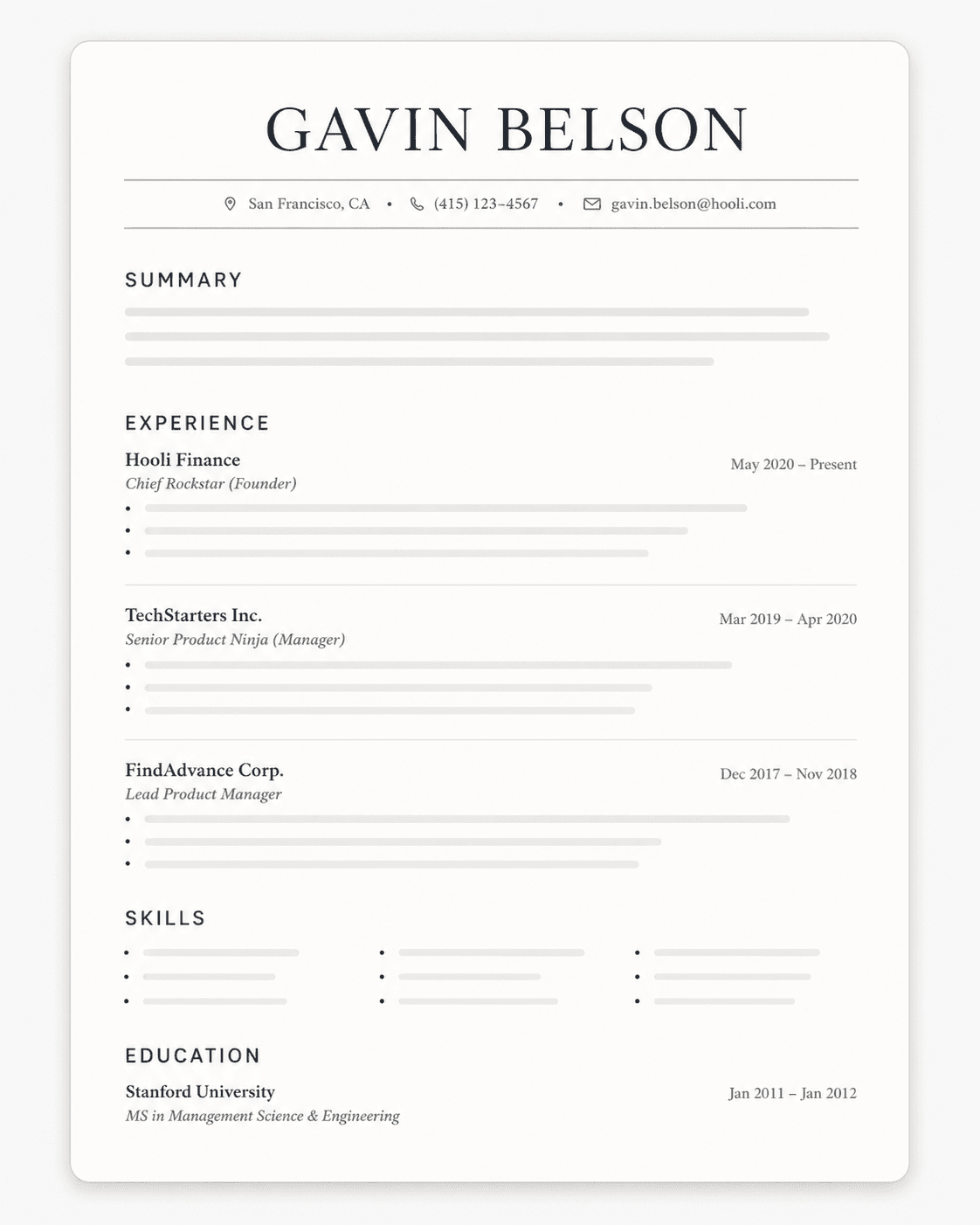
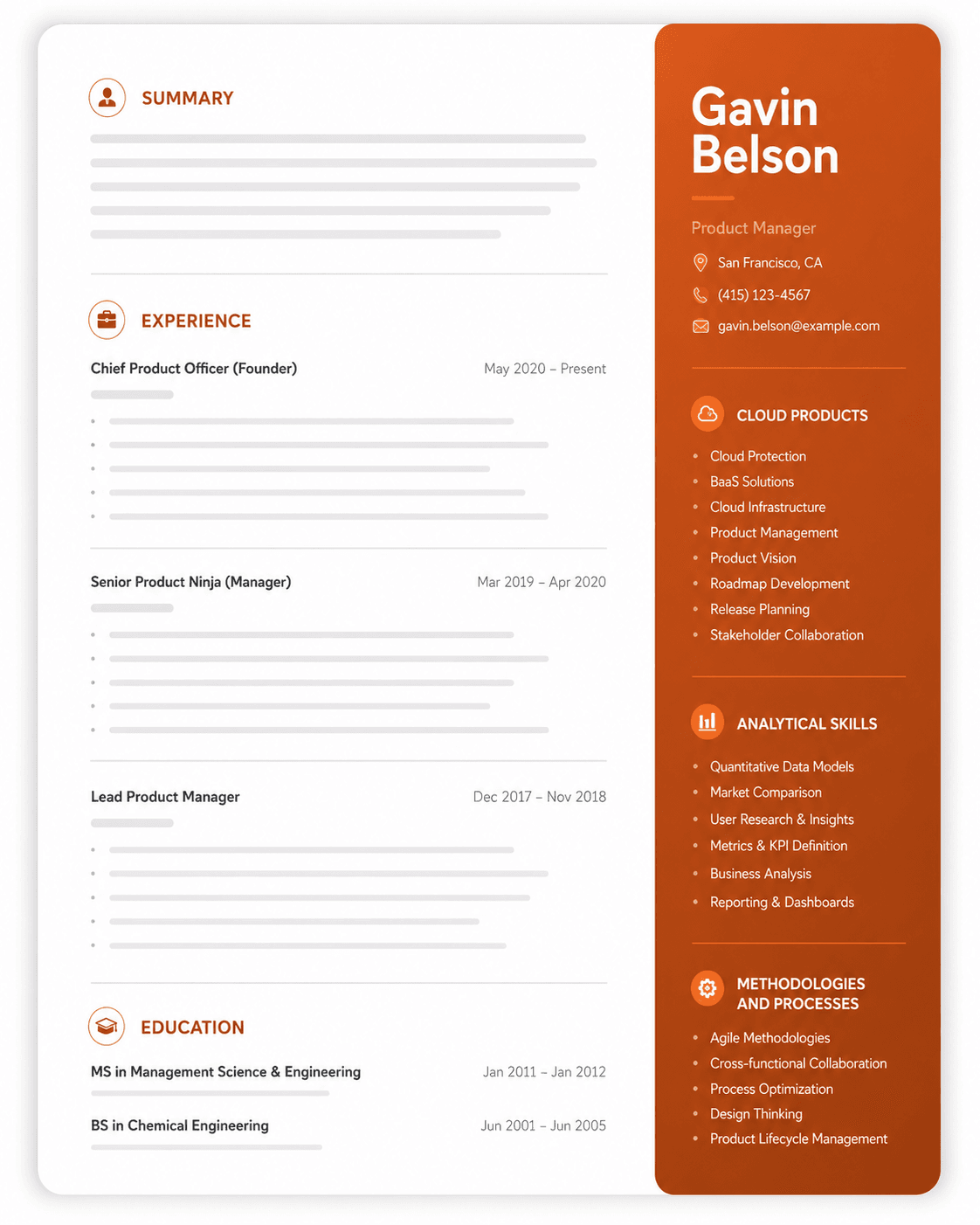
An ATS checker looks at exactly that. It flags the layout problems that keep a resume from parsing cleanly, so the experience you worked on actually reaches the ranking stage. Picture a two-column template with your job titles in a narrow sidebar: ChatGPT wrote great bullets, but a parser reading left to right can drop that column, and your experience lands as orphaned bullet points attached to no roles. ChatGPT will never warn you, and a checker will.
Our guide on whether an ATS can detect a ChatGPT resume explains why the parser, rather than the writing, is where many strong resumes quietly fail.
Which Should You Use?
For almost everyone, the answer is both, in this order:
- Draft and tailor with ChatGPT. Feed it your real history and the job description, get your wording and bullets into shape, keep every claim true, and cut the buzzwords.
- Score and optimize with an ATS checker. Run the tailored resume against the specific posting, add the missing keywords that genuinely apply to you, and fix any formatting the checker flags.
- Repeat for each job that matters. Both steps take minutes once you have a base resume.
If wrangling ChatGPT for the writing feels like too much, a dedicated resume builder handles drafting and ATS-safe formatting together, and our roundup of the best resume builders compares the options. Either way, one habit matters most: do not let either tool run unsupervised. Fully outsourcing the writing to AI produces a generic, buzzword-heavy resume that recruiters screen out, which is one of the most common ChatGPT resume mistakes, and trusting ChatGPT's opinion of its own ATS-readiness sends you into the pipeline blind. You stay in control, and the tools draft and grade.
The Shortcut: An ATS Checker That Runs Inside ChatGPT
If moving between two tools sounds like friction, you can get both jobs done in one place. Upplai is an ATS checker, so it returns a real ATS score rather than an estimate, and it runs as an app inside ChatGPT, right where you are already drafting.
You paste your resume and the job description, and Upplai returns a real ATS score from 0 to 100, a Low, Medium, or High likelihood of passing, and the missing keywords ranked by impact, then lets you edit and rescore in the same conversation. Because it is transparent, it explains each suggested change and lets you accept or reject it, and it never invents experience, so the resume stays yours. That closes the gap between ChatGPT's writing and a checker's measuring without leaving the chat.
You add it from the ATS checker for ChatGPT page, and it works on free ChatGPT with a free Upplai account. The free plan includes 3 tailored resumes with matching cover letters and 200 ATS scans a month, with no credit card required, so you can run the whole draft-then-score loop before you spend anything.
Draft and score in one place
Run your resume and the job description through Upplai's ATS checker for ChatGPT, and get a real score with the keywords that matter.
Conclusion
A ChatGPT resume builder and an ATS checker are not competing answers to the same question. ChatGPT writes and tailors, and an ATS checker measures whether what you wrote will actually pass. Use ChatGPT to get a strong, specific draft, then use a checker to confirm it clears the job before you apply, and you get the speed of AI writing with the certainty of a real score. If you would rather not switch tools, run both inside ChatGPT with the Upplai ATS checker and keep the whole loop in one conversation.