Every security officer applicant in your stack has the same state guard card. Yours might come with three years on a corporate campus, four years as an Army Military Police NCO, or a fresh certification and nothing else yet, but the license only proves eligibility. It doesn't make you stand out. Hiring managers see that same credential on every resume that crosses their desk.
This guide shows you how to build a resume that gets past that sameness. You'll get a formula for writing summaries and bullets that show judgment and documentation skill instead of just duties, exact guidance on where certifications and license status belong on the page, and a bullet library organized by setting, corporate, retail, armed transport, events, and residential patrol, so you can pull language that actually matches your background.
By the end, you'll have a section-by-section structure you can fill in with your own numbers, three full example resumes at different career stages, and a list of the mistakes that get otherwise-qualified officers filtered out before a person ever reads their resume.
How to Write a Security Officer Resume That Gets Interviews
Every applicant for a security officer role has the same guard card. What separates the resumes that get callbacks is how clearly they show judgment, documentation skill, and specific results, not just that the candidate held a post. Here's how to build each section so it works for you instead of blending in.
Write a Targeted Summary or Objective
If you have two or more years of security experience, lead with a summary that states your setting, your scope, and a real result. If you're writing a career-change resume, are a recent guard-card holder, or are coming from the military or law enforcement with no civilian security title yet, use an objective instead. It should name your training and what you're ready to apply, not apologize for lacking "official" experience.
A weak summary looks like this:
"Hardworking security officer with good communication skills and attention to detail, looking for a stable position."
A stronger one looks like this:
"Unarmed security officer with 3 years protecting a 400,000-square-foot corporate campus, managing access control for 200+ daily visitors and leading incident documentation for a team of 6. Reduced after-hours access violations by 35% after redesigning the visitor sign-in protocol."
Entry-level / career-changer objective example:
"Recently certified security officer (State Guard Card, active) with 4 years as an Army Military Police NCO, including access control, patrol operations, and incident reporting for a 500-person installation. Seeking to bring de-escalation training and evidence-grade documentation habits to a corporate security team."
Showcase Your Security Certifications and Licenses
Certifications and licenses aren't a footnote on a security officer resume. They're often the first thing a hiring manager scans for, since many roles are legally gated by them. Give this section its own heading near the top, right under your summary or contact block, not buried after work history.
List each credential with the issuing body and its current status: "Unarmed Security Guard Card, State of California, active, exp. 03/2028." Armed roles typically require a separate armed guard license or permit on top of the base guard card, since carrying a firearm on post means additional state-mandated firearms qualification and use-of-force training. Some postings also call this a commissioned security officer, meaning the officer has completed firearms and state law training beyond the basic unarmed course.
Also list CPR/AED certification (American Red Cross or American Heart Association) and any OSHA safety training, both common requirements for corporate and retail posts. If a license is in progress, say so plainly: "Armed Security Guard License, State of Texas, in progress, exam scheduled 08/2026." If one has lapsed, note renewal status rather than omitting it. Hiring managers assume silence means expired, and that assumption works against you.
Build a Skills Section That Speaks to Hiring Managers
A skills list of "teamwork, reliability, communication" tells a hiring manager nothing they can't assume. Group your skills by category instead, so a reviewer scanning for specific gaps can find them in seconds.
Surveillance & Technology: CCTV monitoring (Genetec, Milestone), access control systems, alarm response, metal detection/wanding, visitor management software
Safety & Emergency Response: First aid/CPR/AED, fire watch procedures, evacuation coordination, de-escalation, active-threat response protocols
Documentation & Compliance: Incident report writing, chain-of-custody logs, daily activity reports (DARs), OSHA compliance, post-order adherence
Interpersonal & Judgment: Conflict de-escalation, visitor and employee relations, situational awareness, decision-making under pressure
Only list what you can actually perform without supervision, and mirror the exact wording from the job posting where your experience genuinely matches (if the listing says "CCTV monitoring," don't write "camera systems"). Group skills to match the setting you're targeting: a retail posting rewards loss-prevention and observation skills, while a corporate post rewards access control and visitor relations.
Write Achievement-Focused Experience Bullets
Every experience bullet should follow one formula: [Action verb] + [specific task or method] + [quantifiable result or scope].
A weak bullet looks like this:
"Responsible for monitoring cameras and writing reports."
A stronger one looks like this:
"Monitored 24-camera CCTV network across a 3-building retail complex, documenting 40+ incidents monthly and reducing average incident response time to under 90 seconds."
If you lack clean metrics, quantify scope instead of outcomes: square footage covered, number of posts rotated, team size supervised, or shifts worked without a reportable incident. A line like "Patrolled 12-acre residential property across rotating night shifts with zero missed checkpoints" is a legitimate number even without a percentage attached. To find forgotten numbers, check old schedules, incident logs, post orders, or performance reviews for figures you stopped noticing: visitor counts, patrol frequency, team size, or the length of your longest incident-free stretch.
Security Officer Resume Bullets by Setting
The setting you worked in matters more than the generic title "security officer." Use whichever set below matches your background, and adjust the numbers to your real experience.
Corporate / Office
- Managed access control and visitor screening for a 15-floor corporate headquarters, processing 250+ daily check-ins and maintaining a 2-year record with zero unauthorized access incidents.
- Coordinated with facilities and HR on 20+ workplace investigations, producing incident documentation used in 3 formal disciplinary proceedings.
Retail / Loss Prevention
- Partnered with store management to identify shoplifting patterns, contributing to a 22% reduction in shrinkage over one fiscal year.
- Conducted covert surveillance and apprehensions across a 45,000-square-foot store, documenting 60+ loss-prevention incidents with court-admissible reports.
Armed / Armed Transport
- Provided armed protection for cash-in-transit routes valued at $500,000+ weekly, completing over 300 secure transfers with zero losses.
- Maintained firearms qualification and use-of-force certification while supervising a 4-person armed patrol team across a 24-hour commercial site.
Event & Hospitality
- Managed crowd control and credential checks for events drawing 5,000+ attendees, coordinating with local police on 2 emergency evacuations without injury.
- Supervised bag checks and entry screening for a 1,200-seat venue, cutting average guest wait times by 30% through revised lane staffing.
Residential / Patrol
- Patrolled a 200-unit residential community on foot and vehicle rotations, logging nightly checks and resolving 15+ resident disputes without escalation.
- Maintained a 3-year record of zero break-ins across an assigned gated community by enforcing visitor verification protocols at every entry point.
Security Officer Resume Examples
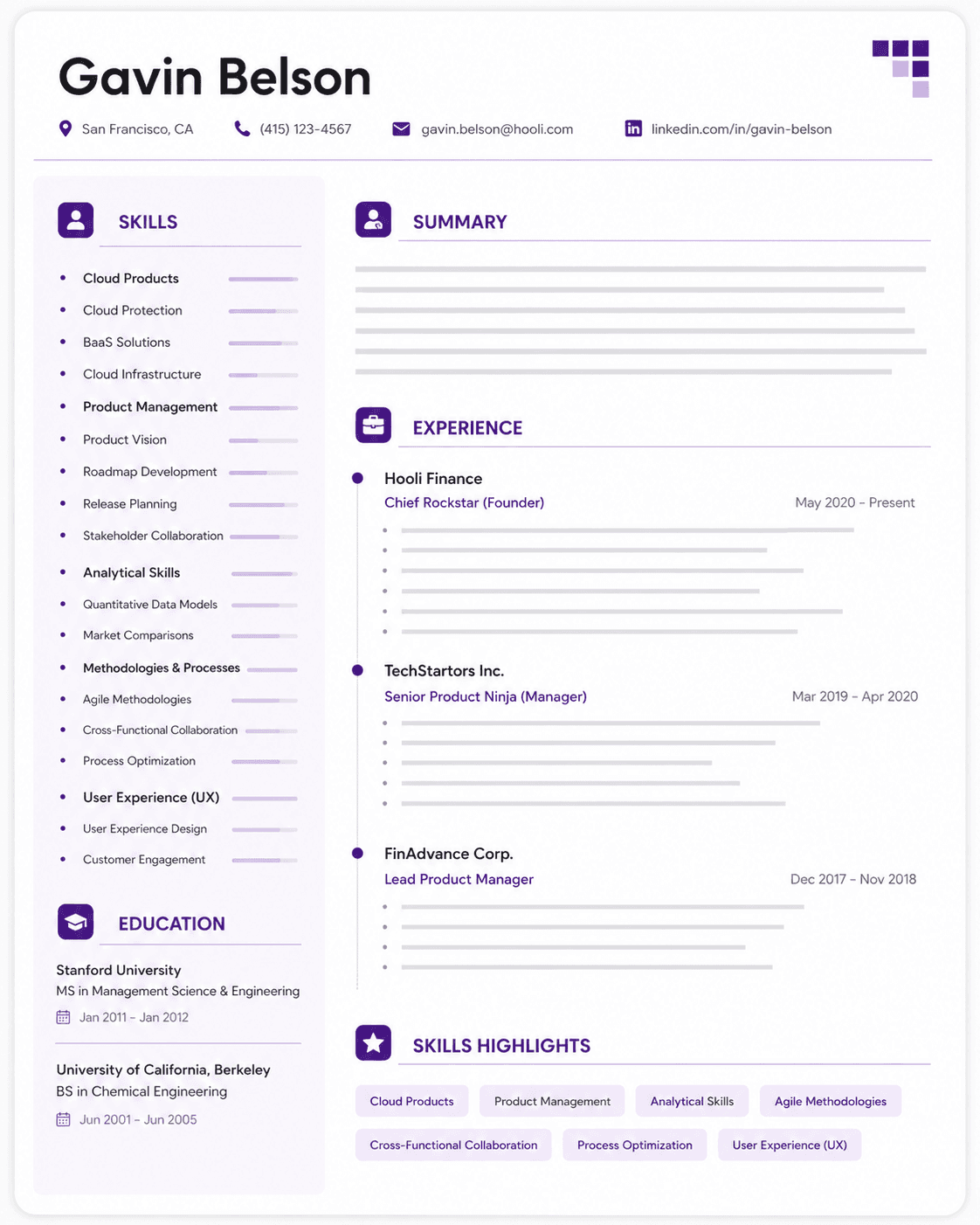
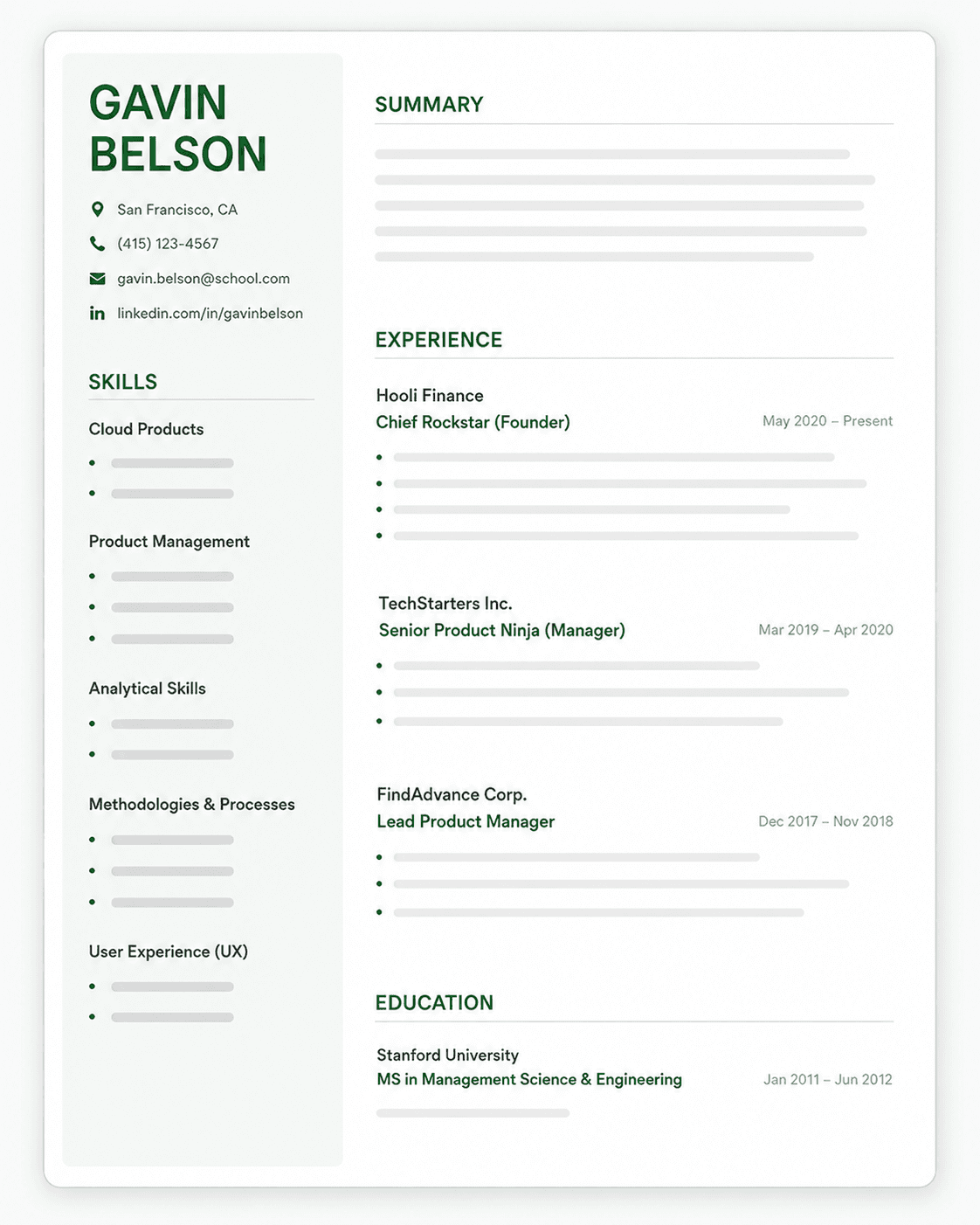
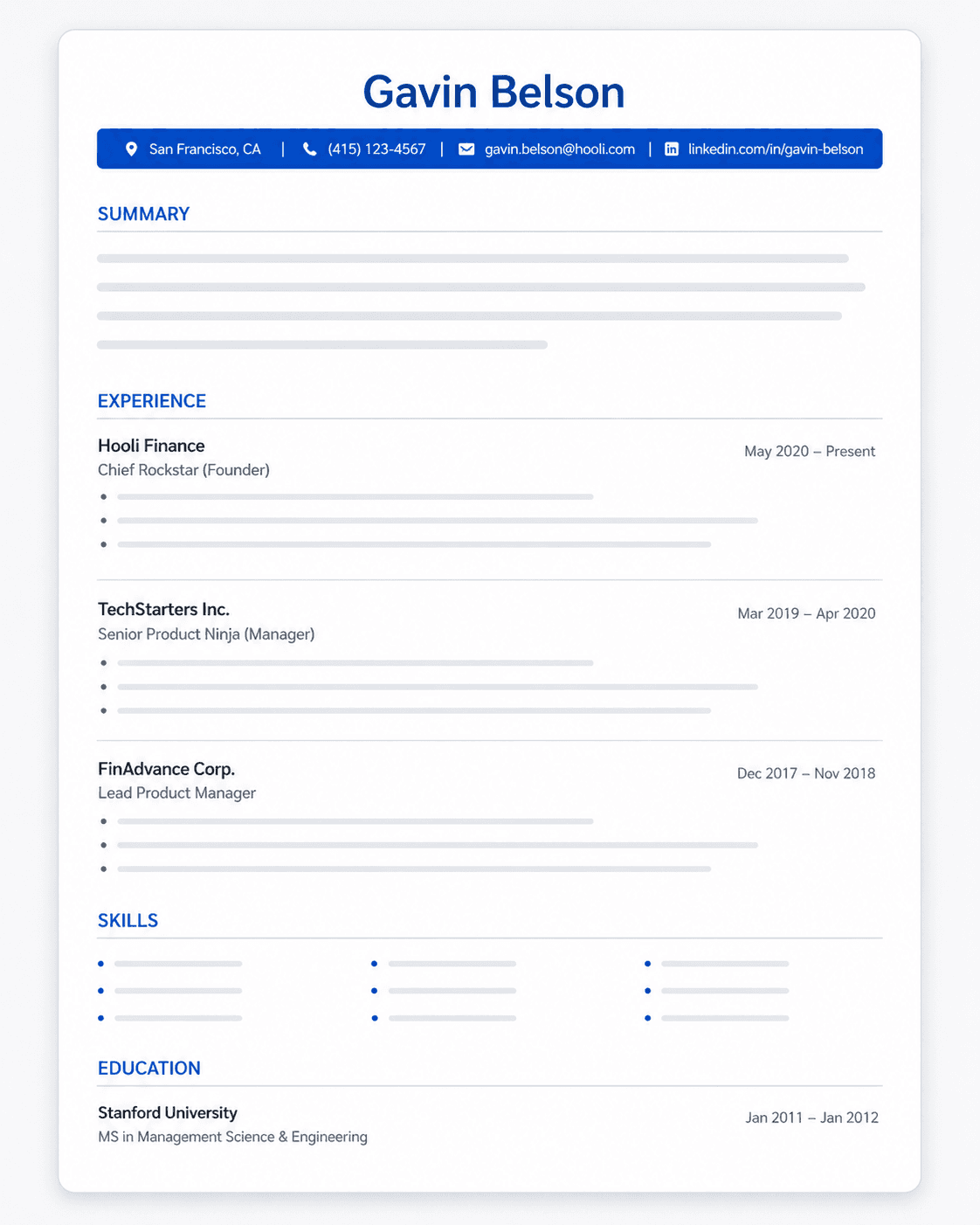
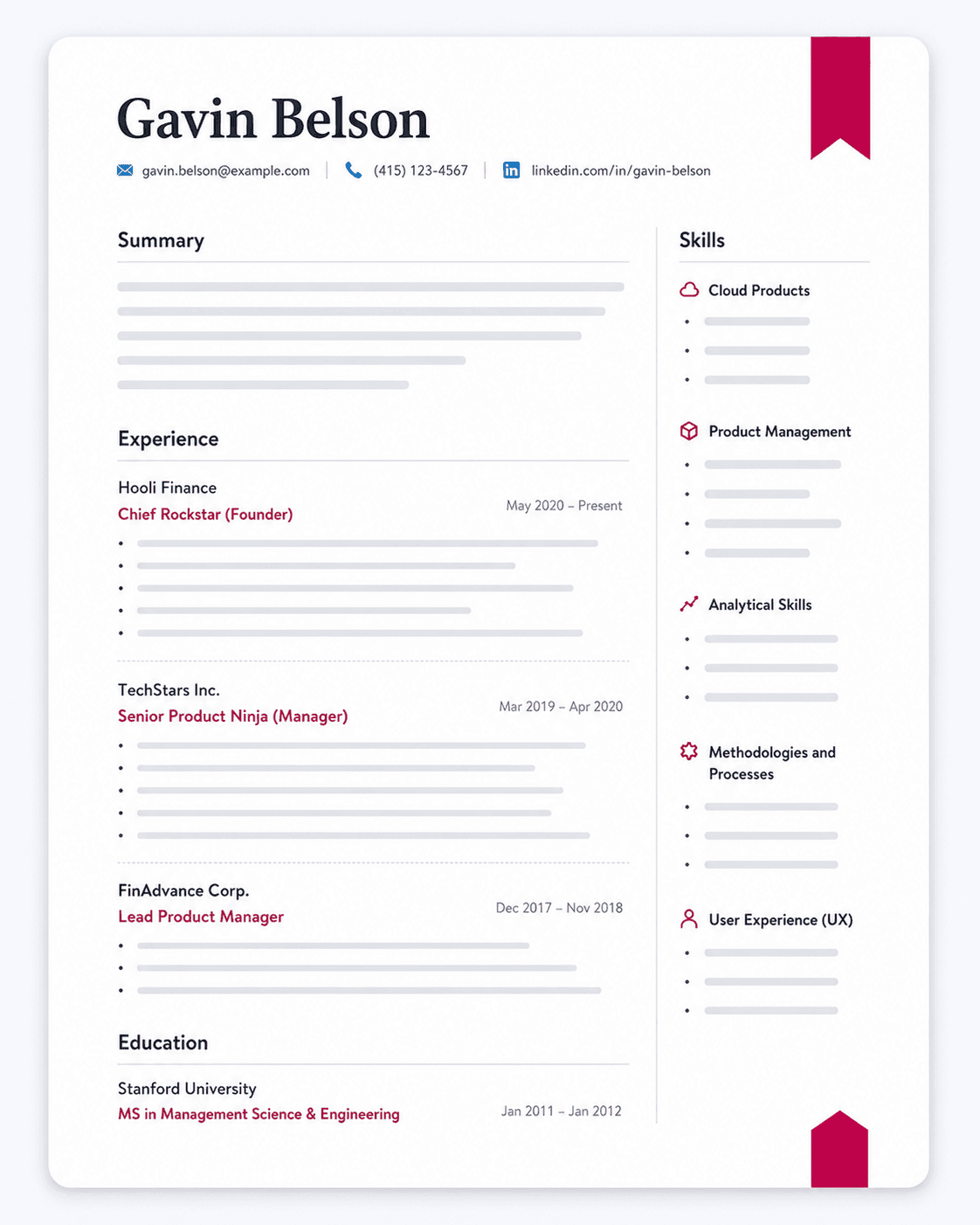
The fastest way to see how these principles come together is a full resume, not another list of tips. Below are three versions of a security officer resume, each built for a different point in a career.
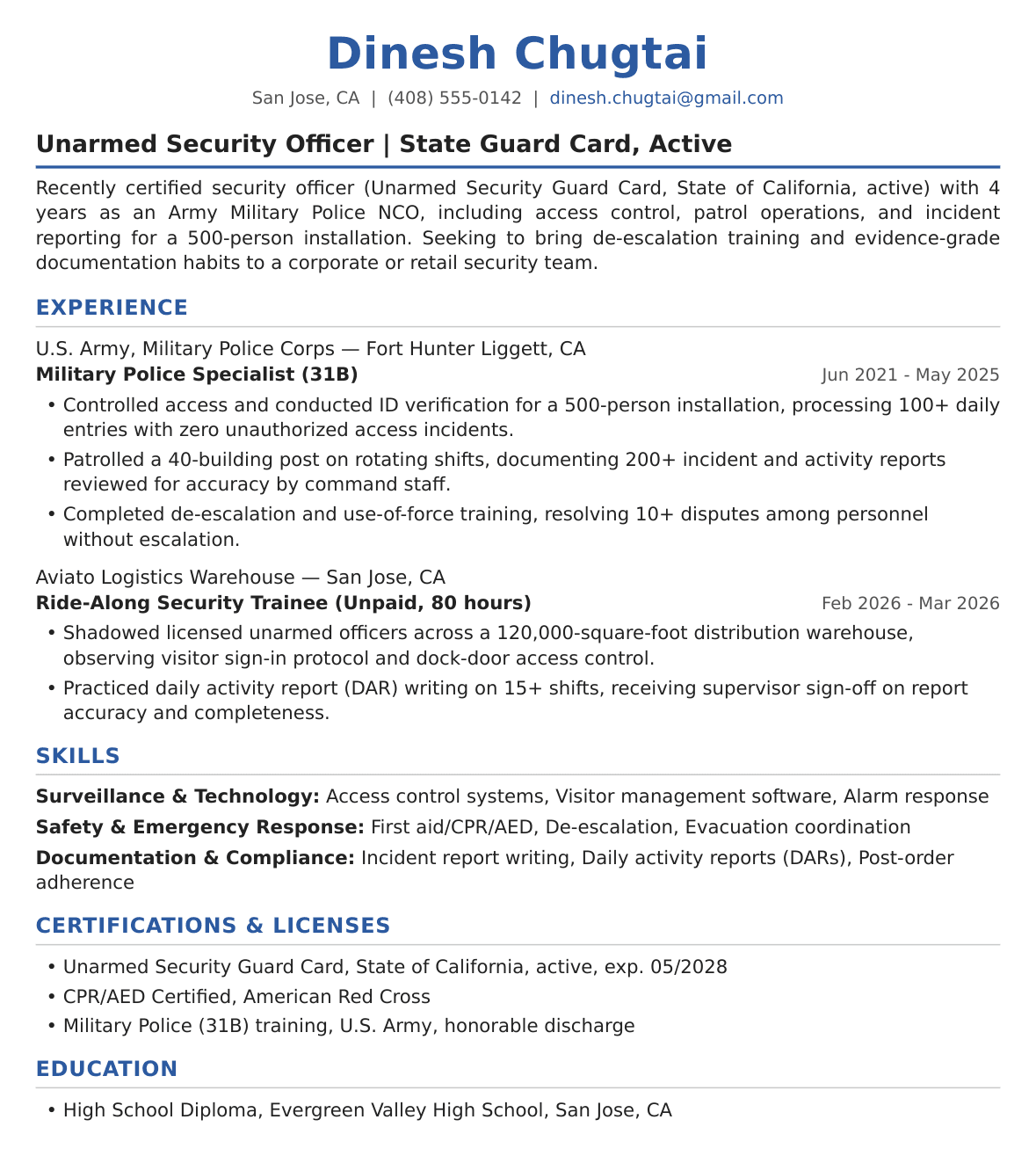
Entry-Level / Unarmed
For a career-changer or recent guard-card holder applying to unarmed roles in retail, warehouses, or office lobbies. It leans on an objective statement, transferable skills, and any training or ride-along experience in place of a long work history.
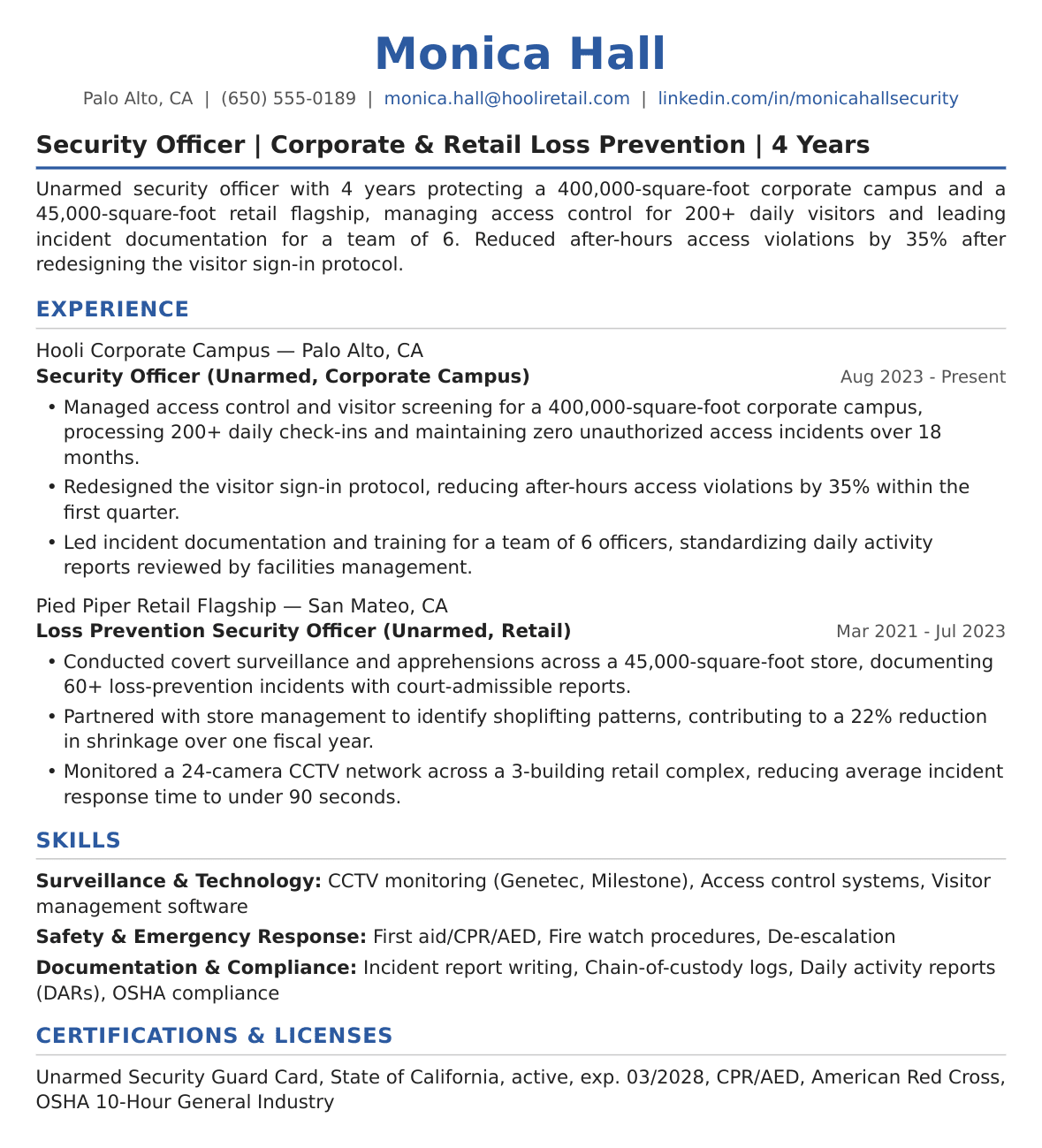
Mid-Level / Corporate or Retail
For an officer with two to five years of experience in corporate, retail, or loss-prevention settings who has a track record to quantify. It shows a summary statement, a categorized skills section, and bullets built around incident counts and loss-reduction numbers.
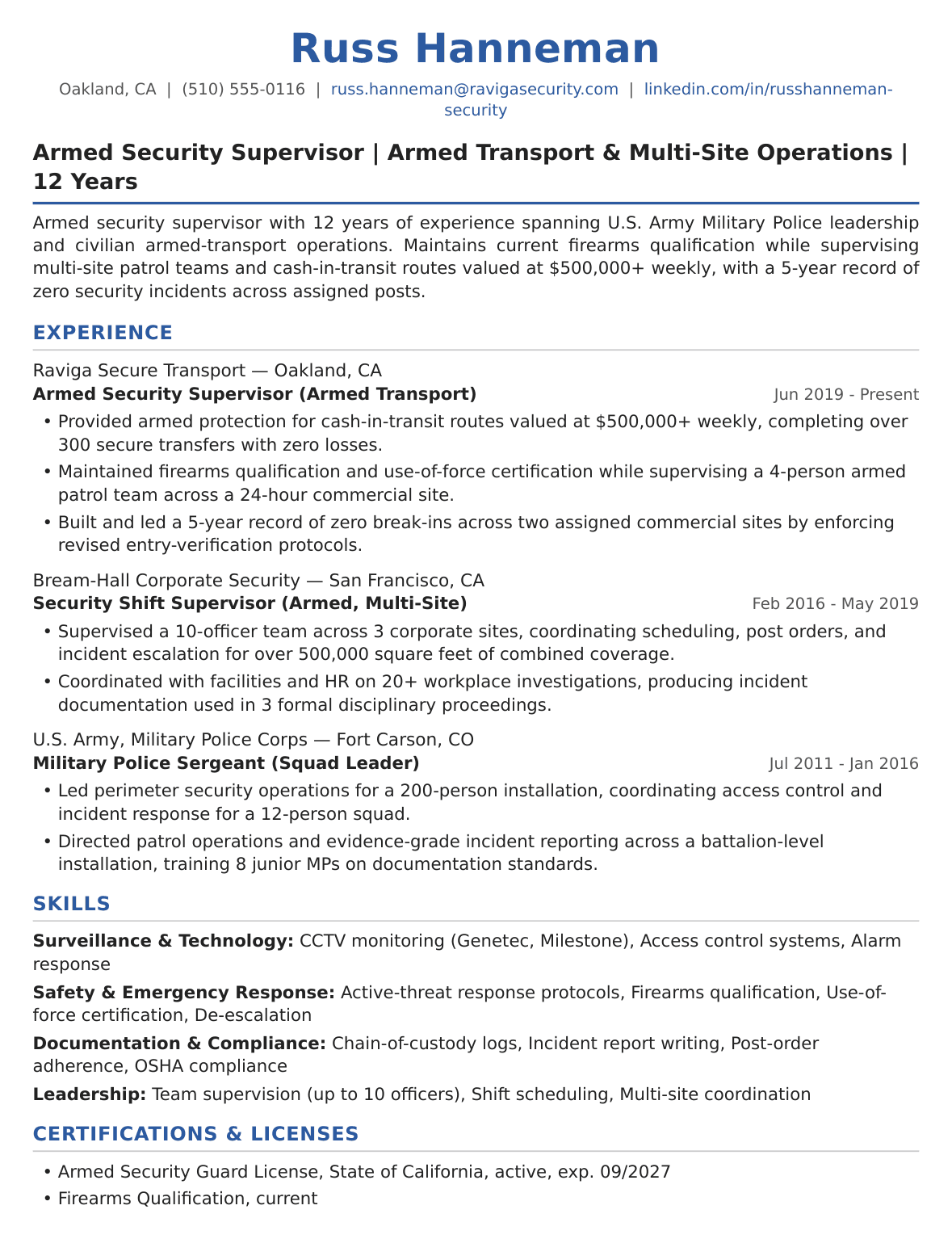
Senior / Armed or Supervisory
For a veteran officer, often with a military or law-enforcement background, moving into armed, supervisory, or armed-transport roles. It foregrounds licensing and firearms qualifications near the top and uses bullets that show scope: team size, sites managed, and years without a security incident.
Security Officer Resume Keywords
Security employers filter by state licensing first, then post-specific skills like access control and CCTV. List your license and certifications exactly as your state names them.
| Category | Keywords |
|---|---|
| Licensing & certifications | State guard card/security license, Armed/unarmed certification, First aid/CPR/AED, OSHA safety training |
| Monitoring & patrol | Access control, CCTV surveillance monitoring, Foot and mobile patrols, Alarm response, Visitor management, Post orders |
| Response & reporting | Incident report writing, Emergency response, De-escalation techniques, Crowd control, Loss prevention |
| Communication | Radio communication, Law enforcement liaison, Customer service, Observation and vigilance |
Same Post, New Badge: When Your Site Changes Security Companies
Contract security has an employment quirk civilians misread: the building keeps you, but the vendor changes. When a property flips its security contract, the incumbent guards are often rehired on the spot by the incoming company. Five years at one lobby can show three "employers," and a recruiter skimming dates sees a job hopper where there's actually a guard so reliable that three vendors kept them.
Structure the resume around the site, with vendors as sub-lines:
Security Officer — Riverside Corporate Campus, Dallas, TX (2020–2026) Continuous assignment across three contract holders: Allied Universal (2020–22), GardaWorld (2022–24), Securitas (2024–26)
- Retained through two vendor transitions at client request
"Retained through vendor transitions" is the strongest line available to a contract guard; it means the client specifically kept you when they didn't have to. Keep each vendor's dates accurate, because background checks verify against the vendor of record, not the building, and mismatched dates are the one way this format backfires.
Common Security Officer Resume Mistakes to Avoid
Describing Duties Instead of Impact
"Monitored premises and patrolled parking lot" tells a hiring manager what your shift looked like, not what you accomplished. Every applicant with a guard card can claim the same duties. Rewrite bullets around outcomes: incidents deterred, response times, audits passed, or losses prevented. "Reduced parking-lot theft incidents by conducting hourly patrols across a 3-acre lot" proves value a duty list can't.
Using One Generic Resume for Every Posting
A single resume sent to corporate, retail, and armed-transport openings reads as unfocused, because each setting weighs different priorities: de-escalation for retail, firearms certification for armed roles, visitor management for corporate lobbies. Recruiters notice when a resume doesn't mirror the posting's language. Fix this by swapping your summary line and top three bullets to match each job description's specific keywords and setting.
Burying or Omitting License Status
Your state guard card or armed license is the first thing a hiring manager checks, yet many candidates bury it mid-resume or leave off the issuing state and expiration date. An expired or unverifiable license reads as a red flag, not an oversight. Place license type, issuing state, and status (active, expiration date, or "in progress") near your name or in a dedicated certifications section, never as an afterthought in the skills list.
Ignoring ATS-Unfriendly Formatting
ATS-unfriendly formatting, including tables, text boxes, columns, and graphics, often gets scrambled or dropped entirely by applicant tracking systems, which means your certifications and experience may never reach a human. Security officer postings are high-volume, so most employers rely on ATS to filter first. Stick to a single-column, reverse-chronological layout with standard headings the software can parse cleanly.
Leaving Military Jargon Untranslated
A bullet like "Served as 31B MOS conducting base perimeter security operations under AR 190-13" means little to a civilian hiring manager. Translate rank, unit, and code into recognizable terms: "Led perimeter security operations for a 200-person installation, coordinating access control and incident response" communicates the same experience without requiring a military dictionary. Do this for every bullet, not just the summary.
Vague Soft-Skill Claims With No Evidence
Listing "strong communicator" or "team player" without proof asks the reader to take your word for it. In security work, judgment and documentation matter more than personality traits. Replace vague claims with evidence: "De-escalated an average of 5 customer conflicts weekly without incident escalation" or "Authored incident reports used in 2 successful insurance claims" shows the trait instead of naming it.
Disorganized Work History Without Title Clarifiers
Titles like "Officer" or "Guard" vary wildly between employers and don't tell a reader whether you worked armed transport, retail loss prevention, or a corporate lobby. Listing jobs with only the company name and generic title forces the reader to guess your actual scope. Add a clarifier in parentheses, such as "Security Officer (Armed, Corporate Campus)," so each role's context is clear at a glance.
How AI Resume Builders Can Simplify Your Security Officer Resume
A corporate security post, a retail loss-prevention role, and an armed guard assignment each call for a different resume, and rewriting yours from scratch for every posting is not realistic when you are also applying to five other jobs this week. Most security officer resumes also read the same, since everyone lists the same certification and the same patrol duties, which is exactly what gets one filtered out by ATS keyword matching before a recruiter ever sees it. Upplai is built to fix both problems at once.
- Real-time ATS scoring. Upload your resume and the job posting, and Upplai shows your ATS and recruiter match scores instantly, then updates them as you edit, so you can see whether a change actually helped before you download anything.
- Transparent suggestions. Every edit comes with a plain-language "why this change" explanation. You accept or reject each one individually. Nothing gets rewritten behind your back, and nothing about your certifications, clearances, or incident history gets invented.
- Automatic formatting. Upplai applies ATS-friendly templates and formatting automatically, so tables, headers, or layout choices that confuse parsing software never cost you an interview.
- Structure guidance. Suggestions reflect recruiter best practices, reordering content for relevance, strengthening action verbs, and quantifying results like incidents prevented or sites covered, while also flagging language that could trigger bias in screening.
- Preference memory. Your formatting, metric, and reordering choices are remembered across sessions, so tailoring your next application takes less rework each time.
Pricing is honest by design. The free plan includes 200 ATS scans a month, 3 tailored resumes, and unlimited downloads, with no credit card required. Beyond that, extra tailored resumes cost $0.50 to $1.00 each with no subscription.
A guard card gets you in the door. What gets you the interview is a resume that proves you can document incidents, hold a post under pressure, and adapt your judgment to the setting. That could mean a corporate lobby, a retail floor, or an armed transport route. Use the setting-specific bullets and certification placement in this guide, then tailor the summary and top bullets to each posting's actual language instead of sending one generic version everywhere.
If you want a faster way to check whether your resume matches a specific job posting before you submit it, run it through a scoring tool built for exactly that.
See how your security officer resume scores
Run a free ATS check in under three minutes.