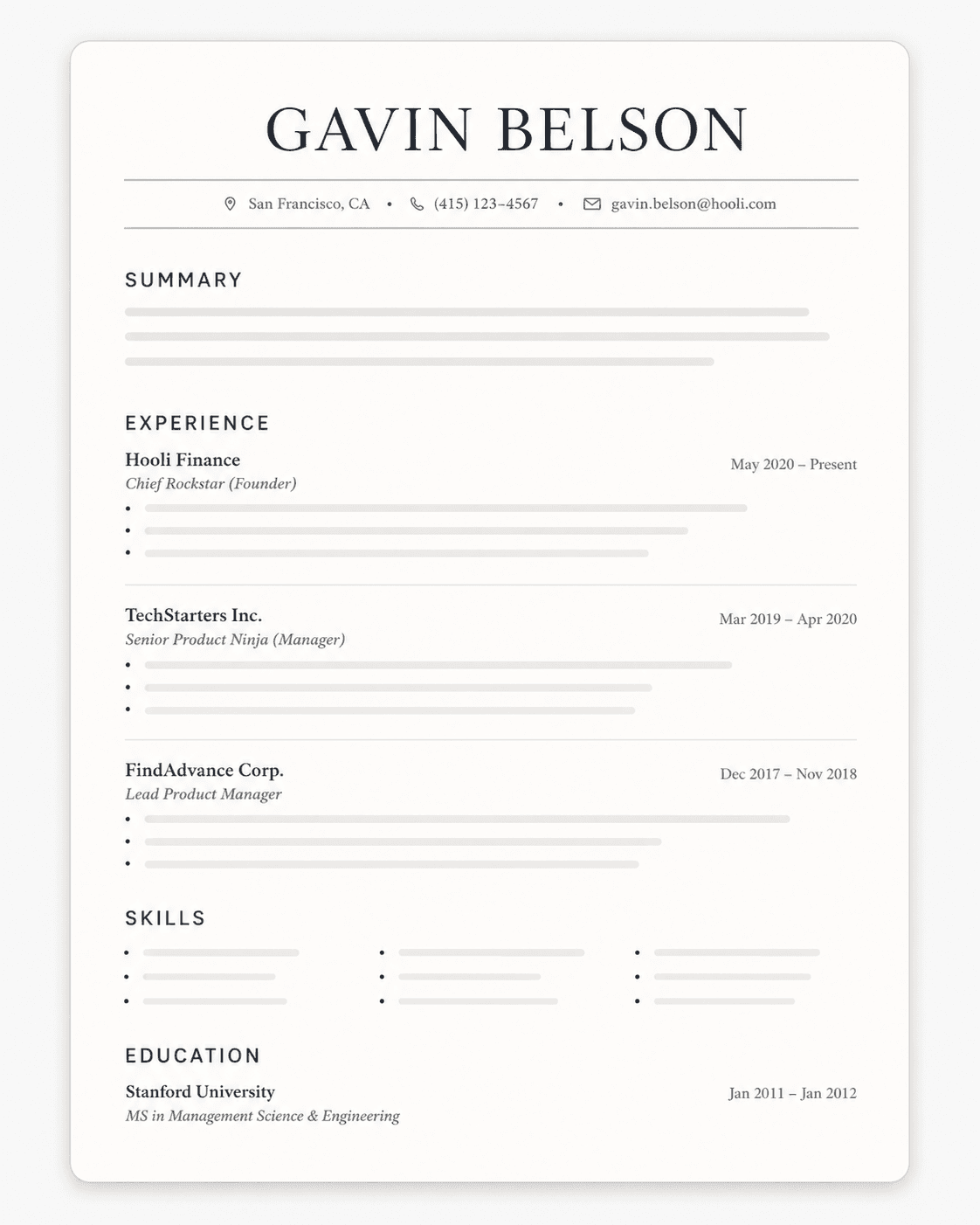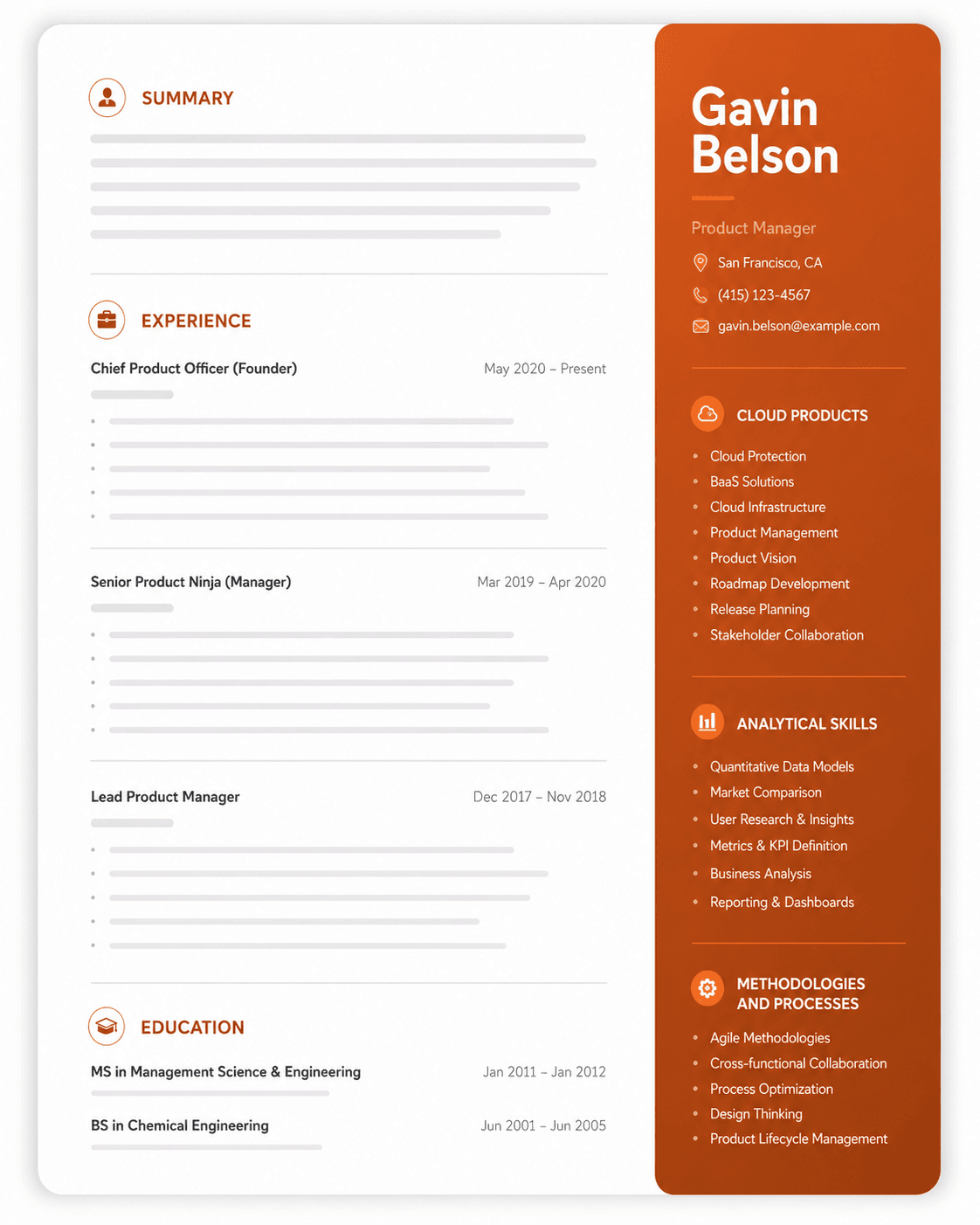
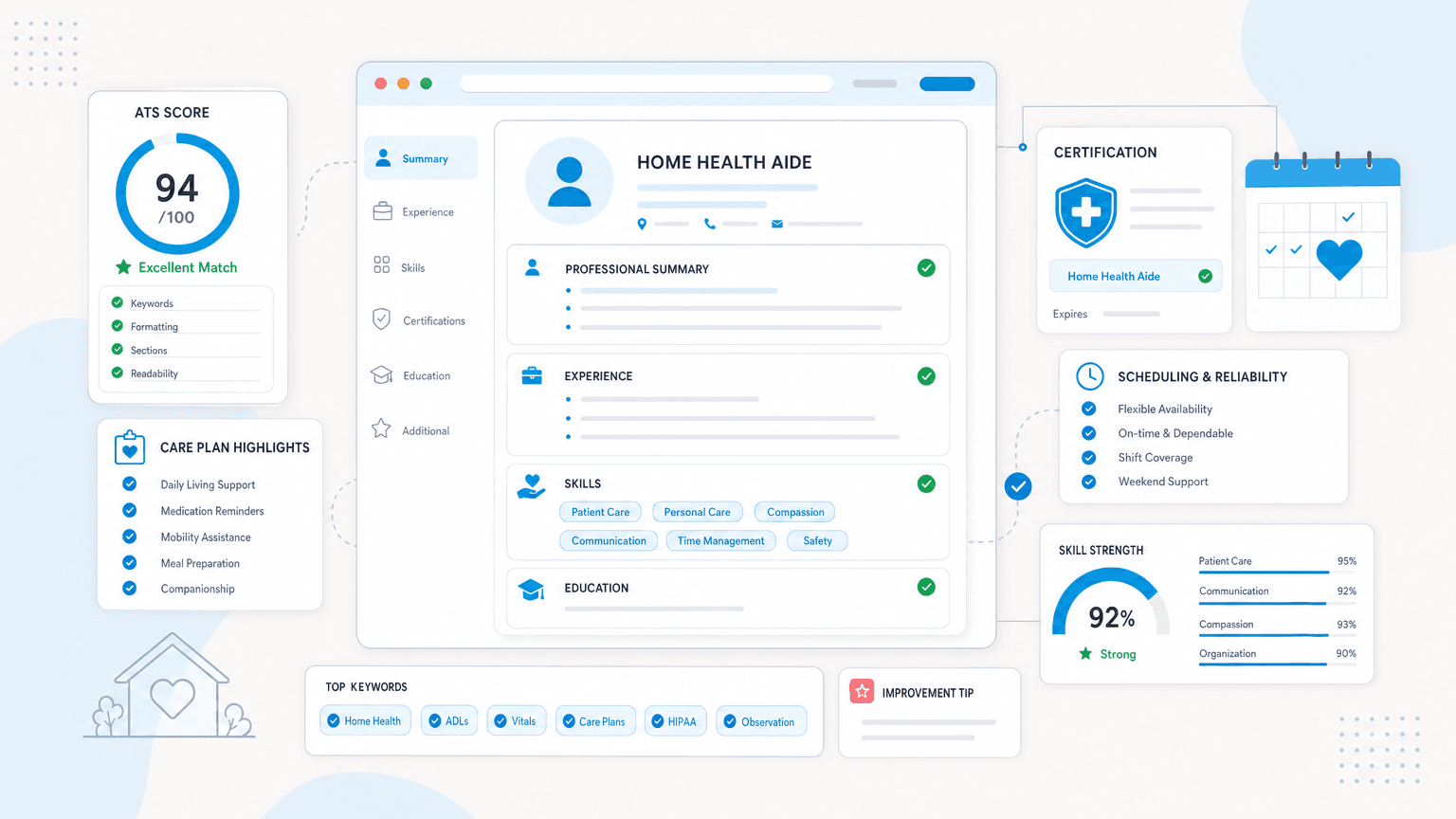
You spend your shifts managing medication schedules, monitoring vitals, coordinating with nurses, and keeping clients safe in their own homes. Your resume, for most HHAs, says "assisted with bathing and meal preparation." That gap is why qualified aides get passed over for roles they are more than ready for.
This guide closes that gap. You will find a setting-by-setting bullet library covering Medicare/Medicaid agencies, private duty, hospice, pediatric care, and HCBS waiver programs, plus guidance on certification formatting, ATS compliance, and the most common mistakes that cost qualified aides interviews. Entry-level candidates and career changers will find coverage specific to their situation.
By the end, you will know how to choose the right format, write a summary that gets past automated screeners, and tailor your resume for the exact role you are applying to. Entry-level candidates will find a certification-forward approach that works even without paid experience.
How to Write a Home Health Aide Resume That Gets Interviews
Your resume needs to do one thing: convince a hiring manager or ATS system that you can handle complex patient needs without constant supervision. If your current resume reads like a job description, this section will show you how to rewrite it into something that actually gets callbacks.
Choose the Right Resume Format
Most HHAs with 2 or more years of experience should use a reverse chronological format: work history listed from most recent to oldest, with a summary at the top. This is what ATS software reads most cleanly, and it shows career progression at a glance.
Use a functional format only if you have a significant gap with no caregiving experience at all. ATS systems often struggle with functional resumes, so chronological is the safer default.
Format basics for ATS compatibility:
- Standard fonts: Calibri, Arial, or Times New Roman at 10-12pt
- No tables, text boxes, headers/footers, or graphics
- Save as .docx or PDF (check the job posting for the preferred format)
- Margins between 0.5 and 1 inch
Write a Targeted Professional Summary or Objective
A summary is for candidates with HHA experience. An objective is for career changers or those with no formal HHA employment history. Most people reading this should write a summary.
The biggest mistake HHAs make here is writing something vague that could apply to anyone in any care field.
A weak summary looks like this:
"Compassionate and dedicated home health aide seeking to provide excellent patient care."
A stronger one looks like this:
"Certified Home Health Aide with 3 years of Medicare-funded agency experience supporting clients with Alzheimer's, post-surgical recovery, and mobility limitations. Maintained 100% care plan documentation compliance across a caseload of 8 clients and received zero incident reports in 18 months. CPR/First Aid and BLS Provider certified through the American Heart Association."
Your summary should name your certification, your care specialties, and at least one concrete result. Three to four sentences is enough.
Build a Skills Section That Speaks to Hiring Managers
Group your skills by category so a hiring manager can scan them in seconds. Use the exact terminology from the job posting whenever it matches your real experience. ATS systems match keywords, and "medication reminders" is not the same as "medication administration" in a keyword search.
- Clinical/Care: ADL assistance, vital signs monitoring, medication administration and reminders, wound care (certified), infection control, mobility support, patient transfers
- Compliance and Documentation: HIPAA compliance, care plan management, Medicare/Medicaid documentation, incident reporting
- Technology: EHR software (Cerner, Epic, Kinnser), mobile health apps
Soft Skills: patient advocacy, family communication, reliability (woven into your experience bullets, not listed here)
Do not list soft skills as standalone items. They mean nothing on their own. Show them in your bullets instead.
List Your Certifications and Training
Certifications belong in their own section, not buried in your work history. Medicare and Medicaid-funded agencies are required by federal law to provide a minimum of 75 hours of training (your state may require more), so if you have that documentation, make sure it is visible.
Format each certification on its own line:
- HHA Certificate | [Your State Department of Health] | Exp. MM/YYYY
- CPR/First Aid | American Heart Association | Exp. MM/YYYY
- BLS for Healthcare Providers | American Heart Association | Exp. MM/YYYY
- Dementia Care Training | [Issuing Organization] | Completed MM/YYYY
- Hospice and Palliative Care Certificate | [Issuing Organization] | Exp. MM/YYYY
If you hold a CNA, list it first. It outranks the HHA certificate in most employers' eyes.
Write Achievement-Focused Experience Bullets
This is where most HHA resumes fall apart. Listing duties ("Assisted clients with bathing and dressing") tells a hiring manager nothing about the quality of your work. Achievement-focused bullets follow this structure:
[Action verb] + [specific task or scope] + [measurable result or context]
Below is a bullet library organized by HHA setting. Find the ones that match your experience, adjust the details to reflect your actual work, and use them as a starting point.
Home Health Agency (Medicare/Medicaid)
- Documented daily care notes for a caseload of 6 Medicare clients using Kinnser EHR, maintaining zero documentation errors over a 12-month review period.
- Coordinated with supervising RN to flag early signs of infection in two post-surgical clients, contributing to same-day treatment and avoiding hospital readmission.
Private Duty
- Provided consistent in-home care for a single long-term client with Parkinson's disease over 2 years, collaborating weekly with the client's family to adjust routines as needs progressed.
- Managed flexible 12-hour shift coverage for a family of three care recipients, maintaining client retention through consistent scheduling and proactive communication.
Hospice/Palliative
- Assisted end-of-life clients with dignity-centered ADL support including bathing, repositioning, and oral care, following comfort-focused care plans developed by the hospice team.
- Supported family members of three hospice clients through active listening and coordination with social workers, reducing family-reported distress during home visits.
Pediatric HHA
- Administered enteral nutrition via feeding tube for a pediatric client with a neurological condition, following physician protocols and documenting each feeding in the electronic care record.
- Communicated daily updates to parents regarding a child client's respiratory therapy and nebulizer treatments, reinforcing at-home techniques as directed by the care team.
Medicaid Waiver (HCBS)
- Completed Medicaid waiver documentation for community-based services within required 24-hour submission windows, maintaining full compliance across a quarterly audit.
- Collaborated with a case manager to support a client's transition from facility-based care to independent living, coordinating transportation, meal planning, and community activity scheduling.
Organize Your Work History the Right Way
List each job with: employer name, your job title, city and state, and dates (month and year). If you have a gap, label caregiving for a family member as "Private Caregiver" with dates and a bullet or two describing what you did.
If you moved from PCA to HHA at the same agency, use one employer header and show both titles with separate date ranges underneath. This shows progression rather than hiding early roles.
Multiple short-term cases through a staffing agency count as one employer entry. List the agency name, note "various client placements" in the description, and include a bullet that captures the range of your experience.
Home Health Aide Resume Examples
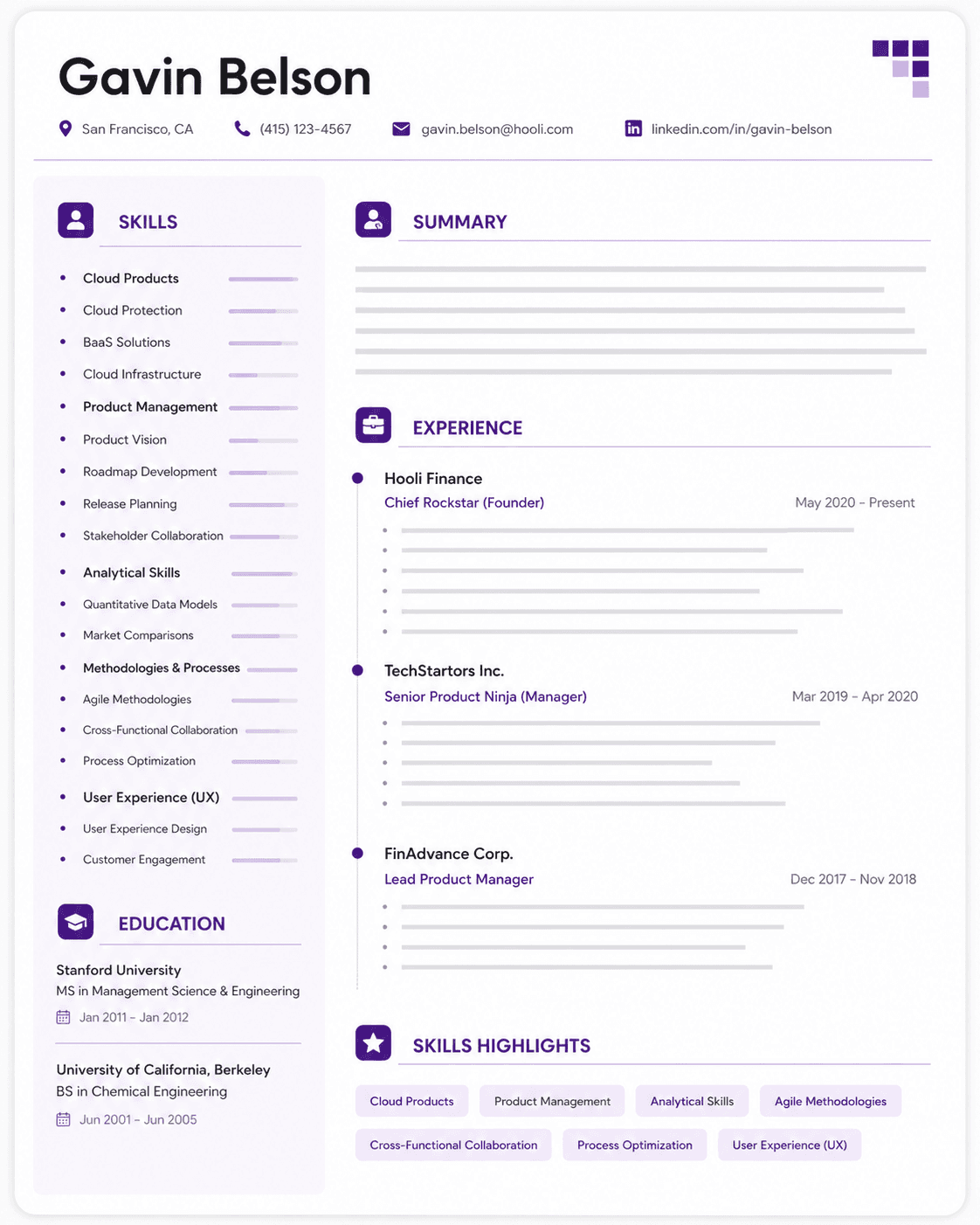
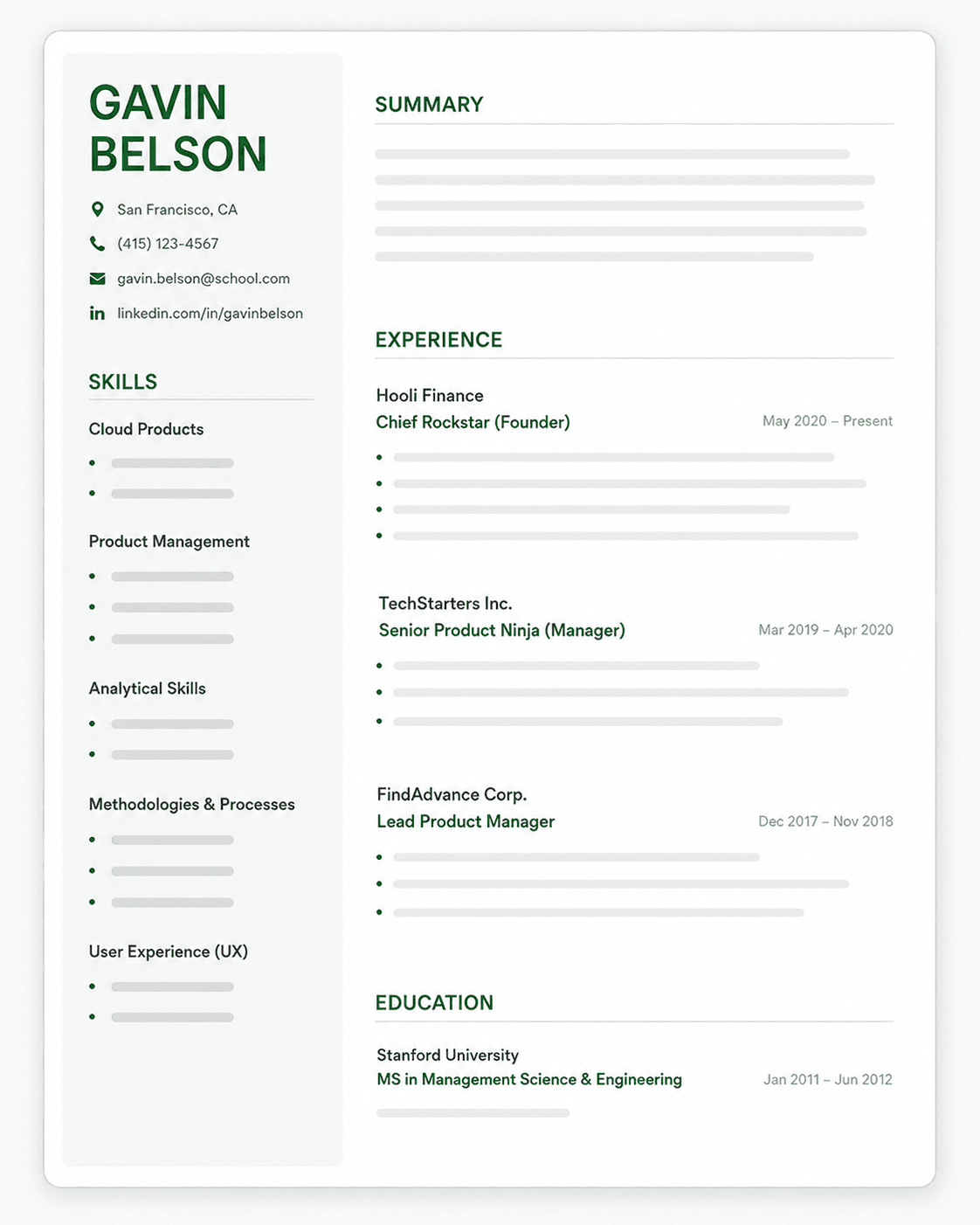
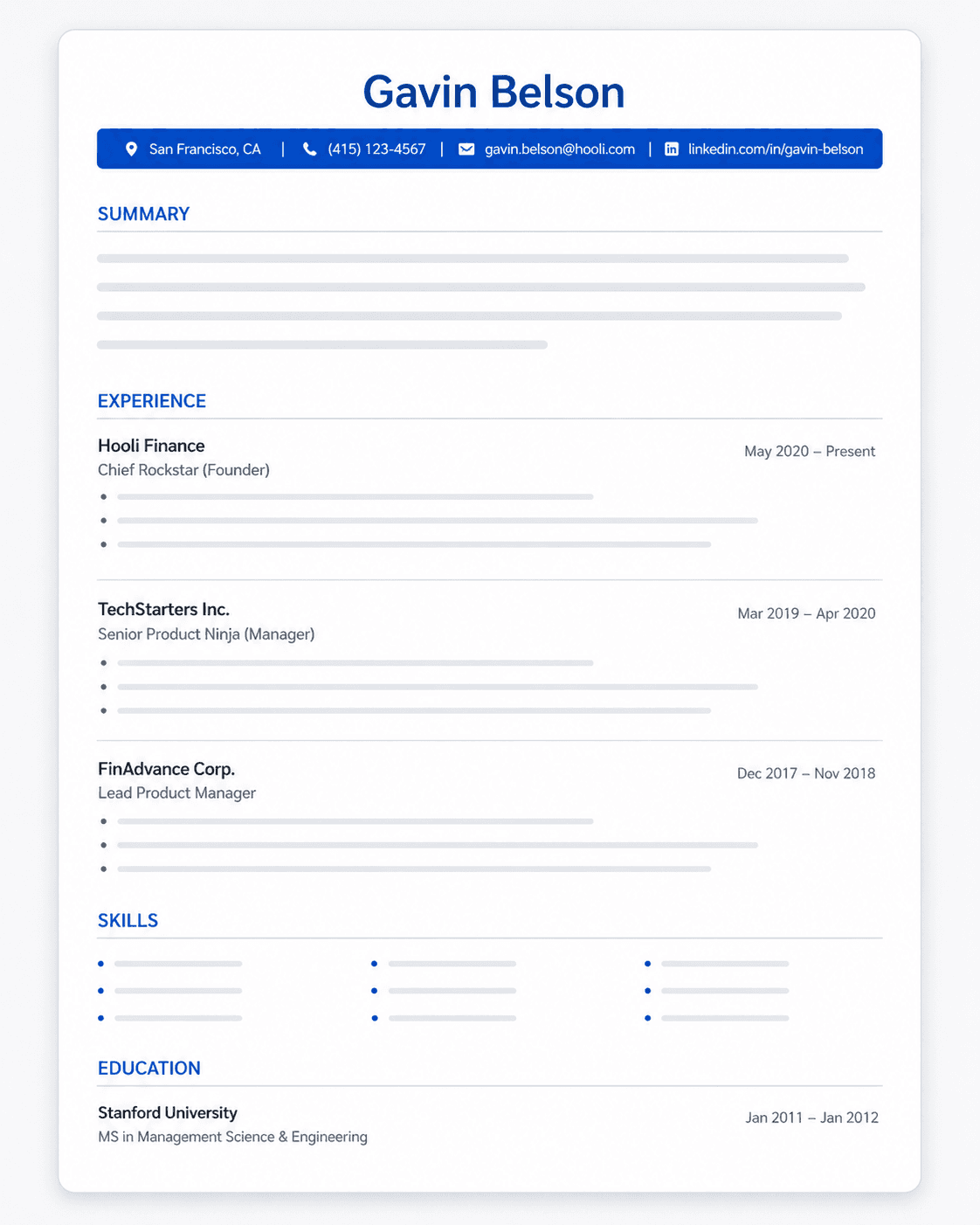
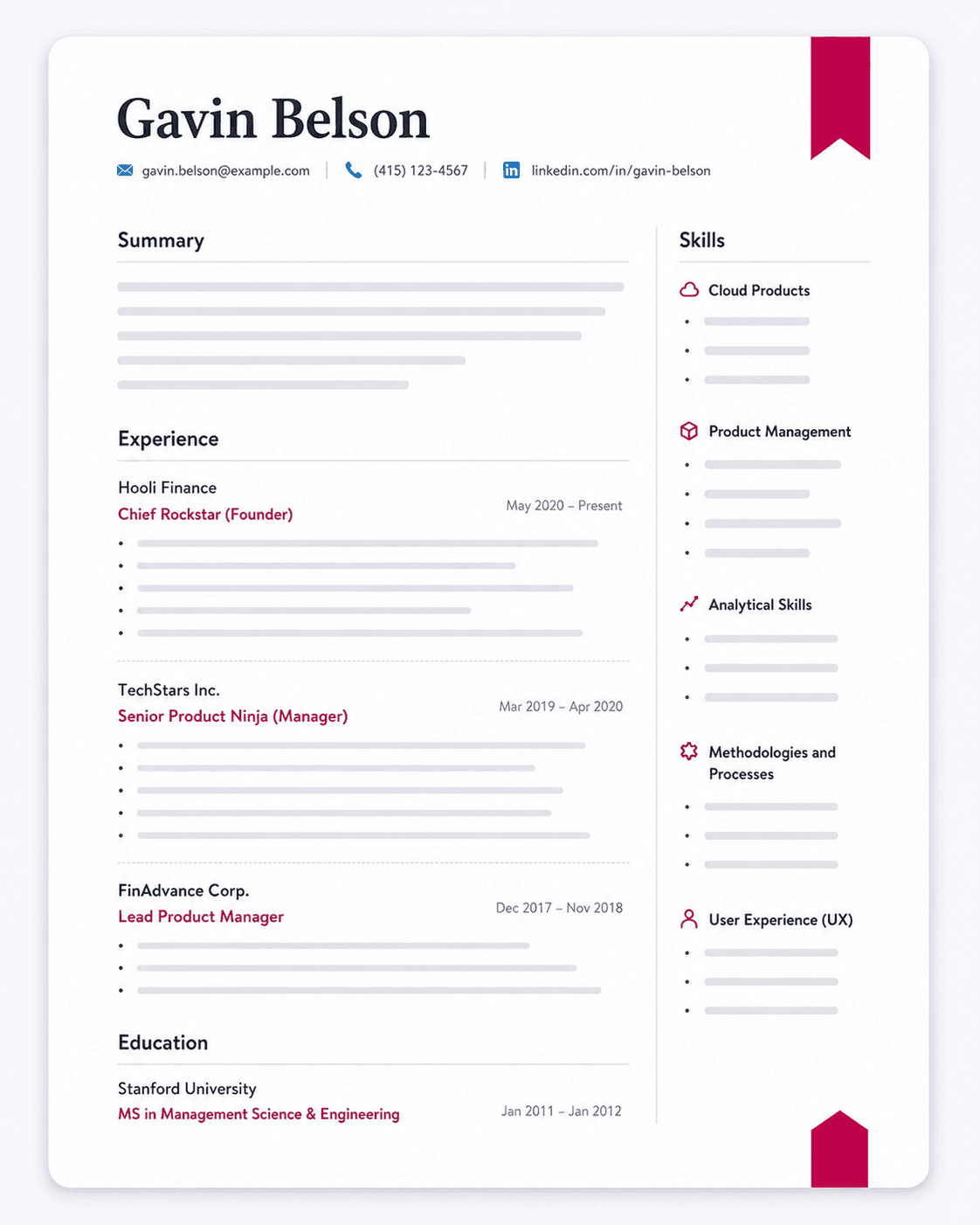
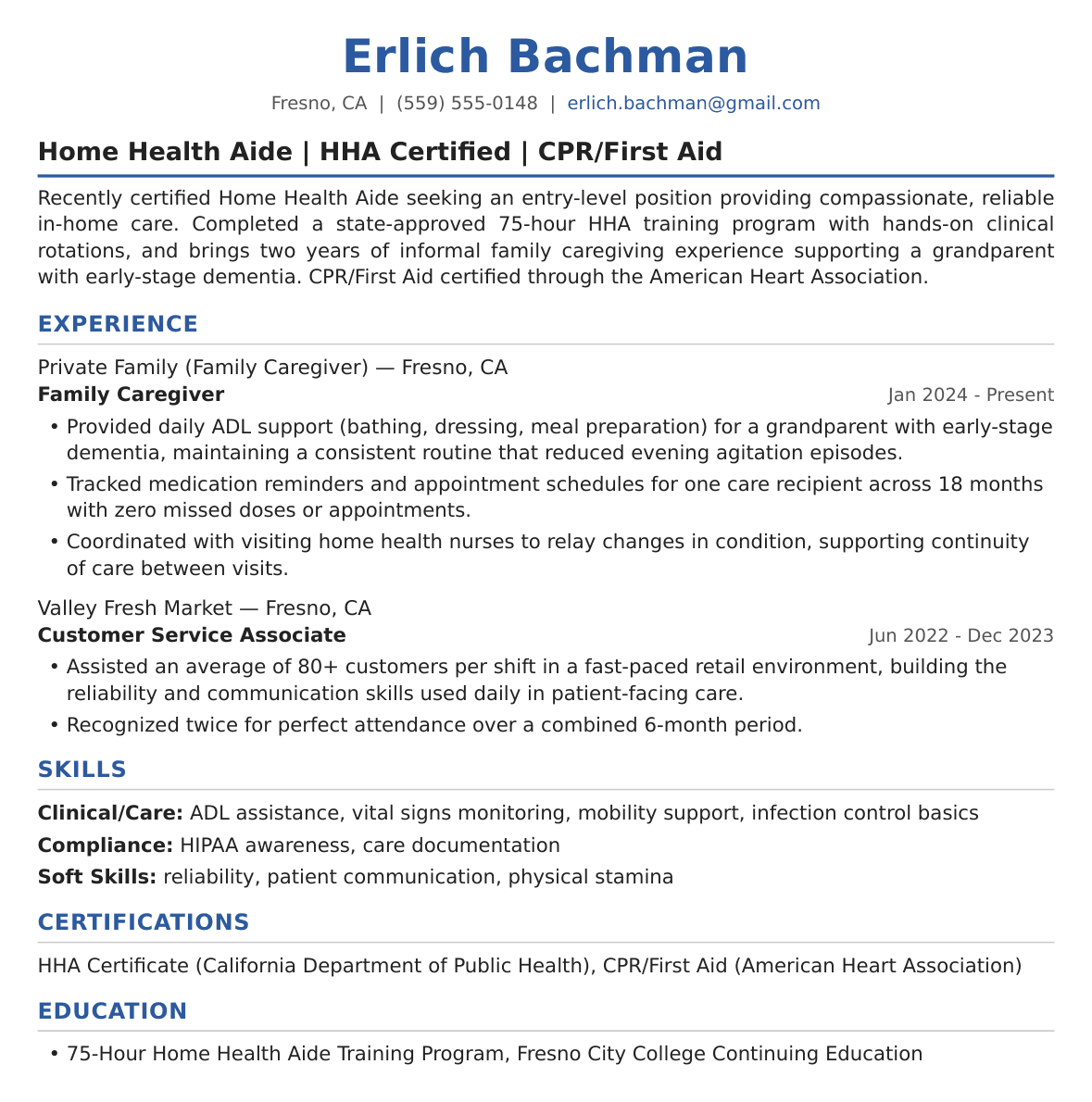
Seeing a finished resume is often more useful than reading advice about one. Below are three examples organized by experience level. Each shows a different structure, tone, and set of priorities based on where you are in your HHA career.
Entry-Level Home Health Aide Resume
Mid-Level Home Health Aide Resume
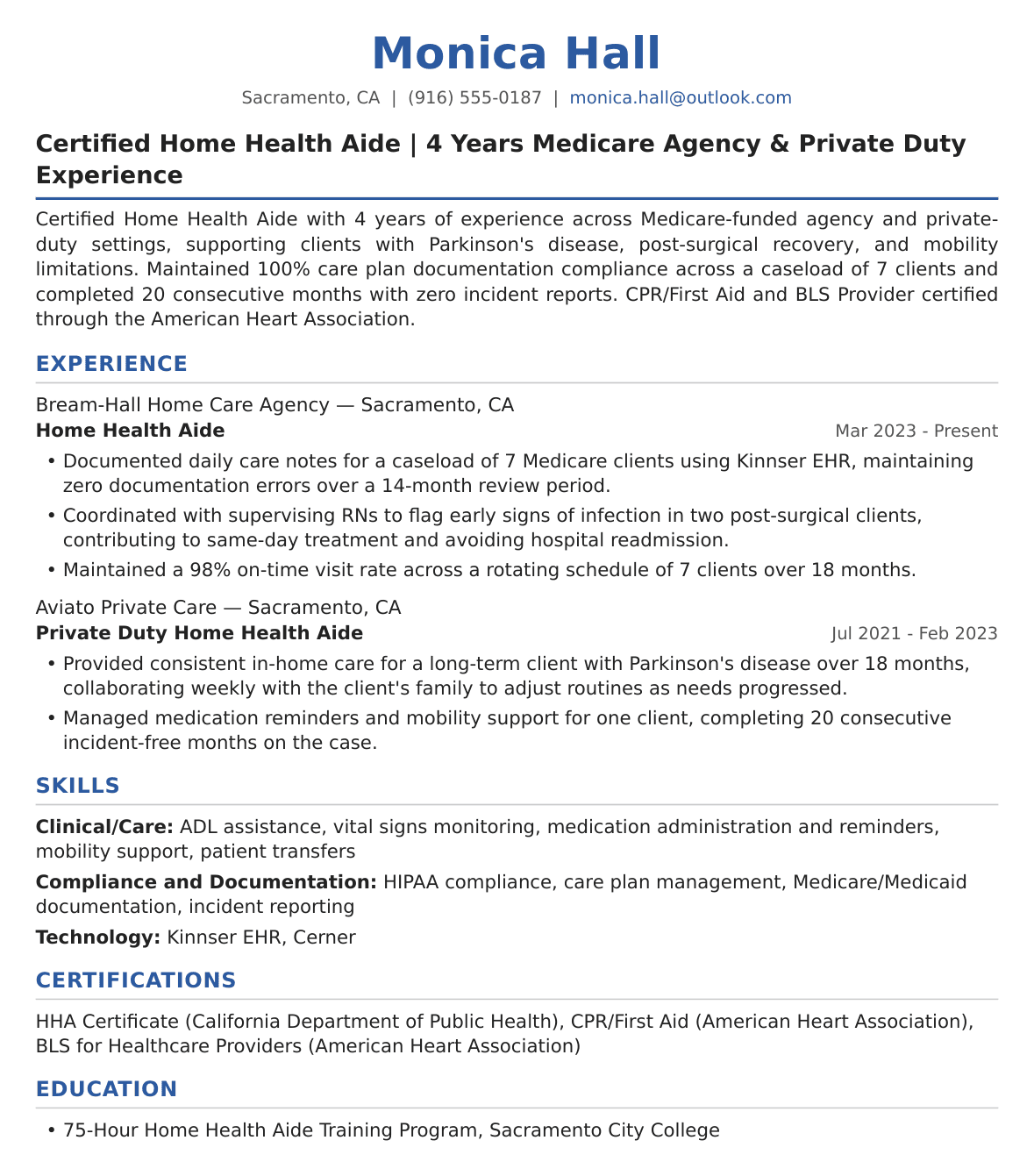
Experienced Home Health Aide Resume
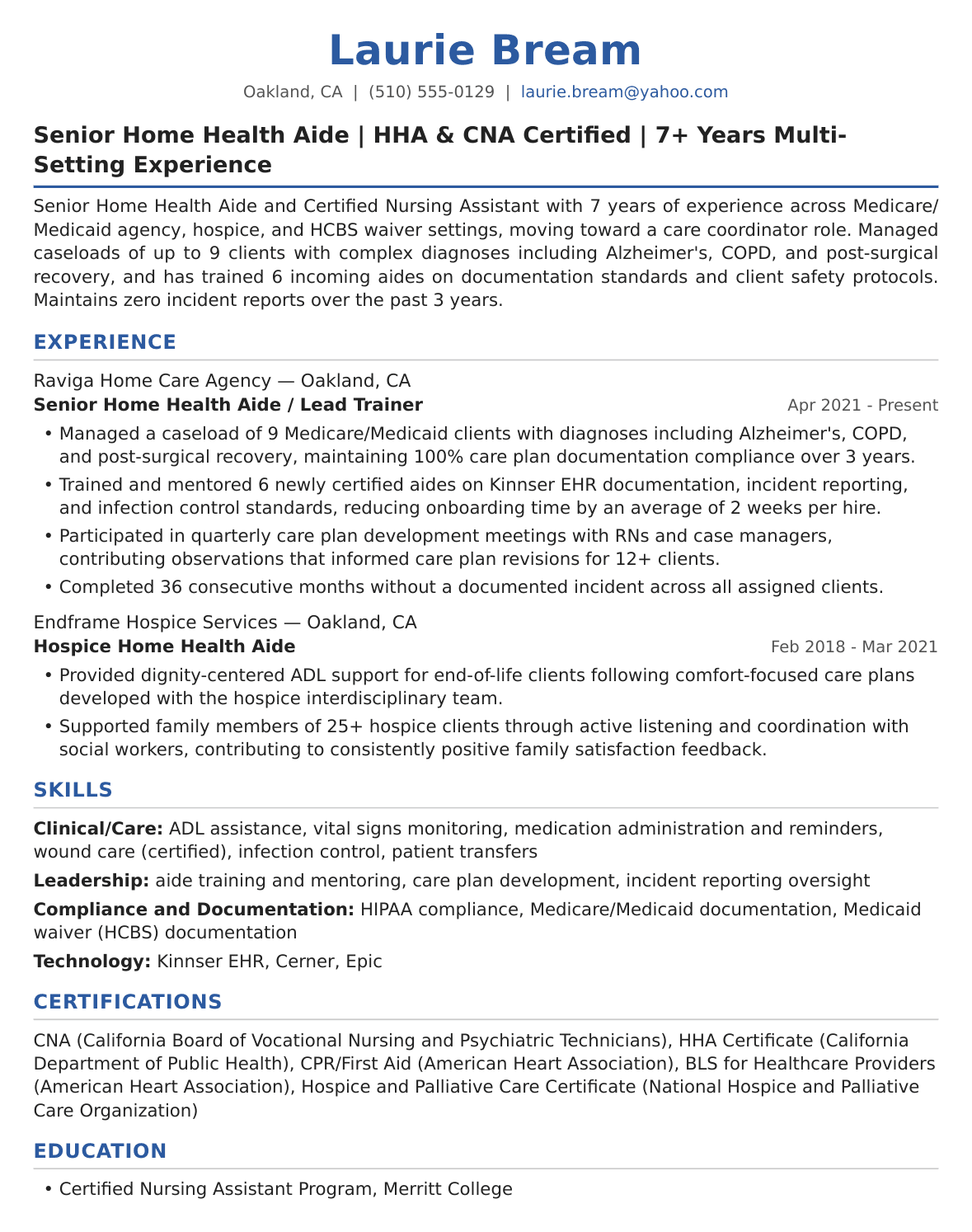
Home Health Aide Resume Keywords
Agencies scan for certification, ADL language, and specialized care experience. Use the exact terms below where they match your training and the client populations you have served.
| Category | Keywords |
|---|---|
| Certifications | HHA certification, CPR/First aid, State registry listing |
| Patient care | Activities of daily living (ADLs), Personal care assistance, Mobility assistance and transfers, Hoyer lift operation, Vital signs monitoring, Medication reminders, Meal preparation, Fall prevention |
| Specialized care | Dementia and Alzheimer's care, Hospice support, Companionship care |
| Documentation & compliance | Care plan documentation, Electronic visit verification (EVV), HIPAA compliance, Infection control, Family communication |
When the Job Ends Because the Client Did: Gaps and References in Home Care
Home care has a work-history problem no office job has: assignments end when a client passes away, moves to a facility, or loses funding. None of that is your performance, but on paper it looks like short stints and unexplained gaps. And privacy rules mean you can't name the client or family who could vouch for you.
Describe clients by case, never by identity: "Private-duty aide, full-time hospice client, 18 months" or "Live-in aide, post-stroke client, 2 years." Where a stint ended for client reasons, say so neutrally in the entry: "assignment ended: client transitioned to facility care." One plain clause converts a suspicious gap into an ordinary fact of the field.
Solve references before you need them. Families scatter after a loss and shouldn't be your contact plan. Build your bench from professionals who saw your work: agency care coordinators, supervising RNs, hospice case managers. Ask at the end of each assignment, while your name is fresh, and keep their direct numbers. Two clinical supervisors who'll confirm your reliability outweigh any reference you can't ethically provide.
Common Home Health Aide Resume Mistakes to Avoid
Listing duties instead of achievements turns your resume into a job description, not a record of your performance. "Assisted patients with daily living activities" tells a hiring manager nothing about how well you did the work. "Maintained 100% medication adherence for 6 assigned clients over 18 months" tells them everything. For each role, ask yourself what changed because you were there, then put a number on it.
Omitting or misformatting certifications is one of the fastest ways to get screened out before a human reads your resume. Always list the certifying body (the American Red Cross, your state health department, the National Association for Home Care and Hospice), the date of completion, and the expiration date. If a cert is up for renewal, note that status explicitly rather than leaving a lapsed date with no context.
ATS-breaking formatting makes your resume invisible to the software most agencies and hospital systems use to screen applications. Tables, columns, text boxes, graphics, and information buried in headers or footers are all skipped or scrambled by applicant tracking systems. Use a single-column layout with standard section headings and plain text throughout.
Sending the same resume to every job signals to recruiters that you did not read the posting. A home care agency emphasizing dementia care and a hospital-based transitional care program are looking for different things, and experienced hiring staff can see a generic submission immediately. Tailoring your summary and top skills to match the specific language in each posting takes about 15 minutes and has a measurable impact on callback rates.
Skipping quantification wastes the data you have already generated on the job. HHA work produces countable results: number of clients on your caseload, medication adherence rates, client satisfaction scores from agency reviews, months or years without a documented incident. If you have those numbers, use them. If you do not have exact figures, a reasonable range is still more useful than a vague description.
Overstating qualifications carries consequences in healthcare that do not apply in most other fields. Listing a certification you are still working toward, or describing clinical tasks that fall outside HHA scope, will be checked during onboarding. Verification failures at that stage typically result in immediate termination and a note in your employment record.
Writing a generic summary squanders the most valuable real estate on your resume. A phrase like "Compassionate caregiver seeking to provide excellent patient-centered care" conveys nothing a hiring manager can act on. Your summary should name your years of experience, your most relevant specialization (Alzheimer's care, pediatric home health, post-surgical support), and one concrete result from your work history.
Tailoring Your Resume for Each HHA Job
Not every home health aide job is the same, and recruiters can tell immediately when a resume was written for a generic "HHA position" rather than theirs specifically. Home care agencies prioritize reliability, documentation accuracy, and compliance with state and payer requirements. Hospital-based home care programs focus on clinical coordination and the ability to work alongside discharge planners. Private duty clients and their families are looking for someone they can trust in the home long-term.
Read the job posting in full once for context, then go back and highlight every requirement that appears more than once. Those repeated terms are the ones the employer weighted heavily, and they are likely built into the ATS filter. Collect five to seven of them, then check your skills section and bullet points against that list. Use the exact word or phrase from the posting. ATS software does not give credit for synonyms. "Vital signs monitoring" and "vital sign checks" are not the same string to a parser.
How AI Resume Builders Can Simplify Your Home Health Aide Resume
Most home health aides know exactly what they do on the job. Communicating that work in the specific language that hiring software and recruiters screen for is a different skill, and one that has nothing to do with how good a caregiver you are. That gap is where an AI resume tool can do practical work.
Platforms like uppl.ai are built for exactly this situation. You upload your existing resume, paste in the job description, and the tool scores your resume against that posting's ATS criteria. From there, it surfaces specific suggestions: a keyword you are missing, a phrase that does not match the posting, a formatting issue that could cause a parser to skip a section. Every suggestion comes with a plain-language explanation of why it matters. You accept or reject each one individually. Nothing changes without your approval, and no content is added that you did not verify first.
The core features that matter for a home health aide job search:
- Real-time ATS scoring. Your score updates as you make edits, so you can see whether a change actually helps before you commit to it.
- Transparent suggestions. Each recommendation includes a "Why this change?" note so you understand the reasoning, not just the output.
- Automatic formatting. The layout is built to pass ATS parsing without requiring you to troubleshoot margins or column structures.
- Structure guidance. The tool flags content ordering issues and applies recruiter best practices across your resume sections.
- Preference memory. Your formatting and reordering choices carry over across sessions, so you are not starting from scratch each time you apply somewhere new.
Free plan includes 200 ATS scans per month, three tailored resumes with matching cover letters, and unlimited downloads. No credit card required. Additional resumes run $0.50 to $1.00 each with no subscription.