Every hygienist applying alongside you holds the same license and lists the same three procedures: scaling and root planing, periodontal charting, prophylaxis. Your board results and rotation hours prove you're eligible. They don't prove you're the candidate worth calling.
This guide shows new grads how to close that gap: a summary formula that leads with license and specialty instead of personality traits, the correct order for degree, license, and certifications, and a skills section broken into clinical, software, and communication categories that ATS filters and office managers can both scan in seconds.
You'll also learn to write EARS-style bullets with real numbers, turn rotation hours and non-dental jobs into credible experience entries, and adjust your resume for general, pediatric, periodontal, or temp settings. The goal is a one-page resume that survives the ATS scan and gives a hiring dentist a reason to call before an experienced hygienist's resume does.
What Makes a Dental Hygienist Resume Effective?
Screeners check three things in order, and most new grads only prepare for one. First is license status. Your RDH number, state, and expiration date need to be correct and visible. A missing or unverifiable credential can cause ATS filters and hiring managers to move on before reading further.
Second is clinical specificity. Every hygienist applying alongside you will list scaling and root planing, periodontal charting, and prophylaxis. Those tasks describe the license, not you. What separates callbacks from silence is detail: patient volume per day, adjunctive procedures performed, local anesthesia certifications, sealant or fluoride varnish counts, any specialty exposure like perio or pediatric caseloads.
Third is software fluency. Practices run on specific platforms, and naming yours (Dentrix, Eaglesoft, Open Dental) signals a shorter training curve. If you trained on a system during clinical rotations, say which one.
Soft skills like chairside manner and patient education come last. A resume that opens with "compassionate and detail-oriented hygienist" before proving license and clinical scope reads as generic.
The core tension for a new grad: the license makes you eligible, but it does not make you memorable. Hundreds of other candidates hold the same credential and list the same three procedures. Numbers, named tools, and named certifications are what turn a qualified resume into an interviewed one.
How to Write a Dental Hygienist Resume Step by Step
Write a Summary That Leads With Your License and Specialty
Your summary is the first thing an office manager reads, and it has about two seconds to prove you belong on the "call for interview" pile. It needs three things: your license status, the setting or specialty you're targeting, and one clinical or outcome detail that makes you memorable. Skip the personality traits. A hiring dentist doesn't need to know you're "passionate" before knowing you're licensed.
A weak summary looks like this:
"Hardworking and compassionate dental hygienist looking for a position where I can use my skills and grow with a team."
A stronger one looks like this:
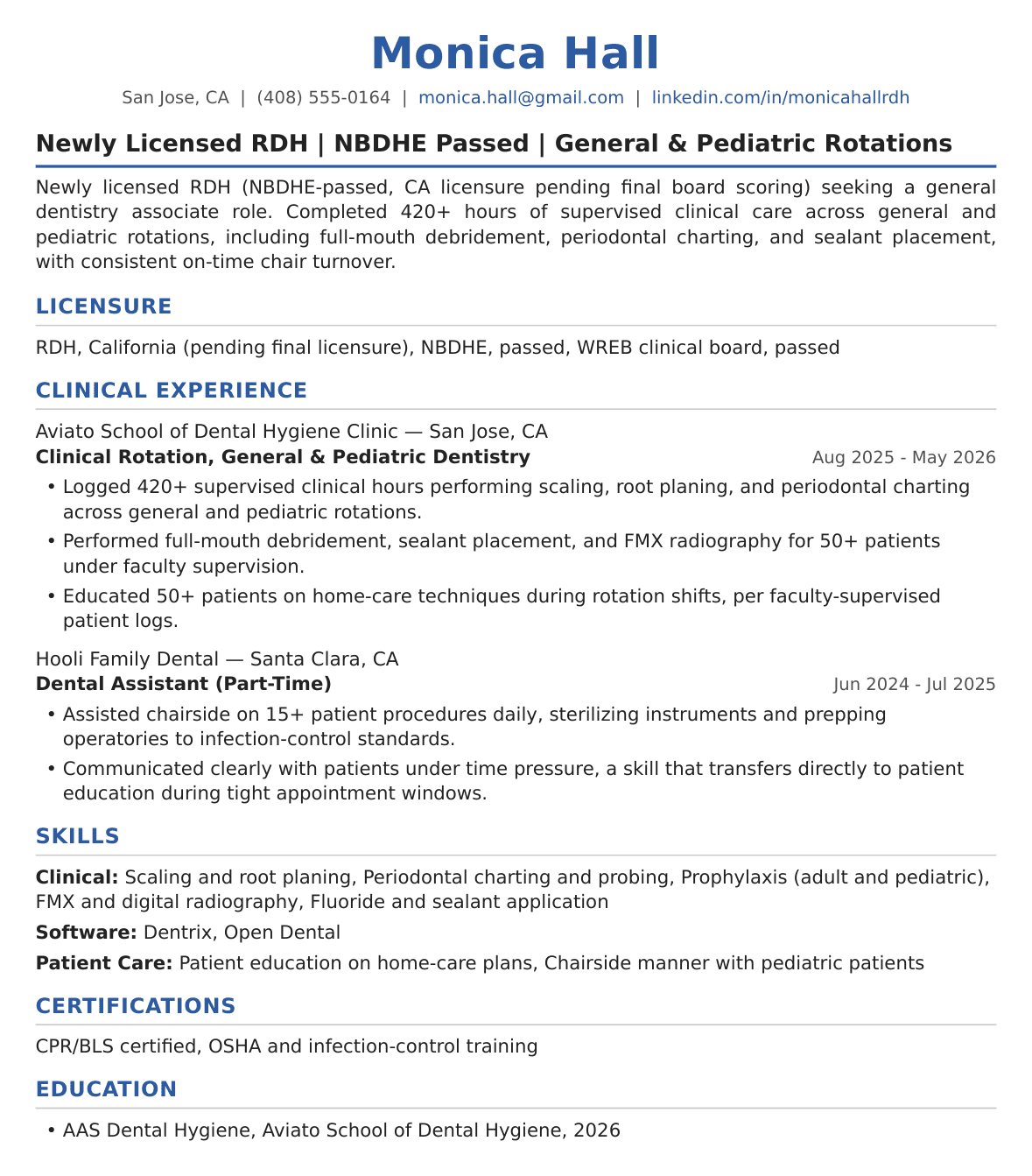
"Licensed RDH (NBDHE-passed, [state] licensure) with clinical rotation experience in general and pediatric settings. Completed 400+ hours of supervised patient care, including full-mouth debridement, periodontal charting, and sealant placement, with consistent on-time chair turnover."
If you're a new grad and want something even shorter, an objective-style line still works, as long as it stays brief. Full-paragraph objectives read as outdated even for entry-level candidates, so treat this as optional, not mandatory.
Optional entry-level objective (one line): "Newly licensed RDH seeking a general dentistry associate role to apply clinical rotation training in periodontal therapy and patient education."
Get Your Credentials Right: RDH, Degrees, and Certifications
List credentials in this order: degree first, then license, then specialty certifications, comma-separated with no periods. For example: "AAS Dental Hygiene, RDH, Local Anesthesia Certified."
Here's a mistake almost every new grad makes: treating RDH as if it were your degree. It isn't. RDH is your license status, not your education. Your degree is the AAS or BSDH you earned; RDH is what the state grants you after you pass your boards. Putting "RDH" where your degree should go tells a credentialing-savvy office manager you don't fully understand your own credential structure, which is a bad first impression before you've said a word about your clinical skills.
Under your degree and license, list the actual exams and certifications that got you there:
Licensure and exams
- National Board Dental Hygiene Exam (NBDHE), passed
- Regional/state clinical board (CRDTS, WREB, or CDCA-WREB-CITA, whichever you sat for)
- State Jurisprudence Exam, passed
Additional certifications
- CPR/BLS certified
- OSHA and infection-control training
- Local anesthesia certification (if applicable in your state)
- Nitrous oxide monitoring certification
Note that some states license under the title LDH instead of RDH. Use whichever title matches your actual state license, not the more common term.
Build a Skills Section With Real Clinical and Software Detail
A skills section that just says "patient care" and "teamwork" tells the ATS and the hiring manager nothing. Break it into categories so both a scanning bot and a scanning human can find what they need in five seconds.
Clinical Skills
- Scaling and root planing
- Periodontal charting and probing
- Prophylaxis (adult and pediatric)
- FMX and digital radiography
- Fluoride and sealant application
- Local anesthesia administration
- Nitrous oxide monitoring
- Oral cancer screening
Practice-Management Software
- Dentrix
- Eaglesoft
- Open Dental
- Denticon
Patient Care & Communication
- Patient education on periodontal disease progression and home-care plans
- Chairside manner with anxious or pediatric patients
- Age-appropriate communication across pediatric, adult, and geriatric populations
A few rules to keep this section honest and ATS-friendly. Only list software or procedures you've actually performed, not ones you observed during rotations. Mirror the exact wording from the job posting (if they say "digital radiography," don't write "X-rays"). And keep certifications and compliance training in this section too, not buried in a cover letter, since that's where the ATS keyword scan looks first.
Write Achievement-Focused Experience Bullets (Not Just Duties)
Most dental hygienist resumes read like a job description: "performed cleanings, took x-rays, charted periodontal pockets." That tells an employer what the job was, not how well you did it. Use this formula instead: action verb + specific task or method + quantifiable result or scope.
A weak bullet looks like this:
"Performed cleanings and took x-rays for patients."
A stronger one looks like this:
"Completed prophylaxis and FMX imaging for 10-12 patients daily. Maintained a 98% on-time schedule adherence rate."
Here's a library of effective work experience bullets by role type. Adapt the numbers to your own real experience, but this shows the pattern to copy.
New-Grad RDH (clinical rotations)
- Logged 420+ supervised clinical hours performing scaling, root planing, and periodontal charting across general and pediatric rotations.
- Educated 50+ patients on home-care techniques during rotation shifts, per faculty-supervised patient logs.
General Practice RDH
- Managed a full daily schedule of 9-11 patients. Balanced prophylaxis, sealants, and periodontal maintenance visits across each shift.
- Improved patient recall rate by 15% over six months through consistent follow-up scheduling at checkout.
Pediatric Dental Hygienist
- Provided prophylaxis and fluoride treatment for 12-15 pediatric patients daily in a high-volume practice.
- Applied behavior-guidance techniques with anxious pediatric patients. Reduced average chair time by 20%.
Periodontal-Office RDH
- Performed scaling and root planing for 6-8 periodontal maintenance patients daily across quadrant-based treatment plans.
- Maintained 95% patient retention in a specialty periodontal recall system over one year.
Dental Hygiene Educator/Temp RDH
- Supervised 8-10 dental hygiene students per clinic session, reviewing periodontal charting and instrumentation technique.
- Covered temporary assignments across 3 practice locations in a single week. Adapted to Dentrix, Eaglesoft, and Open Dental systems at each site.
If you don't have clean metrics yet, you can still quantify scope: patients seen per day, rooms or chairs covered, or how many procedures you performed in a rotation block. Check practice management software reports or past performance reviews (even from rotations) for numbers you've forgotten you had.
Turn Clinical Rotations and Non-Dental Jobs Into Experience (New Grads)
If you don't have a paid hygienist job yet, your clinical rotations are your experience section, not a footnote. List them like a real job: employer field becomes the school or clinic name, and your bullets should include hours logged, specific procedures performed, and the patient population you served.
Example rotation entry [School Name] Dental Hygiene Clinic, Clinical Rotation
- Logged 400+ supervised patient care hours across general, pediatric, and geriatric populations.
- Performed full-mouth debridement, periodontal charting, sealant placement, and FMX radiography under faculty supervision.
Don't leave prior non-dental jobs off your resume either. Retail, food service, and other customer-facing roles carry real transferable skills for a hygiene role, as long as you translate them into hygiene-relevant language instead of leaving the original job description intact.
Reframing examples
- Retail associate → "Communicated clearly with customers under time pressure. This skill applies directly to patient education during tight appointment windows."
- Server/food service → "Managed multiple tables while following strict food-safety protocols. These habits transfer directly to managing patient flow and infection control in a clinical setting."
- Call center/front desk → "Handled difficult customer interactions calmly. This translates directly to managing anxious patients chairside."
Keep these entries short, two bullets each, and place them below your clinical rotation experience, not above it.
Dental Hygienist Resume Examples
The right format depends on career stage. A hygienist fresh out of an accredited program needs to prove readiness through clinicals; a periodontal specialist with a decade of practice needs to prove scope and leadership. Each tier below uses the same core structure but leads with different content.
Entry-Level Dental Hygienist Resume
This version leans on clinical rotation hours, radiography and sealant competencies, and CPR and infection-control certifications to compensate for limited paid experience. A resume objective (rather than a summary) works better here, naming the license or NBDHE status and the type of practice sought. Transferable skills from externships, chairside assisting, or patient education projects fill out the experience section.
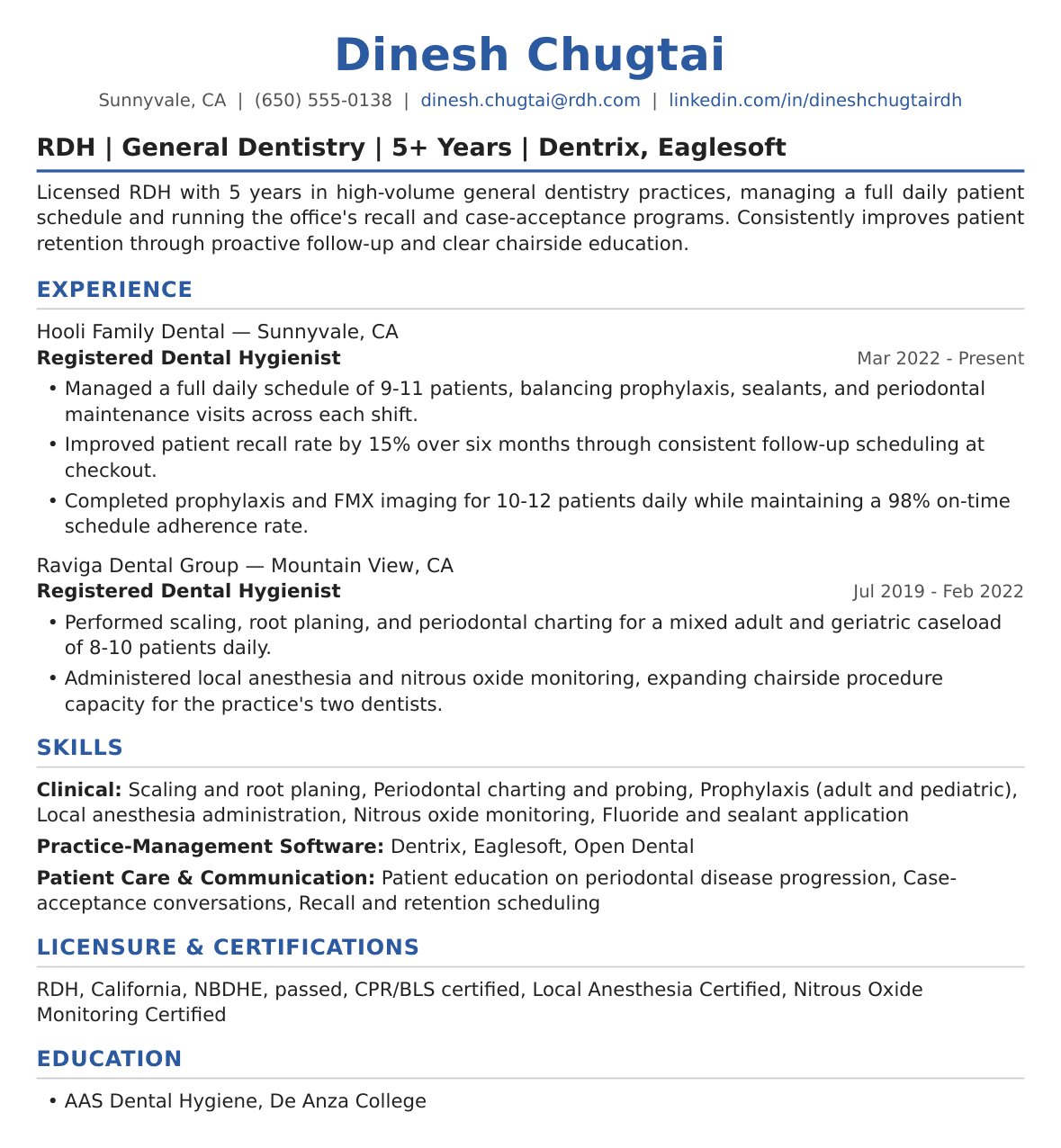
General Practice Dental Hygienist Resume
At three to seven years, the resume shifts to quantified patient volume (daily patient counts, recall rates, case acceptance percentages) and named software like Dentrix, Eaglesoft, or Open Dental. Broad procedure competency across scaling and root planing, periodontal charting, and adjunct services like fluoride varnish or local anesthesia administration signals a hygienist who can run a full schedule independently.
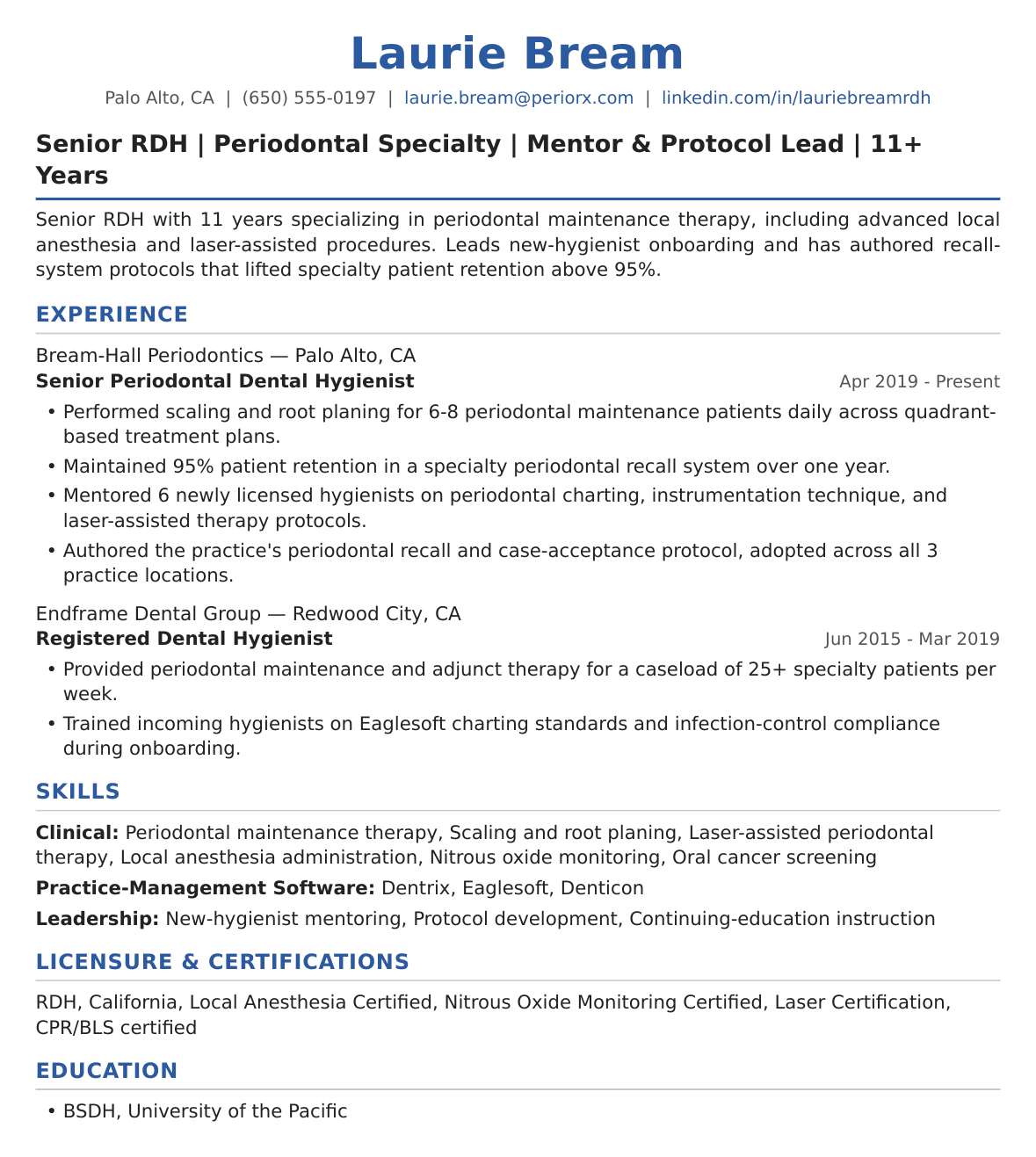
Specialty / Senior Dental Hygienist Resume
Senior resumes narrow into a specialty scope, such as periodontal maintenance in a perio practice or behavior-management techniques in pediatric care, and pair that with mentoring or training responsibilities for newer hygienists or dental assistants. Advanced certifications (local anesthesia, nitrous oxide monitoring, laser certification, or a hygiene faculty credential) belong near the top, alongside any contributions to protocol development or continuing-education instruction.
Dental Hygienist Resume Keywords
Office managers and ATS filters both scan for license status, named procedures, and named software. Only list what you have actually performed or trained on, and match the wording in each posting.
| Category | Keywords |
|---|---|
| Licenses & certifications | RDH, NBDHE (passed), Local anesthesia certification, Nitrous oxide monitoring, CPR/BLS, OSHA and infection-control training |
| Clinical procedures | Scaling and root planing, Periodontal charting, Prophylaxis, Full-mouth debridement, Sealant placement, Fluoride varnish, Digital radiography, Perio maintenance |
| Software & tools | Dentrix, Eaglesoft, Open Dental |
| Patient care & compliance | Patient education, Chairside manner, Treatment planning support, Patient scheduling, HIPAA compliance |
The Working Interview: What Your Resume Is Actually Auditioning For
Dental hiring has a step most industries don't: the working interview. Before an offer, many offices ask you to work a real shift with real patients so they can watch your clinical pace, charting, and chairside manner. Your resume's true job is winning that invitation, so expect it and prepare for it.
Know your rights first. Under federal labor law, if you treat patients, you must be paid for the shift, at an agreed rate, even if you don't get the job. "Unpaid working interview" is illegal, not industry-standard. Confirm pay, rate, and scope in writing when the office proposes the day.
What offices actually score during a working interview: chair turnover time, charting speed and accuracy in their software, how you explain findings to patients, and whether you ask for help when unsure. Your resume can preview all four, which is exactly what the numbers in your experience bullets should do.
Treat a completed working interview as experience, too. If you worked trial days at three offices while job hunting, a "Working interviews: general and pediatric practices, [city], 2026" line under experience is honest and shows demand for you.
Common Dental Hygienist Resume Mistakes to Avoid
Listing Duties Instead of Outcomes
Writing "performed scaling and root planing" or "completed periodontal charting" describes the task. It doesn't show a hiring manager what you delivered. Reframe each bullet through EARS: the experience, what you accomplished, the measurable result, and any problem you solved. "Completed periodontal charting for 12 to 14 patients daily, flagging early perio cases that led to 5 additional SRP referrals per week" shows impact a duty list never will.
Treating RDH as a Degree
RDH is a license, not a credential earned through coursework. Your education section should read Associate of Applied Science in Dental Hygiene, followed by your RDH license and state number, then certifications like local anesthesia or nitrous oxide administration. Listing "RDH" where a degree belongs confuses the credential hierarchy and can read as unfamiliarity with licensure basics.
Using One Generic Resume for Every Practice Type
Sending the same resume to a general practice, a pediatric office, and a periodontal practice signals you haven't researched what each setting actually values. See the customization section below for how to adjust your skills and bullets by practice type.
Skipping Named Software or Tools
If you worked in Dentrix, Eaglesoft, Open Dental, or Denticon during clinical rotations or externships, name it directly. Many offices run resumes through an ATS that scans for these exact terms, and a vague line like "familiar with dental software" will not match the keyword search.
Including a Full Home Address
Listing your full street address is an outdated practice that adds no value and introduces unnecessary bias risk in hiring. Your phone number, professional email, and a LinkedIn profile give practices everything they need to reach you.
Ignoring ATS-Friendly Formatting
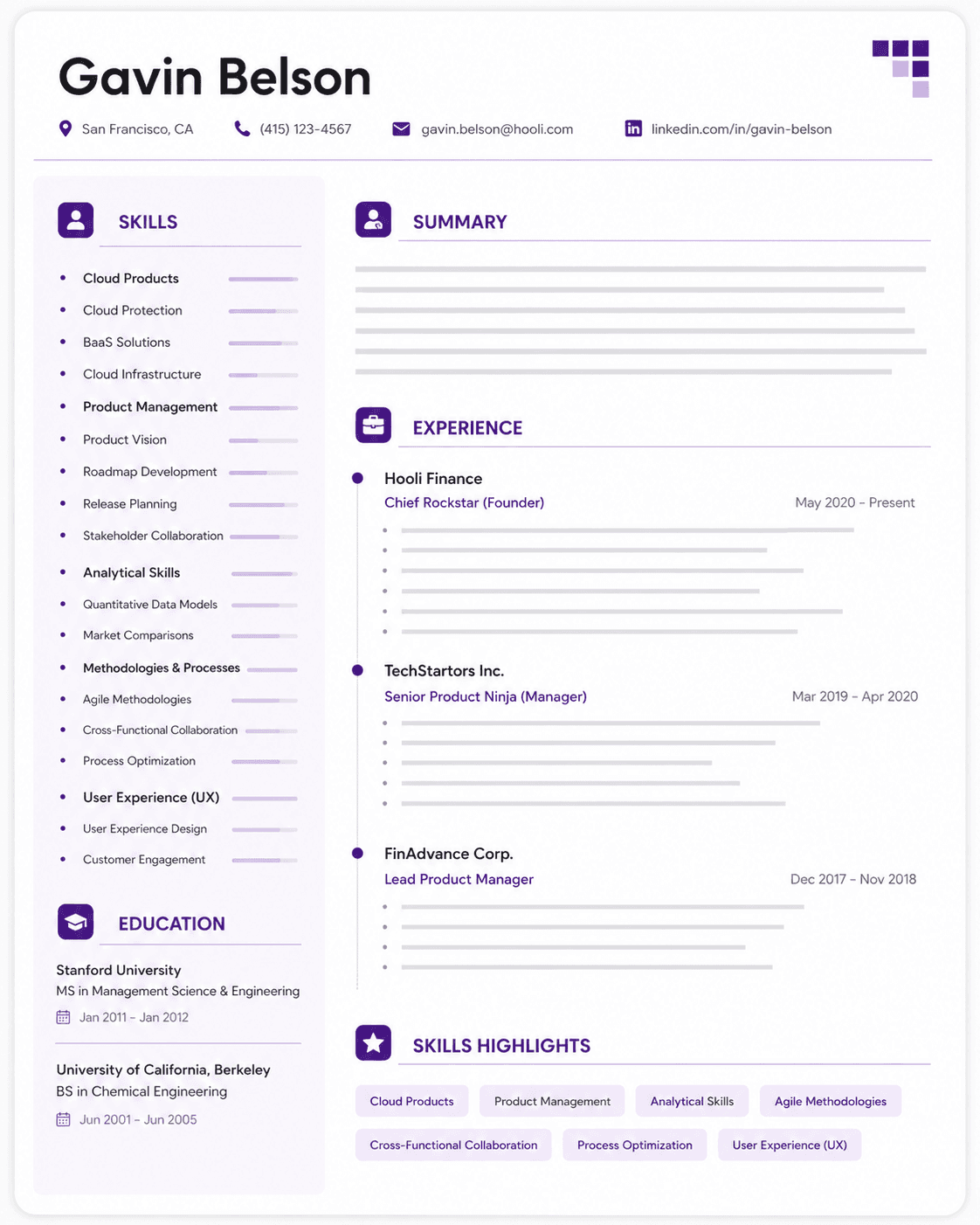
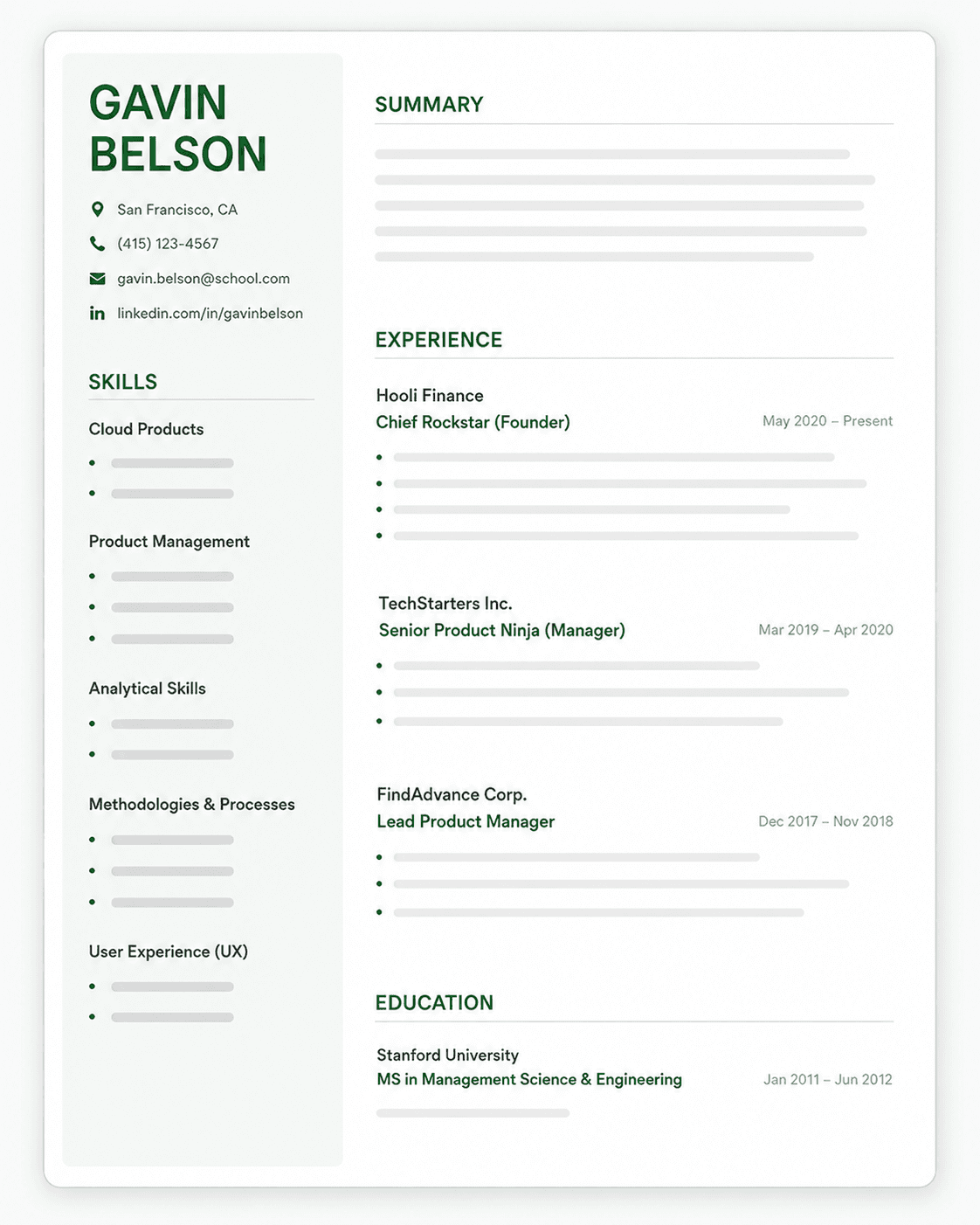
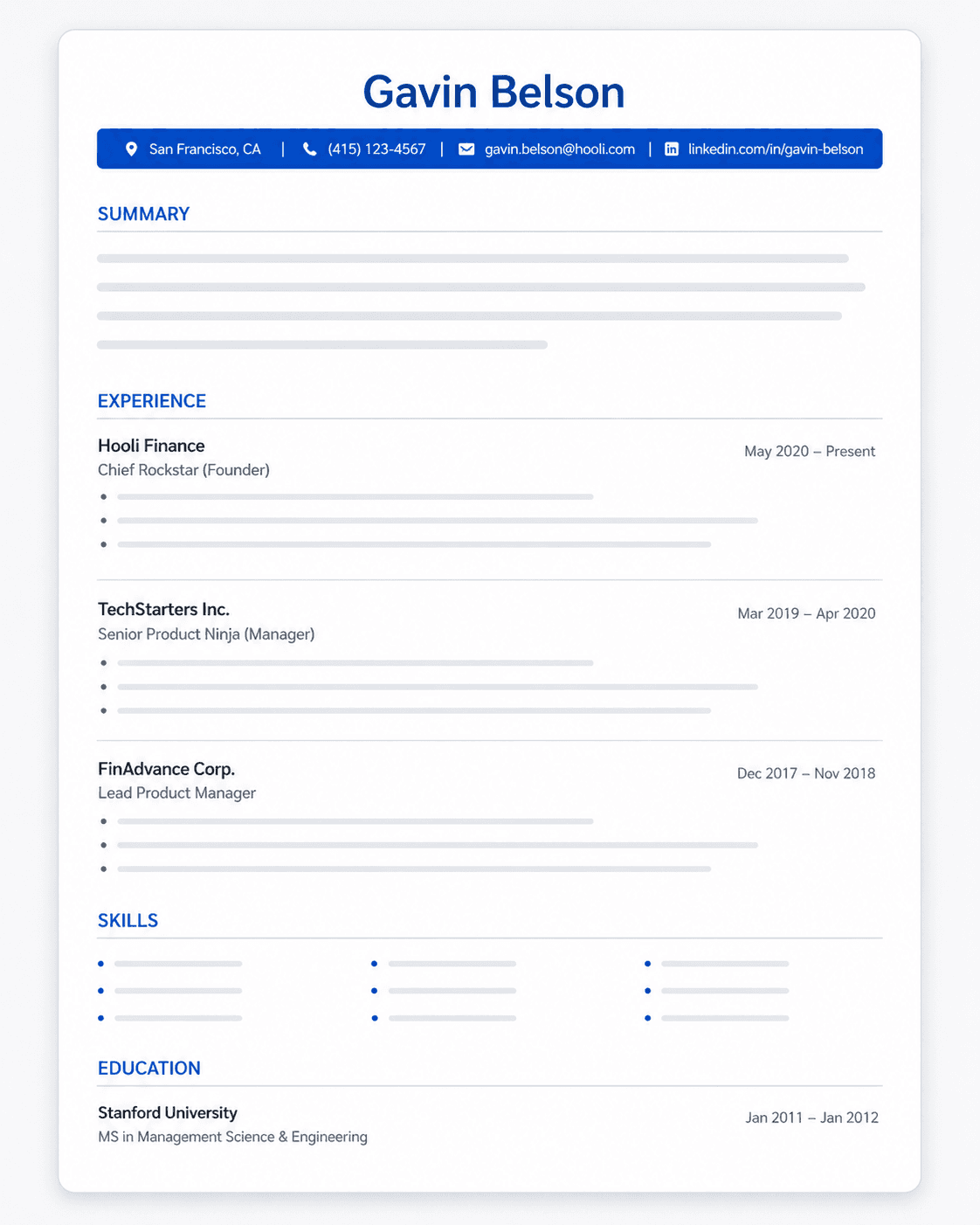
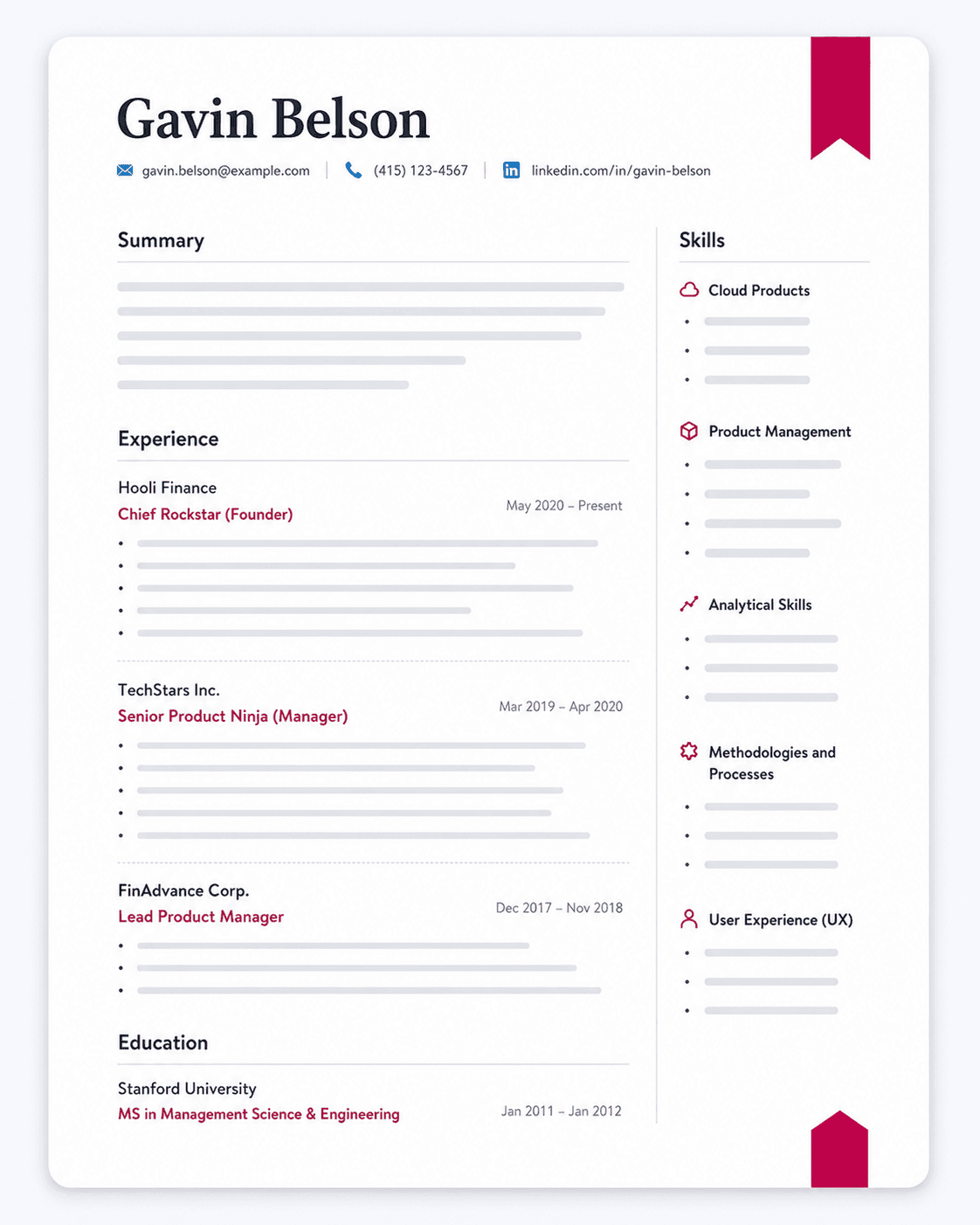
Tables, columns, headshots, and creative header labels like "My Journey" may look polished but often fail to parse correctly in ATS software, scrambling your work history or dropping it entirely. Stick to standard section headers such as Experience, Education, and Licensure, in a single-column format.
Using an Objective That Duplicates the Cover Letter
An objective that runs three sentences explaining your passion for patient care belongs in your cover letter. Lead instead with your license status, NBDHE pass, and clinical scope, such as "Licensed RDH with clinical training in SRP, periodontal charting, and digital radiography," so the hiring manager sees your qualifications in the first line.
Why You Should Customize Your Resume for Each Dental Hygiene Role
A general practice office, a pediatric clinic, a periodontal specialty practice, and a public health or temp staffing role are not reading your resume the same way. General practice hiring managers scan for breadth and chairside efficiency across a full patient roster. Pediatric offices look for behavior-guidance experience and comfort treating anxious kids. Periodontal practices want depth in scaling and root planing and periodontal maintenance therapy. Public health and temp positions value adaptability across different software systems and care settings. A single unmodified resume sent to all four undersells your fit for every one of them.
Spending 15-20 minutes tailoring each application is reasonable given the payoff. Pull the exact procedures, patient populations, and software named in the posting and mirror that language in your bullet points. That small adjustment is often what separates "qualified candidate" from "the hygienist this practice is looking for."
How AI Resume Builders Can Simplify Your Dental Hygienist Resume
A general dentistry practice, a pediatric office, and a periodontal specialty clinic each screen for different keywords and priorities, and rewriting a resume from scratch for every application eats into hours you'd rather spend job hunting; skip the tailoring and most ATS software filters your resume out before a hiring manager ever opens it.
Upplai gives new-grad RDHs a faster, more transparent way to handle that tailoring:
- Real-time ATS scoring: See your ATS and recruiter match score update live as you edit, so you know exactly how well your resume fits a general, pediatric, or periodontal posting before you submit it.
- Transparent suggestions: Every suggested change comes with a plain-language "why this change?" explanation, and you accept or reject each one individually. Nothing gets rewritten or fabricated behind your back.
- Automatic formatting: Clinical skills, licensure, and certifications get formatted into an ATS-friendly layout automatically, so tables or complex designs don't confuse the parser.
- Structure guidance: Built-in recruiter best practices reorder your experience for relevance, strengthen your action verbs, and flag potential bias triggers, so your resume reads well to both software and humans.
- Preference memory: Your formatting, metric, and reordering choices carry over across sessions, which matters when you're customizing versions for multiple practice types in one sitting.
Pricing stays honest: the free plan includes 200 ATS scans a month, 3 tailored resumes, and unlimited downloads, with no credit card required to start. Need more tailored resumes beyond that? Extra ones cost $0.50 to $1.00 each, with no subscription attached.
Ready to tailor your dental hygienist resume?
Get your ATS score and a tailored resume for your next practice application in minutes.