You've done real work: bridal parties booked through word of mouth, a testing day that turned into three referrals, an Instagram grid that actually gets DMs. What you haven't done yet is turn that into a resume that reads as credible to someone who's never seen your face or your feed.
This guide shows you how to write a makeup artist resume that translates client proof into resume language for salon employment, freelance client growth, or your first agency-represented booking. The goal is to sound reliable under real conditions, which is what hiring managers and brides are actually screening for, not to sound more "creative."
Below, you'll find how to structure your summary and skills section, achievement-focused bullet examples by specialty (bridal, film/SFX, editorial, retail-salon), what changes between a freelance and salon/studio resume, common mistakes that quietly cost you interviews, and how to build a resume even if you're just starting to get paid for your work.
What Makes a Strong Makeup Artist Resume?
Hiring managers and brides booking a bridal team aren't hiring "creativity." They're hiring reliability under real conditions: can you show up on time, stay calm when a bride's aunt is crying in the chair, and deliver a photo-ready look under bathroom lighting an hour before the ceremony? A resume that leans on words like "passionate" or "detail-oriented" tells them nothing. One that reads like a service menu ("bridal makeup, airbrush application, lash extensions") tells them what you offer, not whether you're any good at it.
The strongest makeup artist resumes swap the menu for proof: rebooking rates, five-star review counts, the size of the bridal parties you've handled solo, the number of looks you've done under a tight ceremony countdown.
There's also a real fork in how this resume gets evaluated. A salon or studio hiring manager is reading it like any traditional employer: job titles, dates, maybe a license number. A bride, wedding planner, or agency booking a freelancer is reading it more like a portfolio cover page, where your Instagram grid and client reviews often carry as much weight as the document itself.
Certifications complicate this further. Salons commonly require a cosmetology or esthetician license; freelance bridal work often doesn't, legally, though many freelancers get licensed anyway for credibility and liability. A strong resume is honest about which lane you're in and builds around it, rather than copying generic "get certified" advice that doesn't fit every setting.
Get those three things right (proof over adjectives, the freelance-vs-employed distinction, and honest certification framing) and the resume does its job before a single bullet point gets read closely.
How to Write a Makeup Artist Resume That Gets You Hired
Write a Targeted Summary or Objective
Your summary has three jobs in three sentences: name your specialty and setting (bridal, editorial, salon), back it with a proof point, and state your years of experience or training. Skip the adjectives. A hiring manager or bride skimming twenty resumes needs facts, not tone.
A weak summary looks like this:
"Passionate and creative makeup artist with a love for beauty and helping people feel confident. Skilled in a variety of makeup techniques."
A stronger one looks like this:
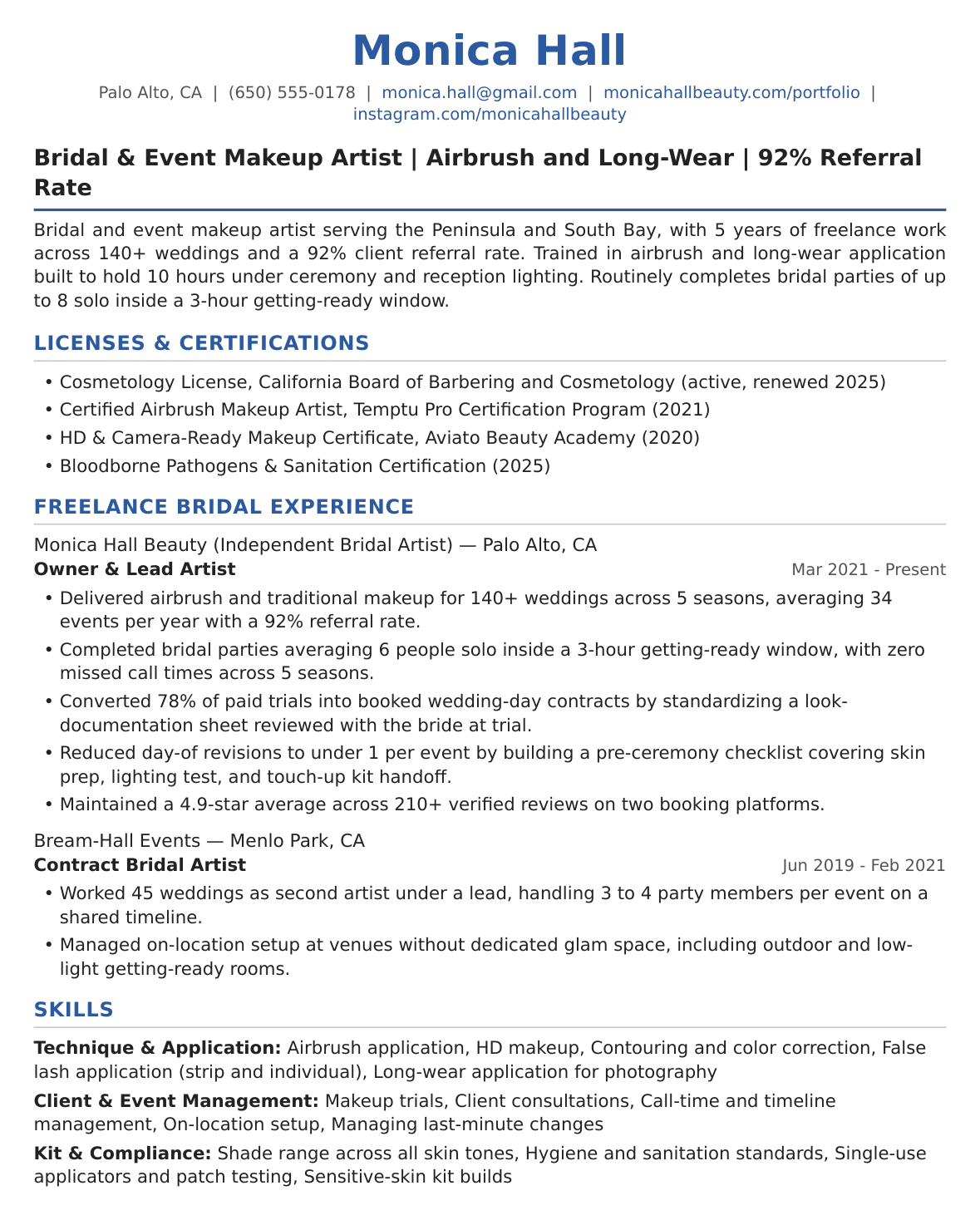
"Bridal and event makeup artist with 2 years of freelance experience and a 90% client rebooking rate. Trained in airbrush and long-wear techniques for 8+ hour wear under ceremony lighting. Managed bridal parties of up to 6 solo."
If you're entry-level or switching careers, an objective works better than a summary because it can point forward instead of proving a track record you don't have yet.
Entry-level / career-changer objective example "Licensed cosmetologist transitioning into bridal makeup artistry, with 40+ practice and paid looks completed for friends, family, and social media clients. Seeking a salon position to build on hands-on airbrush and contouring training completed in 2025."
Build a Skills Section Hiring Managers and Clients Trust
Group your skills instead of dumping them in one list. Categories signal that you understand the craft in layers (technique, product knowledge, client handling), not just as one blurred skill set.
Technique and Application
- Airbrush and HD foundation application
- Contouring and color correction for photography
- False lash application (strip and individual)
Kit, Product, and Brand Knowledge
- Working knowledge of MAC, Charlotte Tilbury, and Danessa Myricks product lines
- Kit sanitation and product rotation for shelf life
- Building client-specific kits for sensitive or acne-prone skin
Client-Facing and Logistics
- On-time call-time management for multi-person bridal parties
- Trial consultations and look documentation
- Managing client nerves and last-minute changes
Specialty and Technical
- SFX prosthetics and wound simulation
- Editorial/runway quick-change techniques
- UV and body paint application
Only list what you can do without supervision. If a posting names specific tools or techniques, use its exact wording rather than a close synonym, since applicant tracking systems and quick client skims both reward the match. Always include sanitation and hygiene practices (brush cleaning protocols, single-use applicators, patch testing) since clients and employers alike treat this as non-negotiable, not optional.
Write Achievement-Focused Experience Bullets (Not a Service Menu)
Most makeup artist resumes fail here. They list services ("bridal makeup, airbrush application, lash extensions") instead of proving results. Use this formula: action verb, plus the specific task or method, plus a quantifiable result or scope.
A weak bullet looks like this:
"Responsible for bridal makeup application and touch-ups."
A stronger one looks like this:
"Led makeup application for bridal parties averaging 5 people per event, completing all looks within a 3-hour window with zero rescheduled call times over 18 months."
Here's a bullet library by sub-specialty. Treat the numbers as illustrative examples of how to frame scope, not claims about a specific real employer.
Bridal
- Delivered airbrush and traditional makeup for 60+ weddings over 18 months, maintaining a 95% client referral rate.
- Ran trial-to-wedding-day consultations for bridal parties of 3-8, reducing day-of revisions by standardizing a pre-event checklist.
Film, TV & SFX
- Applied prosthetic and wound-simulation effects for a 12-episode independent web series, maintaining continuity across multi-day shoots.
- Managed on-set touch-ups for a cast of 6 under a 90-minute call time, with zero missed scene cues.
Editorial and Fashion
- Created 4 distinct looks for a 20-page digital lookbook shoot, coordinating with a photographer and stylist on a same-day turnaround.
- Executed quick-change makeup for a runway show of 15 looks in under 3 minutes per change.
Retail and Salon
- Averaged $180 in add-on product sales per client consultation across a 6-month period.
- Maintained a 4.9-star average across 120+ client reviews on the salon's booking platform.
If you don't have clean metrics yet, quantify scope instead: how many people, how often, how large an event. Forgotten numbers often live in places you haven't checked: repeat client counts in your booking app, review totals on Google or The Knot, average bridal party size, or engagement on your most-viewed Instagram posts.
Showcase Certifications and Licenses the Right Way
Put certifications and licenses near the top of your resume, either in your header or as a dedicated section right under your summary. List the issuing body and your current status (active, in progress, renewed year).
Requirements genuinely vary by setting, so don't overstate them. Salons and studios commonly require a cosmetology or esthetician license to legally perform services on the premises. Freelance and bridal work often doesn't carry the same legal requirement, though many freelancers get licensed anyway for credibility and liability protection. Specialized training, like airbrush certification, SFX workshops, or a bridal-specific certification program, still differentiates you in either lane, even when it isn't legally mandatory.
Let Your Portfolio and Instagram Do Some of the Talking
Put your portfolio and Instagram link in your resume header, next to your email and phone number, so it's the first thing a reviewer can click. Don't bury it in a footer or an "additional information" section.
Only mention follower counts if they're genuinely meaningful, several thousand or more, or tied to visible engagement relevant to the role (a high save rate on bridal content, for example). A follower count in the low hundreds adds nothing and can undercut you.
Instead of linking your full Instagram feed, curate 8 to 12 of your strongest images (varied lighting, varied skin tones, varied occasions) into a single portfolio page or highlight reel. A resume can't build your portfolio for you. It can only point a reviewer to the right 30 seconds of it.
The Local 706 Roster Clock: Why Your Set Days Only Count If They're Logged Right
A film and TV makeup artist's resume doubles as a claim about days worked, and that claim gets audited. IATSE Local 706 gates work on IATSE Basic Agreement productions in Los Angeles County through the Industry Experience Roster, administered by Contract Services (CSATF). Days you genuinely worked but can't document the way the roster asks for don't count, and resume polish won't fix that later.
The standard route is the "60-60-60" rule: 60 non-union days in each of 3 different years within a 5-year period, all worked in Los Angeles County. An off-roster hire gets you there faster, at 30 union days inside a 365-day period with producers signatory to the Basic Agreement, but only if benefit contributions go to the Motion Picture Industry Pension & Health Plans. Contributions to any other trust fund don't qualify. The day-counting rules are where artists lose work they already did: a day has to be paid by check rather than cash, at or above minimum wage, for at least 8 hours, credited to a single craft (you can't split one day between Make-Up Artist and Hair Stylist), and on a traditionally distributed production, so social-media and YouTube-only content doesn't count. Make-Up Artists also have to pass a colorblindness test. Upgrading from Trainee to Journeyperson takes 120 union days in 2 years, 2 years in good standing, and the eight-class, 48-hour CSATF Make-Up Artist Training Series. The 2025 initiation fee for a Film/TV Make-Up Artist is $8,000, half at application and half within 6 months. Full requirements are on Local 706's How to Apply page.
So log every non-union day as you work it, not two years later from memory: production title, shoot dates, craft, employer of record, and hours. Keep the crew lists, call sheets, and W-2s or 1099s that back each one up, because CSATF verifies experience through an Employment Verification Letter from your employer or payroll company, not through your resume. A credits list that matches your paper trail is what turns a claimed day into a countable one.
Outside Los Angeles or outside the Basic Agreement, this gate isn't yours. Local 706 runs separate non-roster categories for commercials, network television, theater, theme parks, and regional productions, generally 30 days with signatory employers inside 12 months, at far lower initiation fees. Bridal, editorial, and salon artists can skip the question entirely and put that effort into certifications and portfolio proof.
Makeup Artist Resume Examples by Specialty
Every specialty within makeup artistry values different proof points. A bridal artist and a film SFX artist can have similar skill levels but need resumes structured around completely different priorities. Here's what each specialty's example resume should emphasize.
Bridal Makeup Artist
A bridal resume leads with the portfolio link, right below the contact info, because clients hire on visuals first. The summary names your market and your rebooking or referral rate in the first line. Experience bullets are organized by event volume rather than employer, since most bridal work is freelance: weddings served per year, average bridal party size, how many looks completed inside the ceremony window, how many trials converted to bookings. The skills section prioritizes consultations, timeline and call-time management, on-location work, and long-wear techniques for photography. Certifications such as airbrush and HD makeup sit in a short block near the top since brides ask about them directly, and a cosmetology or esthetician license goes here too when you hold one.
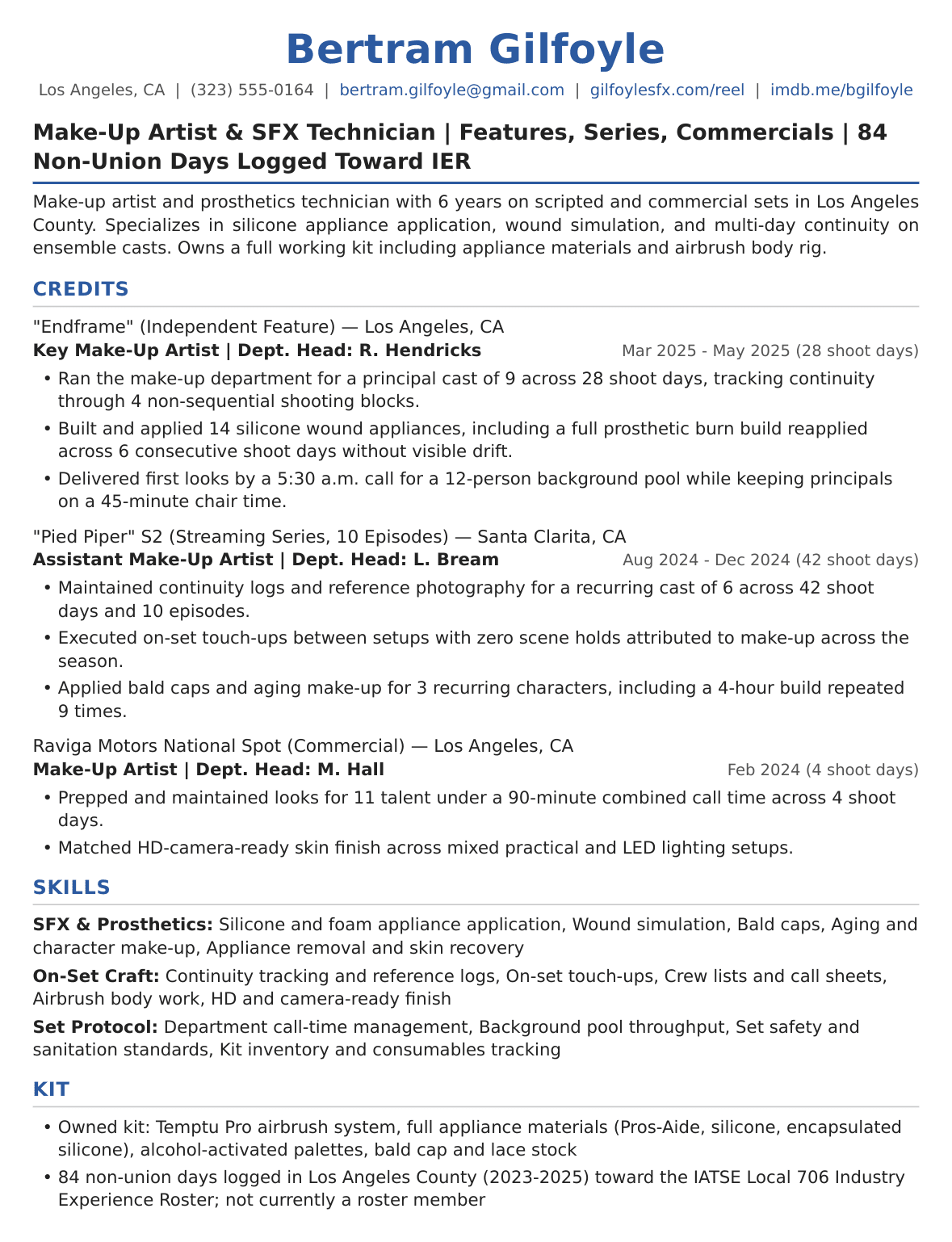
Film, TV & Special Effects Makeup Artist
This resume leans technical. It opens with a reel or demo link instead of a portfolio gallery, and it replaces the client-results framing with a credits list built like a call sheet: production title, format (feature, series, short, commercial), your craft title, department head you reported to, and shoot dates. The skills section foregrounds continuity tracking, prosthetic application and removal, bald caps and wound simulation, airbrush body work, and on-set protocol. Include a kit line naming the products and appliance materials you own outright, since coordinators budget around it. If you are on the IATSE Local 706 roster or hold union days toward it, state that plainly with your day count rather than implying membership.
Editorial and Fashion Makeup Artist
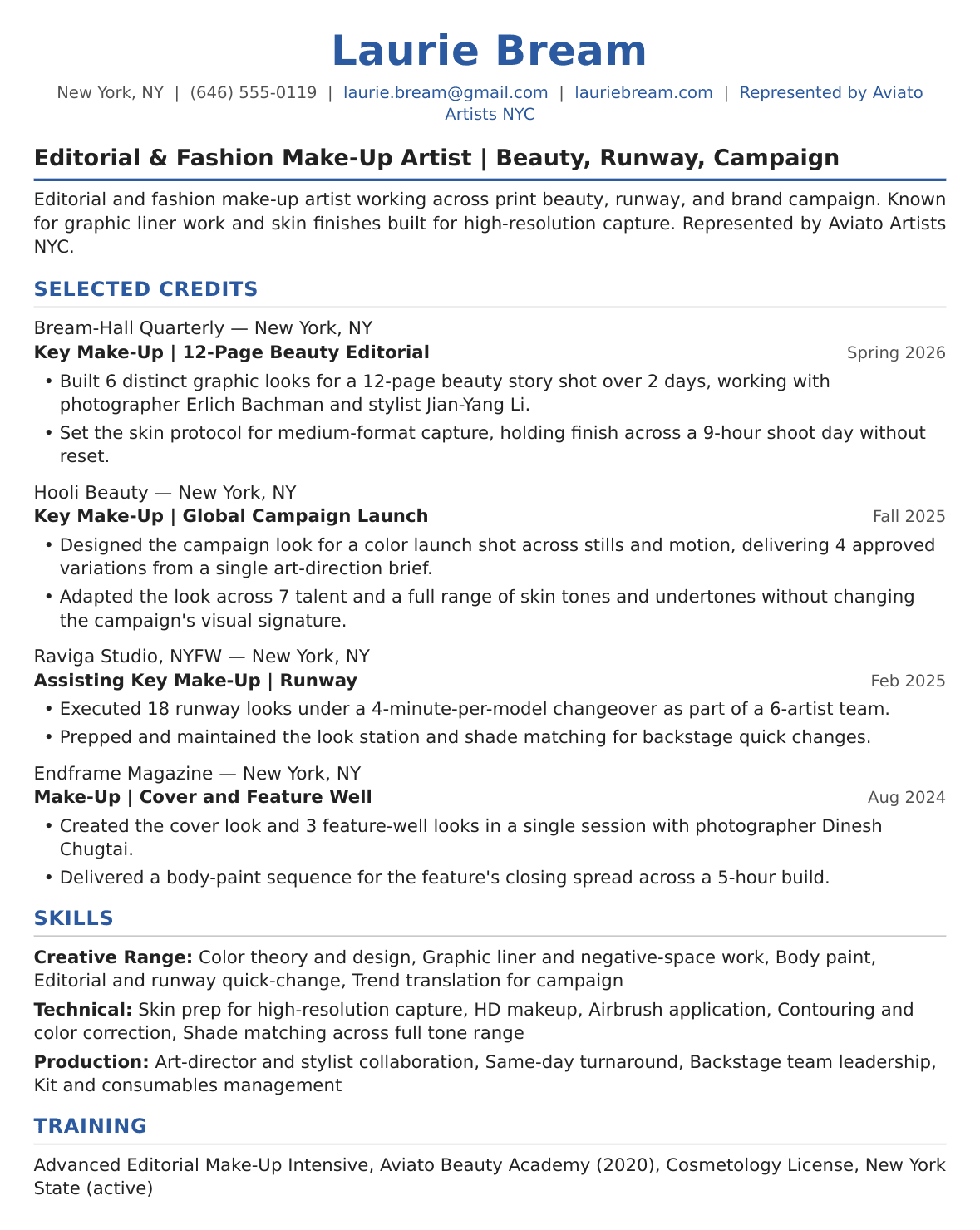
Editorial resumes function almost like a visual CV. The portfolio link comes first, followed by a credits block of named collaborations: photographer, stylist, publication or brand, and shoot type, led by the strongest names rather than the most recent. Agency representation, if you have it, goes in the header next to the portfolio link. The skills section favors creative range and trend fluency over client management: color theory and design, editorial and runway quick-change work, graphic liner and body paint, skin prep for high-resolution capture. Bookings come through agents and art directors, so keep it to one page and let the tearsheets carry the rest.
Retail and Salon/Studio Makeup Artist
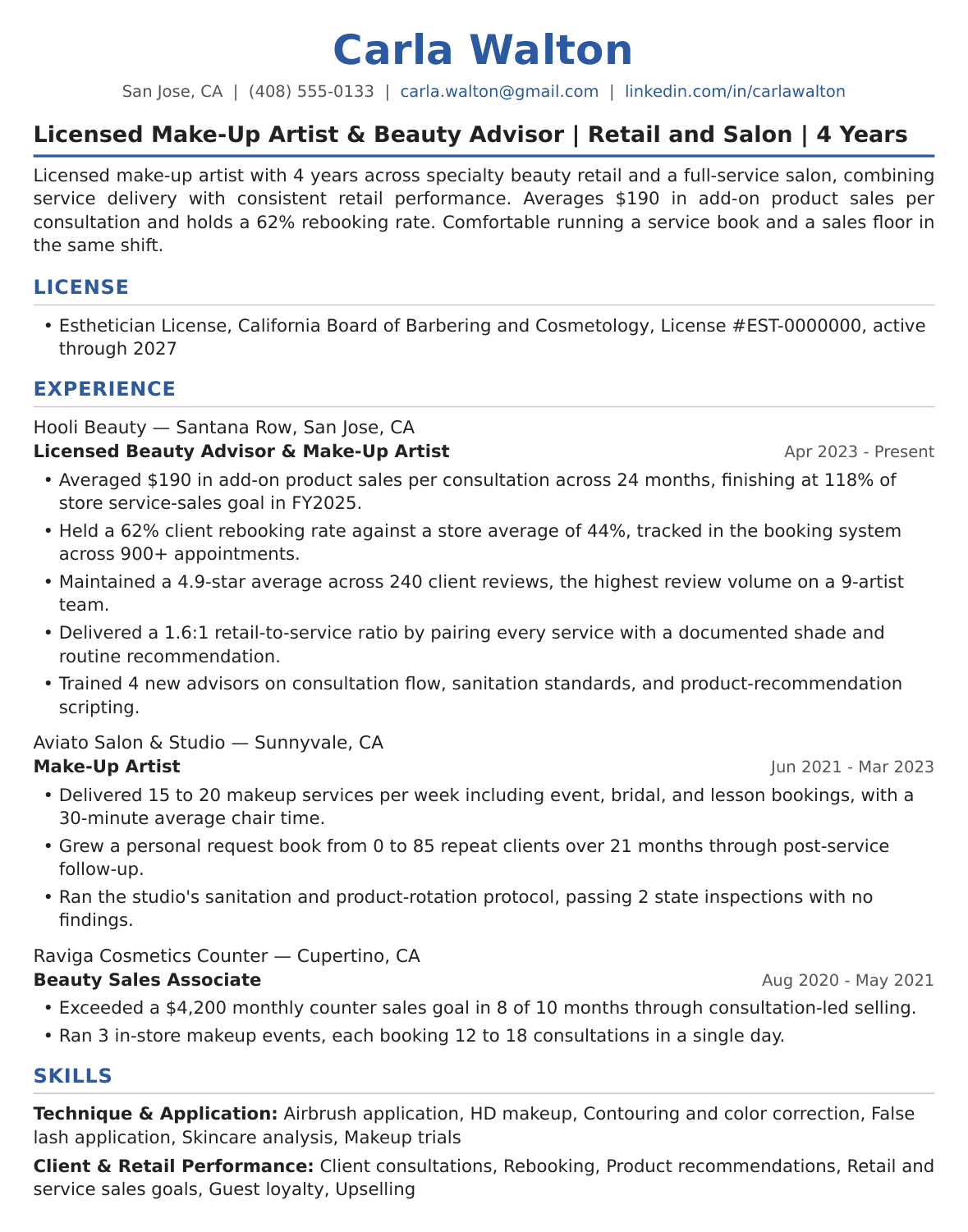
This is the most traditional format: reverse-chronological work history leads, with job titles, employers, dates, and locations formatted like any retail or service resume. Bullets pair artistry with revenue because hiring managers here evaluate both: average add-on sales per consultation, retail-to-service ratio, rebooking rate, review average and review count, and how you performed against a store or salon sales goal. The skills section names the techniques you deliver unsupervised alongside hygiene and sanitation standards. Put your active state license, its issuing board, and its status in a dedicated line under the summary rather than at the bottom, since this is the one lane where a missing license disqualifies you outright.
All four share the same spine: a specialty-specific summary, a categorized skills section, and bullets carrying numbers instead of services. What changes is which proof leads. Most artists work across two lanes, so build one master resume with everything in it and cut a version per lane before you send it.
Freelance vs. Salon/Studio Makeup Artist Resumes: What Changes
A bridal freelancer and a salon employee are both makeup artists, but their resumes shouldn't look the same. The proof you lean on and the format you use both shift depending on who's hiring.
Freelance and bridal resumes tend to be portfolio-led. The resume itself is often just a summary and a link, with the real case made through galleries, client reviews, and booking volume. A line like "40+ weddings booked in 2025, average 4.9-star rating" carries more weight than a job title.
Salon and studio resumes lean reverse-chronological, closer to a traditional retail or service resume. Employers want tenure, retail or service sales numbers, and how you performed inside a team structure, not just individual client praise.
Certifications follow the same split: often optional for freelancers (though still worth listing), commonly required for salon roles, especially where state licensing applies.
| Dimension | Freelance/Bridal | Salon/Studio |
|---|---|---|
| Format | Portfolio-led, summary + links | Reverse-chronological, employer history |
| Proof | Client reviews, bookings, social following | Tenure, sales, retail metrics |
| Certification | Often optional | Commonly required or licensed |
If you're moving between the two, borrow from both: keep the portfolio link and client numbers, but add a clean work history section so a salon manager can scan it the way they scan any other application.
Makeup Artist Resume Keywords
Terminology does different work depending on who reads it. Salon and retail applications pass through a real applicant tracking system first, so exact terms decide whether you clear the ATS resume keywords filter. Bridal and freelance inquiries usually go straight to a human, who reads the same vocabulary as proof you know the craft. The table below covers the vocabulary. Your bullets carry the numbers.
| Category | Keywords |
|---|---|
| Technique & Application | Airbrush application, HD makeup, Contouring and color correction, False lash application, Makeup trials, Skincare analysis, Color theory and design |
| Licensing & Compliance | Cosmetology license, Esthetician license, Active state license, Health and safety protocols, Hygiene and sanitation standards, Cosmetology or trade school certification |
| Client & Retail Performance | Client consultations, Rebooking, Product recommendations, Retail and service sales goals, Guest loyalty, Portfolio, Upselling |
| Film, TV and Freelance Production | SFX makeup experience, Continuity, Crew lists and call sheets, IATSE Local 706, On-set touch-ups, Bridal party and event-day logistics |
Some of these are situational, not aspirational. Don't list a cosmetology or esthetician license you haven't earned, claim IATSE Local 706 if you're not on the roster, or write "SFX makeup experience" because you've watched tutorials rather than applied a prosthetic on set.
The near-misses are what cost you. A posting asking for "false lash application" won't credit a resume that says "lash extensions." "Esthetician license" and "esthetics license" aren't the same string to a parser. A posting's "rebooking" won't match your "repeat clients," and "retail and service sales goals" won't match "hit my numbers." Copy the posting's wording into the bullet wherever it's true of you.
Common Makeup Artist Resume Mistakes to Avoid
Listing Services Instead of Proving Results
The most common failure in this category: resumes that read like a service menu, not proof of results. "Bridal makeup, airbrush application, lash application" tells a hiring manager or bride what you offer, not what you delivered. Replace service lists with outcomes: bookings repeated, reviews earned, timelines hit.
Sending the Same Resume and Link to Every Client Type
A resume built for a salon hiring manager shouldn't look identical to one sent to a bride or a photographer booking editorial work. Reusing one generic resume and portfolio link for every opportunity signals you haven't thought about who's reading it. Adjust the summary and top bullets to match what that client or employer values.
Vague Skills Instead of Named Techniques and Tools
"Skilled in makeup application" says nothing a hiring manager can verify. Name actual techniques, brands, and certifications: airbrush systems, HD foundation work, color theory for editorial and stage lighting, contour and color correction for video, specific bridal or SFX certifications. Specificity separates a real skill set from filler.
Ignoring Basic Formatting and ATS Rules
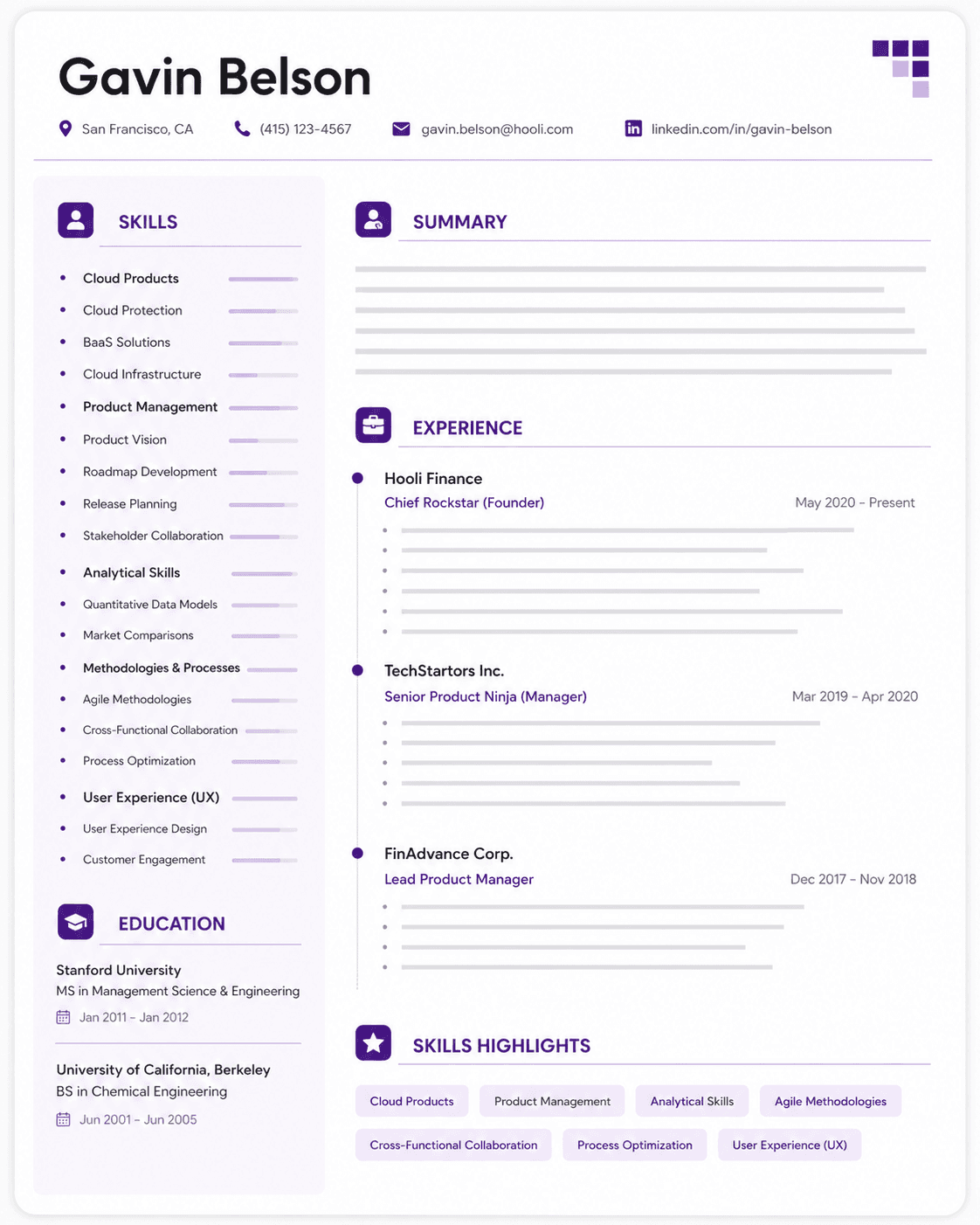
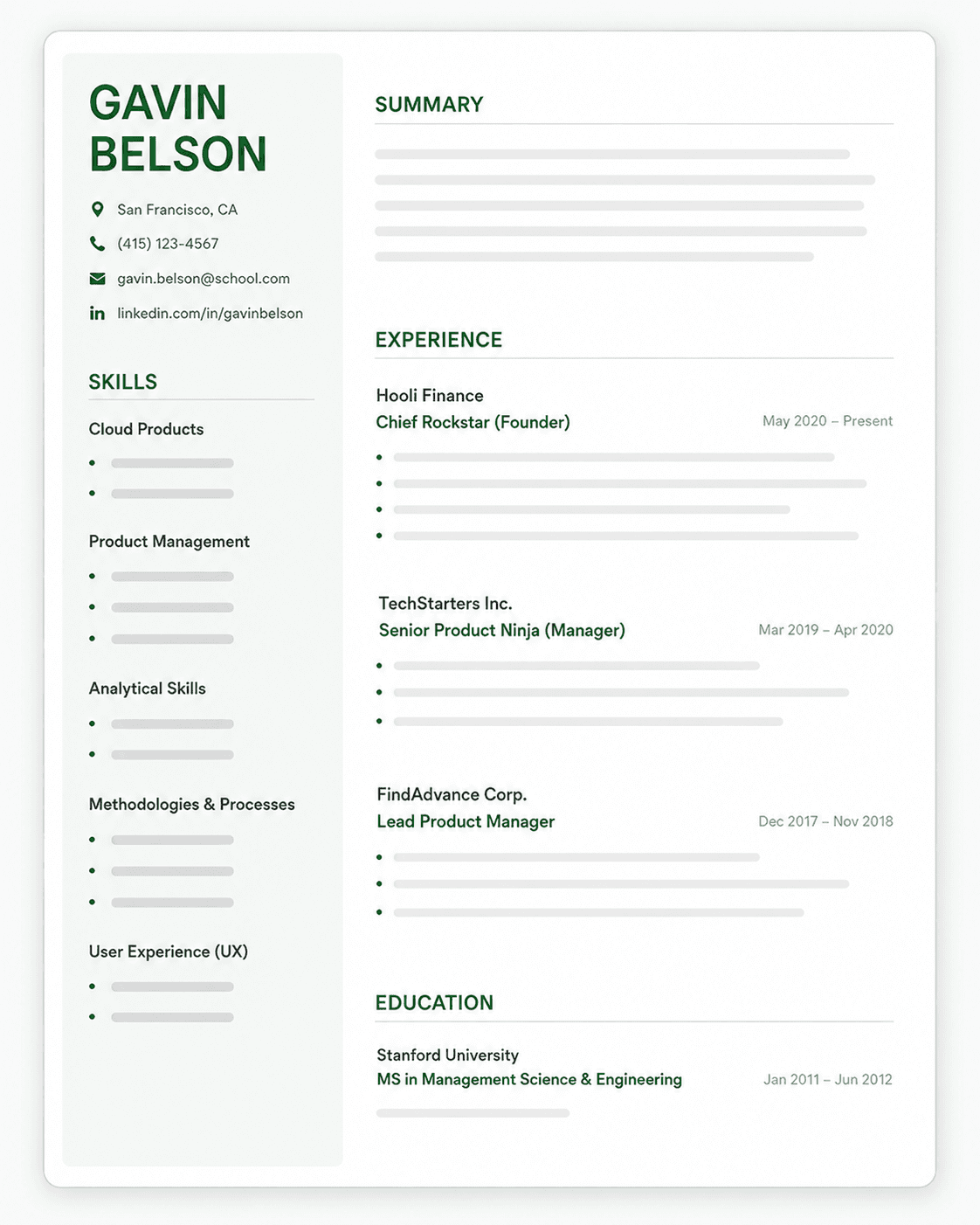
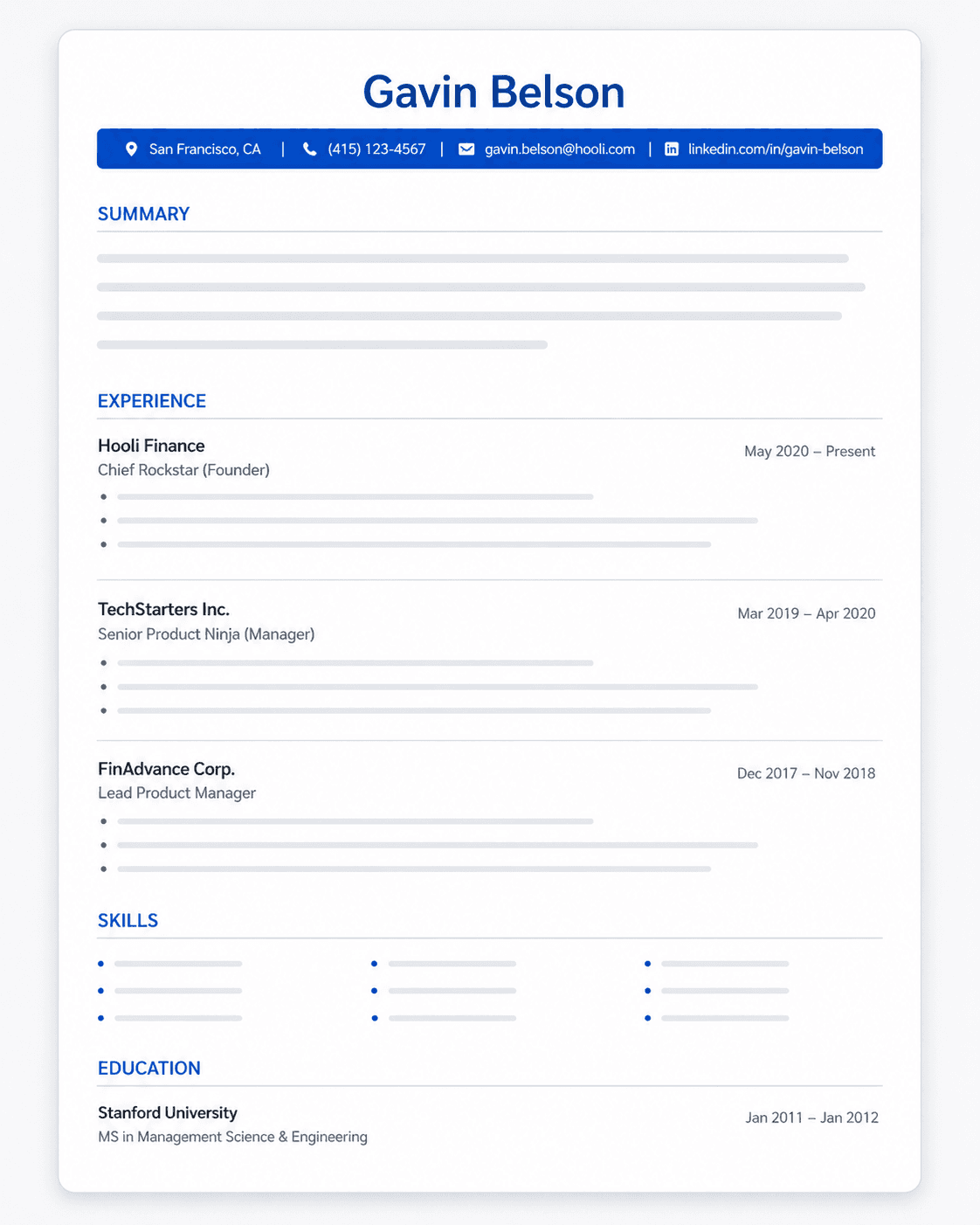
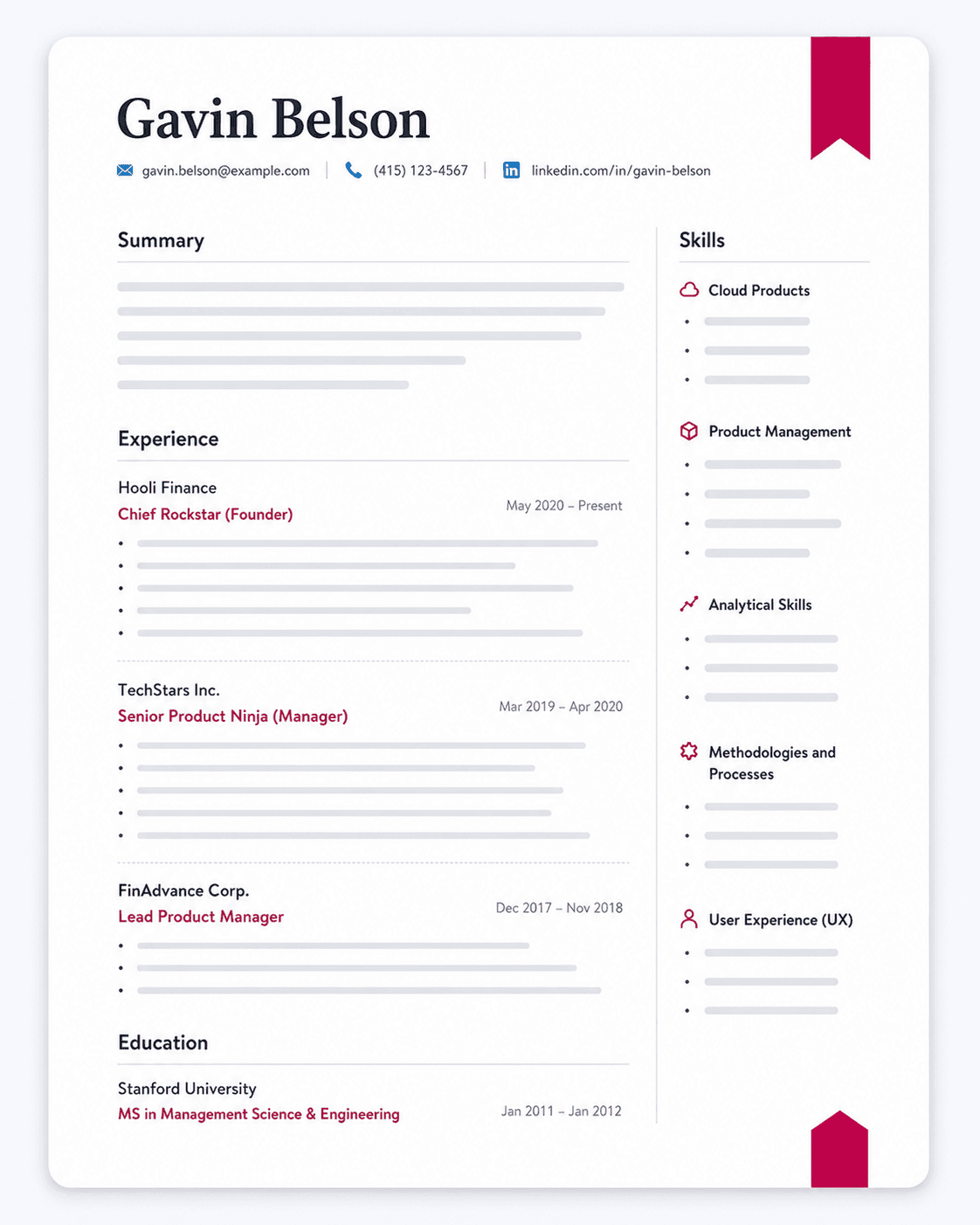
Your portfolio can be visual, but your resume shouldn't be. Tables, columns, icons, and embedded images often break when an applicant tracking system parses the file. Keep the resume in a simple, single-column format and save visual storytelling for your portfolio link.
Overstating Certification as Always Required
Some competitor advice treats a cosmetology or makeup certification as mandatory everywhere. It isn't. Salons and spas often require a state license, but freelance and bridal work frequently doesn't legally require one. State it honestly, and let client results carry the weight where certification isn't decisive.
Linking a Full, Unfiltered Instagram Feed
Sending your entire Instagram instead of a curated set of 8-12 strongest images asks a busy reviewer to do your editing for you. Build a short portfolio organized by specialty (bridal, editorial, SFX) instead of a feed mixed with personal posts.
Padding the Resume With Irrelevant Hobbies
Interests like gardening don't help a hiring manager or bride decide if you're the right artist for the job. If space is tight, spend it on one more quantified bullet or certification instead.
How to Build a Resume With No Professional Makeup Artist Experience
If you have never been paid to do makeup, your resume still has something to say. You just need to reframe what counts as experience.
Practice work is real work. If you have done makeup for a friend's wedding, a sister's quinceanera, or a coworker's headshots, that belongs on your resume. Describe it plainly: "Applied bridal makeup for 6 brides and 20+ wedding party members across 2024-2025, including trials and day-of touch-ups." Do not dress it up with a fake job title like "Freelance Makeup Artist" if you were never actually operating as a business. Honesty holds up better in an interview than a title you can't explain.
Your social media presence counts too. If you have an Instagram or TikTok where you post before-and-afters, tag it in your contact section and mention it in your summary: "Documented 50+ makeup looks on Instagram (@handle), growing an engaged following of makeup enthusiasts."
Transferable experience matters more than people think. Retail and customer service jobs show you can handle walk-ins, upsell products, and stay calm during a rush. Cosmetology school, even unfinished, shows technical grounding.
Instead of a "Professional Experience" section you don't have yet, use "Training & Practical Experience." List your courses, workshops, certifications, and practice work together, with dates. It reads as a deliberate career start, not a gap.
How AI Resume Builders Can Simplify Your Makeup Artist Resume
Rewriting your resume for every client, agency, or studio job takes time you don't have between bookings, and a generic version gets filtered out before a human sees it. Upplai handles the tailoring in minutes with a few core features:
- Real-time ATS scoring: watch your score update as you edit, no download/re-upload cycle
- Transparent suggestions: accept or reject each change individually, with a plain-language explanation for every edit
- Automatic formatting: clean, ATS-friendly structure applied without manual cleanup
- Structure guidance: recruiter best practices plus bias-trigger flagging
- Preference memory: your formatting and phrasing choices carry over across sessions
The free plan includes 200 ATS scans a month and 3 tailored resumes with unlimited downloads, no credit card required. Extra resumes cost $0.50 to $1.00 each, with no subscription.
Land your next booking with a tailored resume
Upload your resume and see exactly where it stands before you apply for your next job.