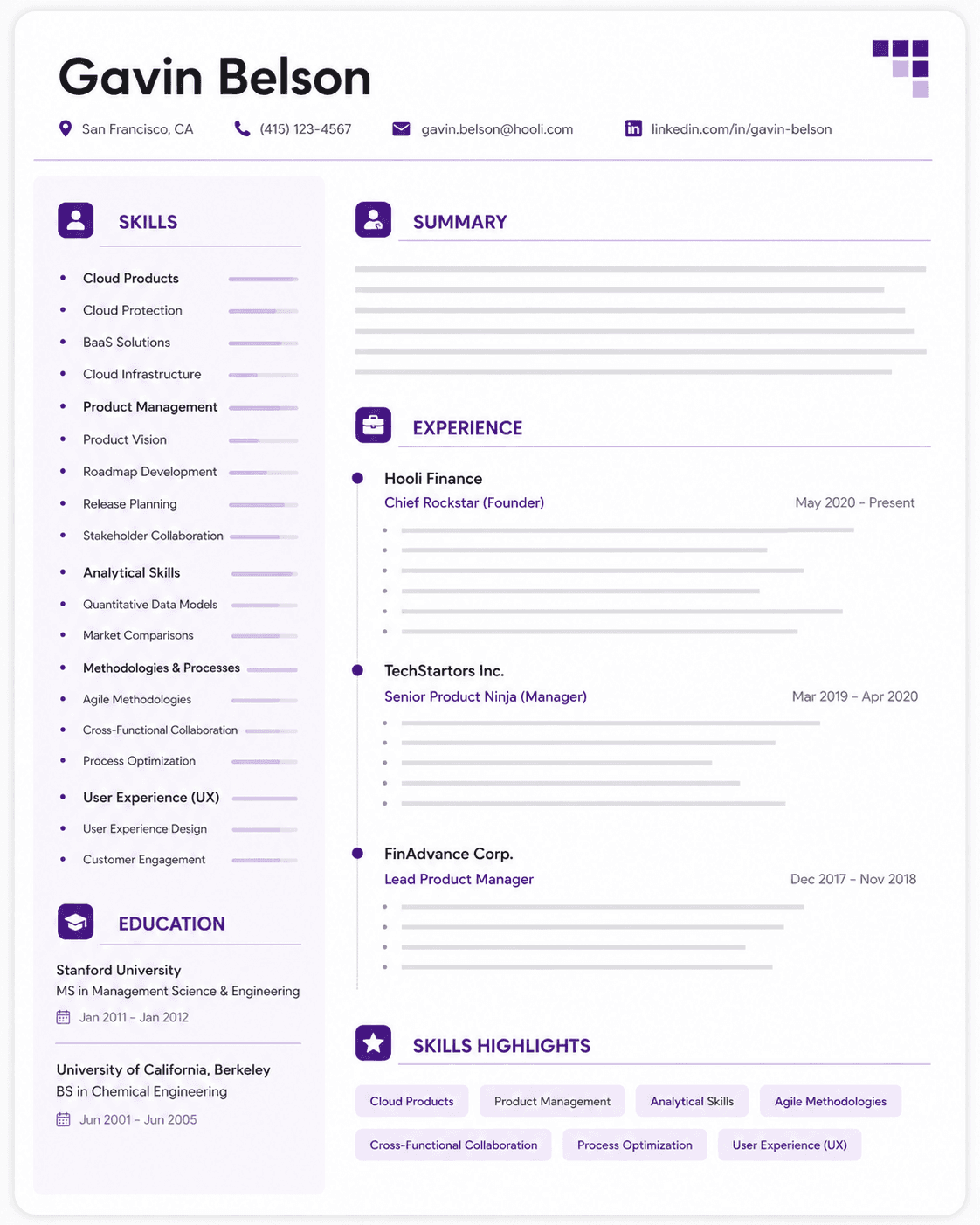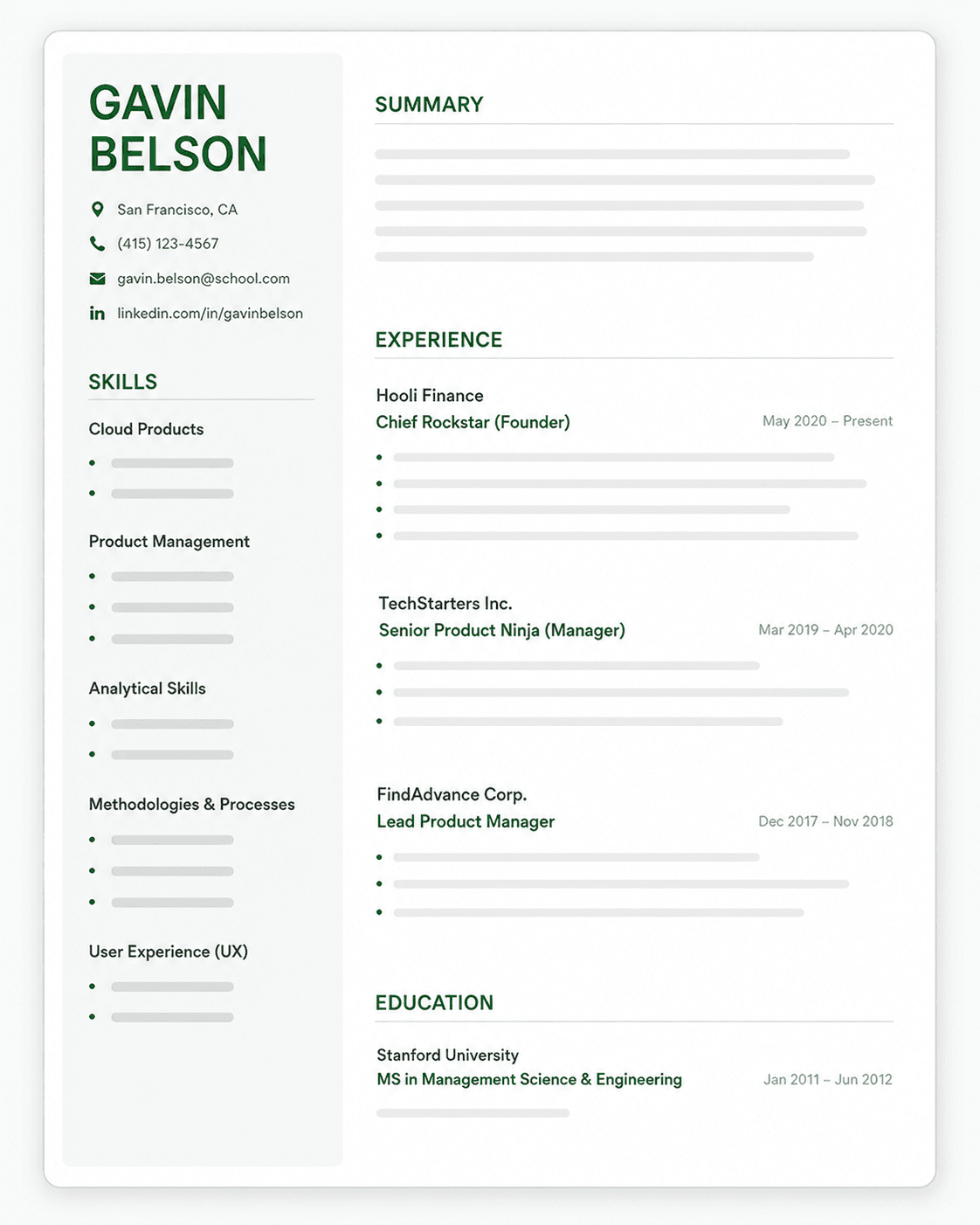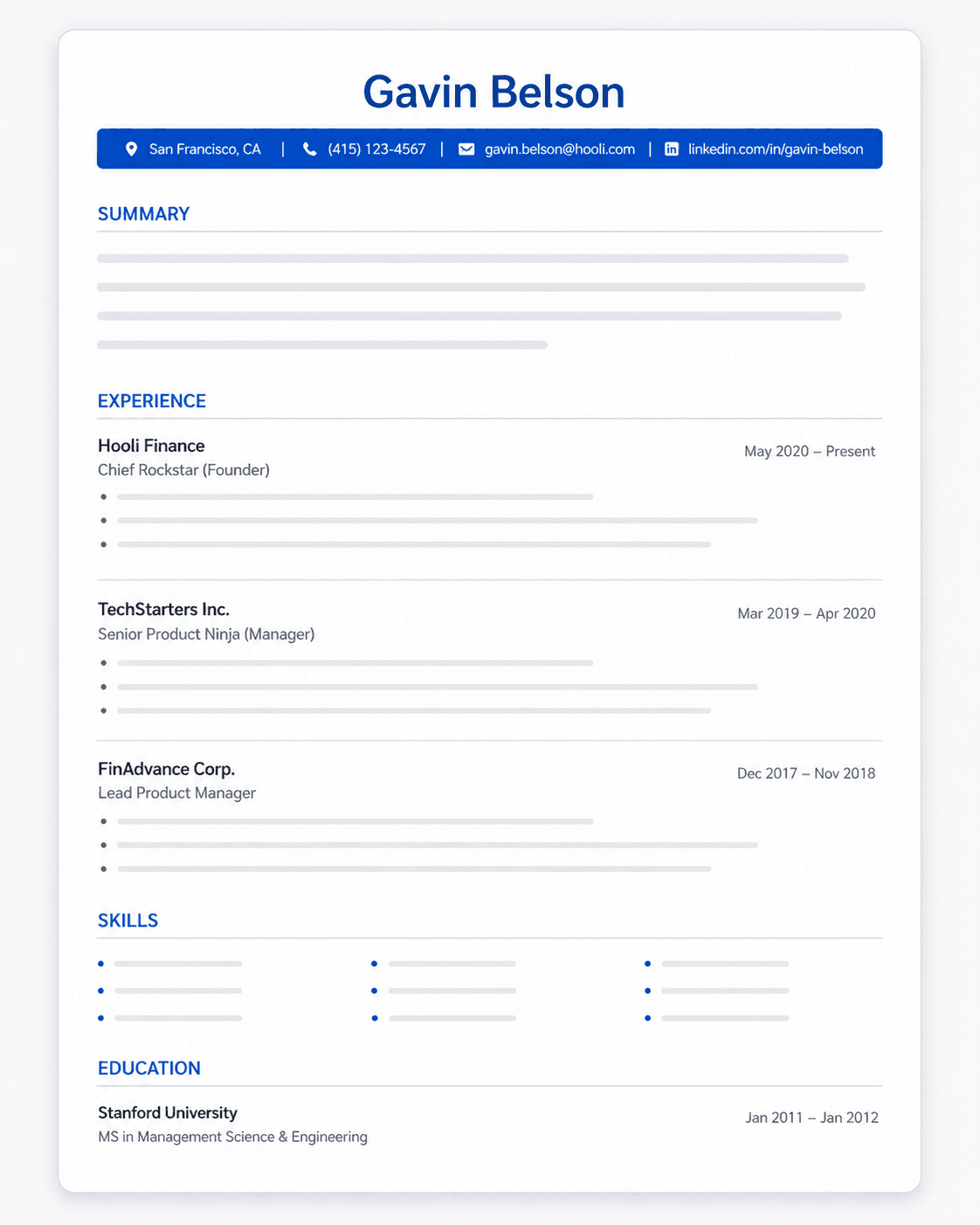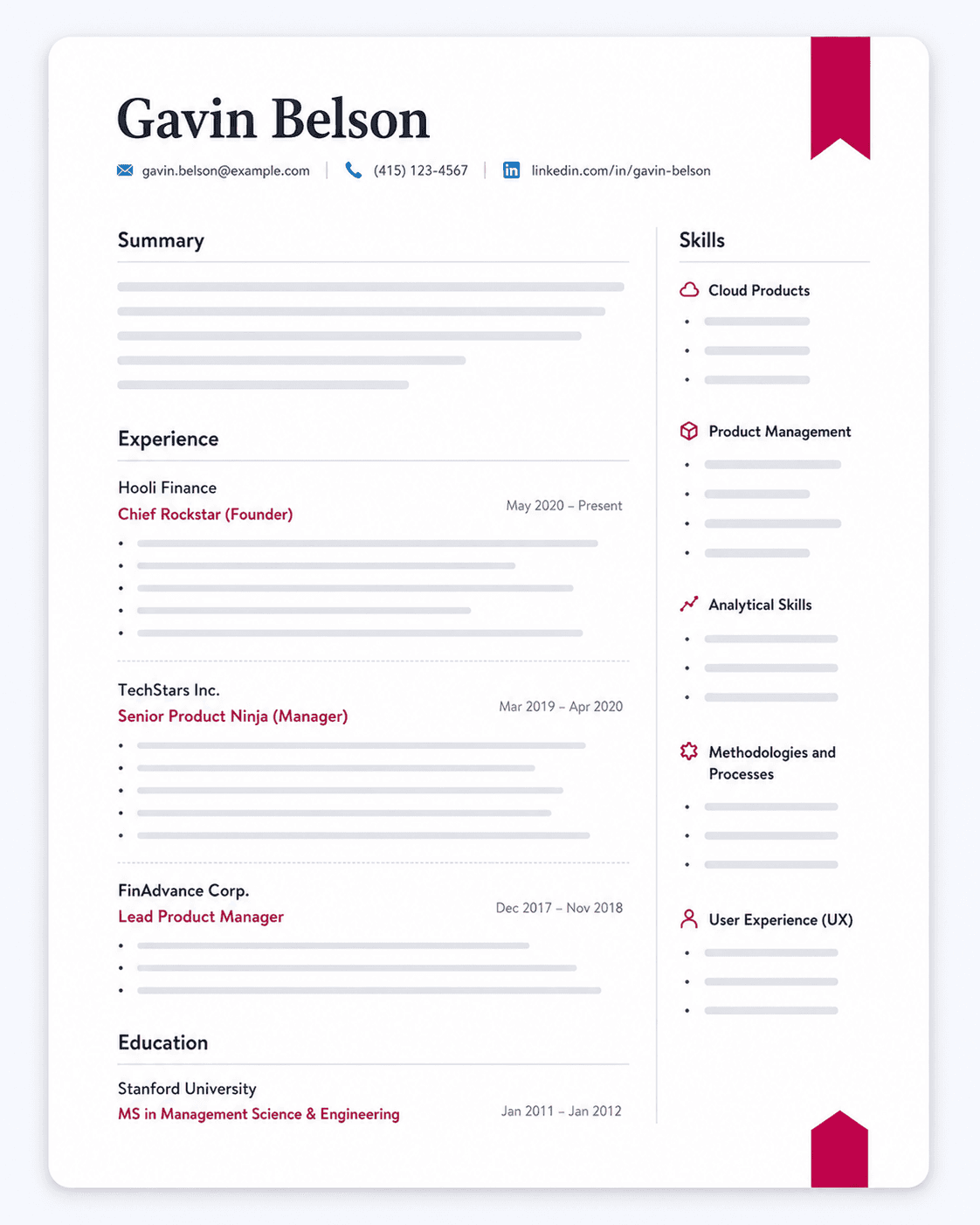
Your credit list is the strongest proof you have that you can run a room. A season of cue counts, cast sizes, and companies in a clean columnar layout tells an artistic director exactly what you've handled, at a glance, the way theatre people have always read a resume.
That same layout is the one most likely to get scrambled the moment it hits an online application portal. Regional theatres, opera companies, theme parks, and corporate live-events employers increasingly route hiring through an ATS, where tables and multi-column text are a known parsing failure point. The credit list built to impress a human reader can arrive as fragments with no position or show attached.
This guide covers both sides of that problem: how to build a production resume that reads the way theatre and opera staff expect, and how to rebuild the same credits into an ATS-safe version. You'll also find an accurate Equity status line, categorized skills and tools, quantified bullets by setting, and a fix for short contracts that shouldn't read as job hopping.
How to Write a Stage Manager Resume That Gets Interviews
A stage manager resume has to prove two different things at once: that you can run a rehearsal room and call a show, and that you can survive an applicant tracking system on your way to the interview.
Pick the Right Format Before You Write a Word
Theatre and opera artistic staff expect a production resume: a columnar credit list with Production, Position, Company, and Director in aligned rows, no dates required, one page. Institutional employers, including conservatories, theme parks, live-events companies, and universities, run the file through an ATS and need a single-column resume instead.
Keep both versions on hand, plus an unlimited-length master list of every credit for your own records to pull from. When you're not sure which to send, check how the posting was listed. A show-specific casting call or a direct email to an artistic director wants the production resume. A posting that routes through an online application portal wants the ATS version.
Grinnell College's stage management resume guide lays out the production-resume convention in detail, including column alignment and one-page discipline.
Write a Summary That Names What You Call and Where
Your summary has three jobs. Name the settings you've worked in (regional theatre, opera, dance, touring, corporate events). Give scale: number of productions, cast and crew size, cue count, house size, or run length. Name the paperwork and calling you actually own, not just "organized" or "detail-oriented."
A weak summary looks like this:
"Organized and dependable stage manager with strong communication skills and a passion for live theatre."
A stronger one looks like this:
"Stage manager with 5 years across regional theatre and dance, calling casts of up to 22 and crews of 15 on shows with 200+ cues. Runs rehearsal reports, prompt books, and daily calls independently, and has advanced productions on load-in schedules up to 40 hours."
If you're early career with student and community credits, use an objective instead: name the position you're targeting, then point to the size and type of productions you've worked, even if the titles were ASM or PA.
Build a Skills Section Around Paperwork, Calling, and Tools
Group your skills so a production manager or recruiter can scan them in seconds.
- Rehearsal and performance mechanics: Calling cues, blocking notation, prompt book maintenance, rehearsal reports, run-of-show tracking, load-in and load-out coordination, production advance work, technical and dress rehearsals
- Paperwork and documentation: Daily calls, contact sheets, production schedules, daily notes, cue sheets, script annotation
- Software and systems: QLab, Vectorworks, ProductionPro, Propared, Microsoft Project, Google Workspace, FileMaker Pro, Microsoft Office
- Company and crew management: Cast and crew scheduling, orchestra coordination, supervisory stage management, cross-department communication, professional demeanor under pressure
Only list what you can run unaided. If a posting says "calling experience on large-scale productions," use that exact phrase rather than a paraphrase, since ATS scans look for the specific wording. And name the actual software you use, ProductionPro or Propared rather than "production software," since a generic label reads as vague to both.
Write Achievement-Focused Experience Bullets
Every bullet should follow the same formula: [action verb] + [specific task or method] + [quantifiable result or scope].
A bullet that reads "Responsible for calling cues and running rehearsals" tells a hiring manager nothing about scale. "Called 220 cues nightly across a 6-week run for a cast of 18, maintaining zero missed calls" proves it. Use the sub-role bullets below as templates and swap in your own numbers.
Regional theatre PSM
- Production stage managed a 6-show LORT season, supervising 2 ASMs and calling an average of 180 cues per production across casts of 8 to 20
- Ran daily production meetings across a 5-week rehearsal process and a 12-week run, tracking budget lines for props and rehearsal furniture
Assistant stage manager
- Tracked blocking and props for a 14-person cast across a 4-week rehearsal process, maintaining a prompt book used by the full creative team
- Managed backstage crew of 6 during a 24-performance run, calling preset and standby cues with zero missed entrances
Opera or dance stage manager
- Coordinated stage management for a 3-opera festival season, calling scores for casts of 30+ alongside a 45-piece orchestra
- Ran daily calls and rehearsal reports across 9 weeks of overlapping rehearsals for 2 productions in repertory
Touring stage manager
- Advanced load-in and load-out schedules across 18 tour stops, coordinating with local crews averaging 25 hands per venue
- Called 8 shows weekly on a national tour, maintaining a consistent 200-cue show across venues with different rigging and sightlines
Corporate and live-events stage manager
- Stage managed a 3-day corporate conference with 12 breakout sessions, coordinating a 20-person AV and production crew
- Ran show flow for a themed seasonal event with 6 daily performances, managing a cast and crew of 35 across a 10-hour operating day
If you don't have clean numbers for a credit, estimate scope instead: cast and crew size, house capacity, or run length are usually easy to reconstruct even years later.
Present Short Contracts Without Looking Like a Job Hopper
Stage management work runs on contracts, not tenure. A single off-off-Broadway AEA engagement can run about 9 weeks; a festival season runs about the same. Listed individually with start and end dates, that history reads like job hopping to anyone unfamiliar with the field.
Fix it by grouping credits under one heading per employer, or by using a single "Freelance Stage Manager, 2021-Present" umbrella with productions nested underneath. List seasons rather than months, and lead the umbrella entry with a scope line, such as total productions or years active, before the individual credits.
Your Credits Table Is Why the ATS Drops Half Your Resume
The columnar production resume is not a habit you picked up on your own. University career-services offices teach it, and working professionals reinforce it. A credit list with Production, Position, Company, and Director lined up in aligned columns is the expected format for a theatre or opera artistic staff to read. But that same layout is a known failure point for applicant tracking systems. Tables and multi-column text are commonly parsed out of order: cells get dropped, merged, or scrambled, so a line like "Production Stage Manager / Twelfth Night / Greenville Theatre / dir. Jane Smith" can land in the system as fragments with no clear position, show, or company attached.
Stage management hiring runs on two tracks at once. Small and mid-size theatres, off-off-Broadway AEA showcases, and community or park-district productions are usually posted directly and read by a human artistic director or production manager who expects the production-resume format. Larger institutional employers, conservatories like Boston Conservatory at Berklee, resident-spectacle producers like Cirque du Soleil, theme-park entertainment divisions like SeaWorld, touring producers like NETworks, and corporate live-events companies, typically list openings through aggregator and ATS-fed pipelines. In a ControlBooth resume review thread, working stage managers tell each other to use columns so that position, show title, and company line up cleanly for a reader, which is exactly the convention that breaks on the ATS side.
Match the format to the track. Sending directly to a theatre or company: keep the production resume, keep the columns, keep it to one page. Applying through a portal: rebuild the same credits as single-column, reverse-chronological entries, one credit per line, in the order Position, Production, Company, Director, separated by commas or a pipe rather than laid out in cells.
:::callout-neutral title="Same credit, two formats" Production resume (table row): Production Stage Manager | Twelfth Night | Greenville Theatre | dir. Jane Smith
ATS-safe line: Production Stage Manager, Twelfth Night, Greenville Theatre, dir. Jane Smith :::
Never submit one file to both tracks. A .docx or a text-based PDF parses more reliably than a designed PDF, and before you submit through a portal, paste your resume text into a plain text editor. If the columns collapse into a jumble there, that's what the ATS sees too.
Equity Status After Open Access: What to Put on Your Resume Now
An "EMC, 22 weeks" line on a 2026 resume tells a production manager you're working from a framework that hasn't been current for three years. An SM-savvy reader notices immediately, and it reads as a resume nobody has touched since a college internship.
Actors' Equity Association made its Open Access membership policy permanent on February 8, 2023. Under Open Access, an actor or stage manager who can document professional work within Equity's jurisdiction can join the union directly, without an employer-sponsored contract or a membership-candidate program clearing the path first. The old Equity Membership Candidate track began phasing out on May 8, 2023, and the phase-out window closed May 8, 2026. Fees former EMC participants already paid still credit toward the initiation fee, with no expiration date on that credit.
What you write depends on where you stand.
If you're Equity, say so plainly: "AEA" or "Member, Actors' Equity Association" on a line near your name or in a short credentials line under your contact info. Union status is a real screening filter on LORT and other Equity contracts, and burying it in a bullet point wastes the signal.
If you're not Equity, don't write anything about EMC and don't write "eligible." Let your credits speak for themselves, and if a posting asks directly, answer non-Equity without hedging.
If you were mid-EMC when the program wound down, drop the week count entirely. List the actual work as credits, the way you would any other production, and let the shows carry the weight EMC status used to carry.
One more thing: union status doesn't register on a theme park, cruise line, corporate live-events, or most conservatory application. Cut that line from the version of your resume you send to those employers.
Stage Manager Resume Examples
These three variants pull from the same body of credits rather than three rungs on a career ladder. Which one you send depends on who is reading it.
Early-Career Stage Manager Resume Example
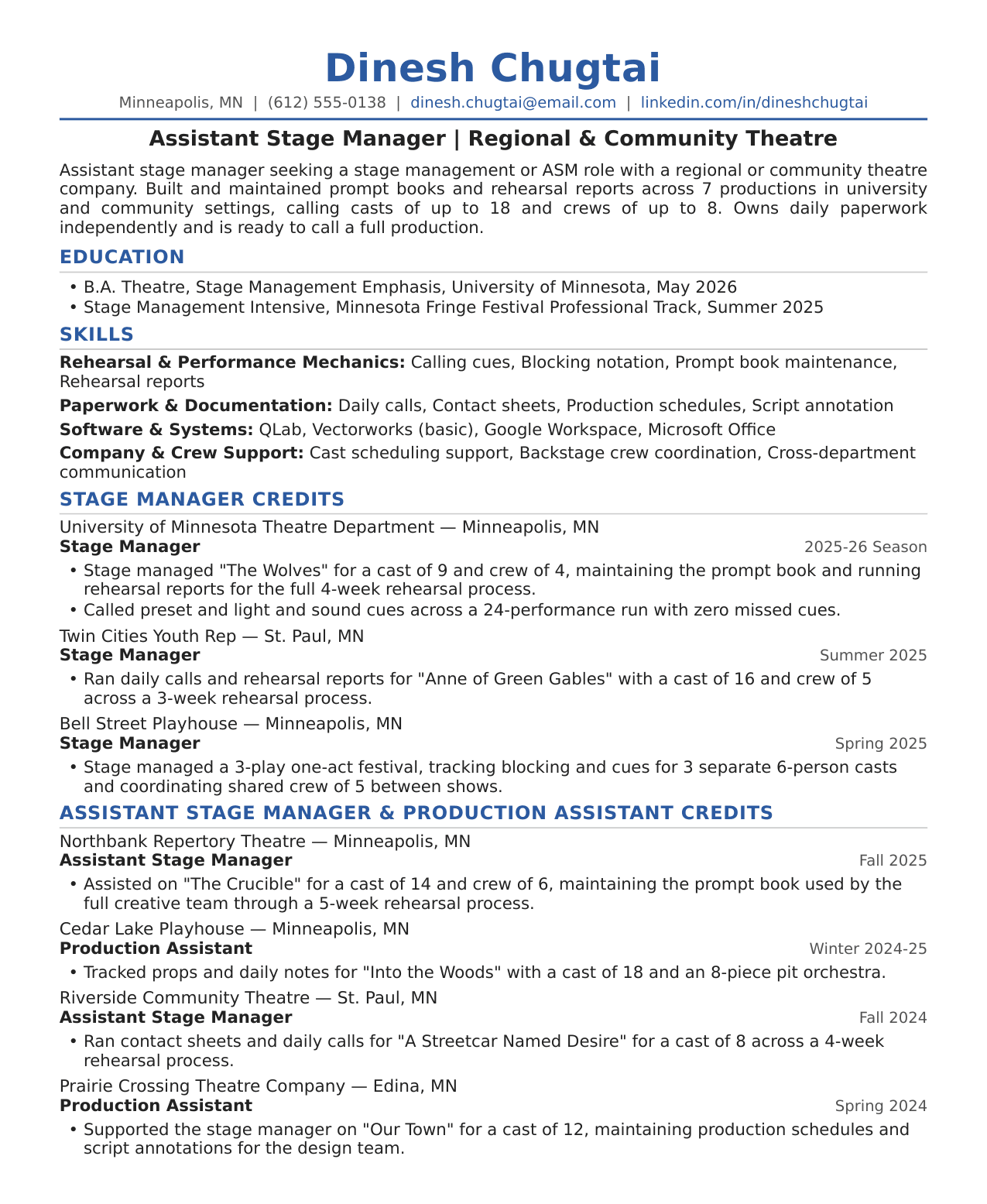
Lead with an objective, not a summary, since you do not have professional metrics yet. Put education near the top, above credits, since a degree or training program is your strongest credential right now. Curate the credits list rather than listing every show: pick 5 to 8 productions that show range, cut high-school work entirely, and group student, community, and ASM or PA credits under clear headers. Prove reliability through paperwork ownership, prompt book maintenance and rehearsal reports you ran yourself, and through named scope: cast size, crew size, run length. That combination reads as trustworthy even without a title beyond ASM.
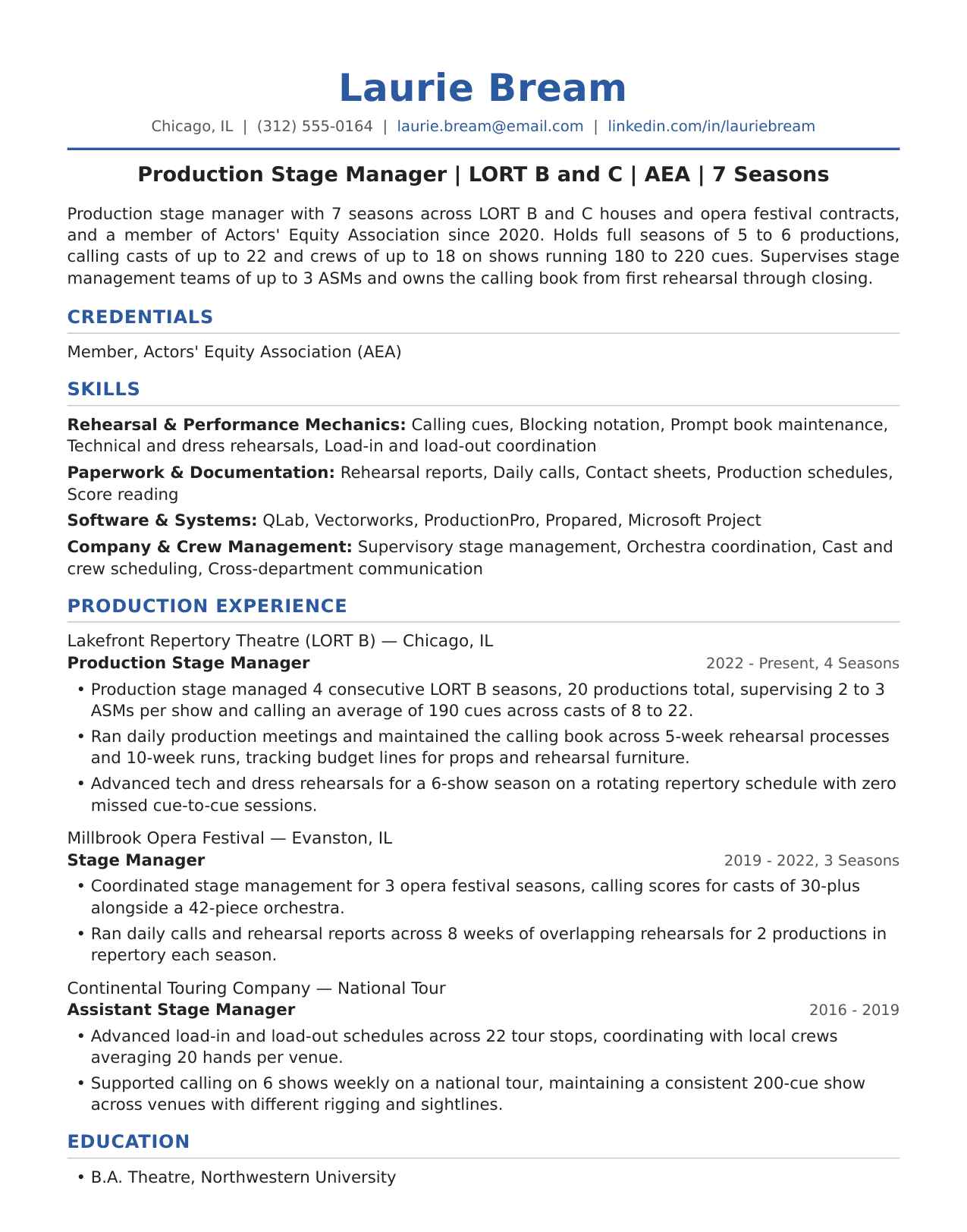
Production Stage Manager Resume Example
Lead with a summary that names seasons managed, contract types worked (LORT category, Equity or non-Equity), cue counts, and company or crew sizes, so a hiring artistic director sees scope in the first three lines. Drop education to the bottom; nobody hiring a PSM with 5-plus years is screening for a degree. Group credits by company rather than listing every production individually, since a resident stretch spanning several shows reads stronger as one entry with a season summary than five separate lines. Include an Equity status line if it applies. Every bullet should prove you can hold a full season and supervise ASMs, not just call one show cleanly.
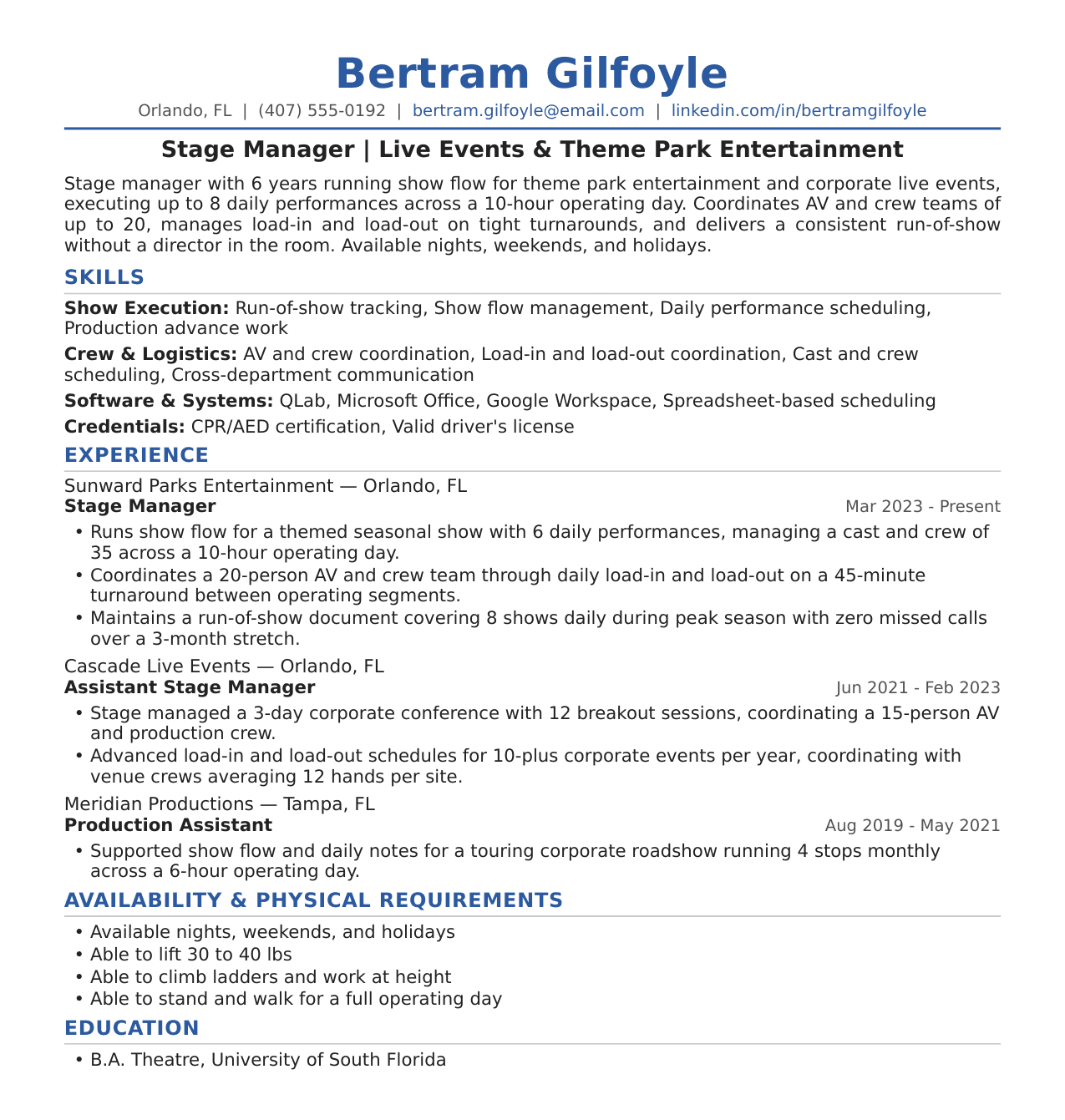
Live Events and Theme Park Stage Manager Resume Example
This is the ATS-facing version: single column, reverse chronological, no credit table, because a theme-park entertainment division or corporate live-events company runs your file through a parser first. Translate theatre vocabulary into the terms those postings use: show flow instead of blocking, run-of-show instead of prompt book, operating day and daily performance count instead of run length, AV and crew coordination, load-in and load-out instead of tech week. State availability and physical requirements plainly, nights and weekends, lifting 30 to 40 pounds, climbing ladders, since these postings screen on those lines before scope or artistry. This version proves you can execute the same show reliably at volume, day after day, not that you collaborated well with a director.
All three share the same backbone: named scope, paperwork ownership, and the specific tools you run. What changes is which of those you lead with and which vocabulary carries it. If you sit between two, start from the production stage manager structure and swap in live-events vocabulary only where a posting calls for it.
Stage Manager Resume Keywords
Stage manager postings across regional theatre, opera, touring, theme parks, and corporate events pull from a small, stable vocabulary, even though the settings look nothing alike on paper. A LORT theatre asks for someone who runs rehearsal reports and keeps a prompt book, while a theme park entertainment division asks for someone who tracks a run-of-show and handles a production advance for that same work. Miss the exact phrase a posting uses and a parsed resume can score as a weaker match, even when you have done the job for years. Read our guide to ATS resume keywords for how these systems scan for wording over synonyms. The table below covers the exact phrases postings use, a different job from the skills block earlier: that one lists the tools you run, this one lists the wording a parser matches against. Your bullets carry the numbers.
| Category | Keywords |
|---|---|
| Rehearsal and performance mechanics | Calling cues, blocking, rehearsal reports, run-of-show, load-in and load-out, production advance, technical and dress rehearsals |
| Paperwork and documentation | Prompt book, daily notes, contact sheets, score reading, orchestra coordination |
| Software and systems | Spreadsheet experience, Microsoft Office, Google Workspace, FileMaker Pro, production schedules |
| Credentials and availability | AEA membership, AGMA agreement, supervisory stage management experience, nights and weekends availability, ability to lift 30 to 40 lbs, CPR/AED certification, valid driver's license, bachelor's degree in theatre |
Match a posting's exact wording in your skills and credits, then let your experience bullets prove each term with a real number.
Common Stage Manager Resume Mistakes to Avoid
Listing Every Credit Instead of Curating
Working stage managers agree that a full career dump tells a reader only your contact details and a wall of show titles. Group credits by company or production type, and summarize volume where you can, such as "stage managed 30+ productions across three companies." As your professional history grows, cut high school credits first, then college credits.
Describing Duties Instead of Scale
"Responsible for running rehearsals" could mean a 6-person one-act or a 40-person musical. Name the cast size, cue count, run length, and crew you supervised instead. "Ran daily rehearsals for a cast of 18, called 220 cues nightly across a 6-week run, and supervised a backstage crew of 6" gives a reader something to measure against their own production and their own budget.
Naming Vague Skills Instead of Specific Tools
"Sound and lighting boards" and "production software" tell a reader nothing about what you can actually run. Name the specific console and program instead. If you list a tool, be honest about your level with it. Operating a board someone else programmed, programming cues yourself, and maintaining a show file across a run are three different skills to an employer, so say which one you actually did.
Sending One Resume to Every Kind of Employer
Different employers read a resume for different things and expect different vocabulary for the same job. Adjust your summary and your top credits for each posting rather than mailing out one static file.
Inflating or Blurring Credits
Theatre and opera are small worlds, and hiring managers check their own networks before they call your references. Listing a student production as professional work, or upgrading a PA credit to ASM, tends to surface in that first phone call and ends the application on the spot. Some companies also verify portfolio material during the interview, so any production photos or paperwork samples you share need to be work you actually did.
Treating the Resume Like an Acting Resume
Headshots are an actor convention. A stage manager resume does not need one, and including one reads as a mismatch to anyone reviewing production management hires. If you want a supporting artifact, offer a portfolio or a prompt book sample as a separate document at the interview stage rather than folding it into the resume. Leave off physical attributes and other personal details that belong on a performer's submission, not yours.
How AI Resume Builders Can Simplify Your Stage Manager Resume
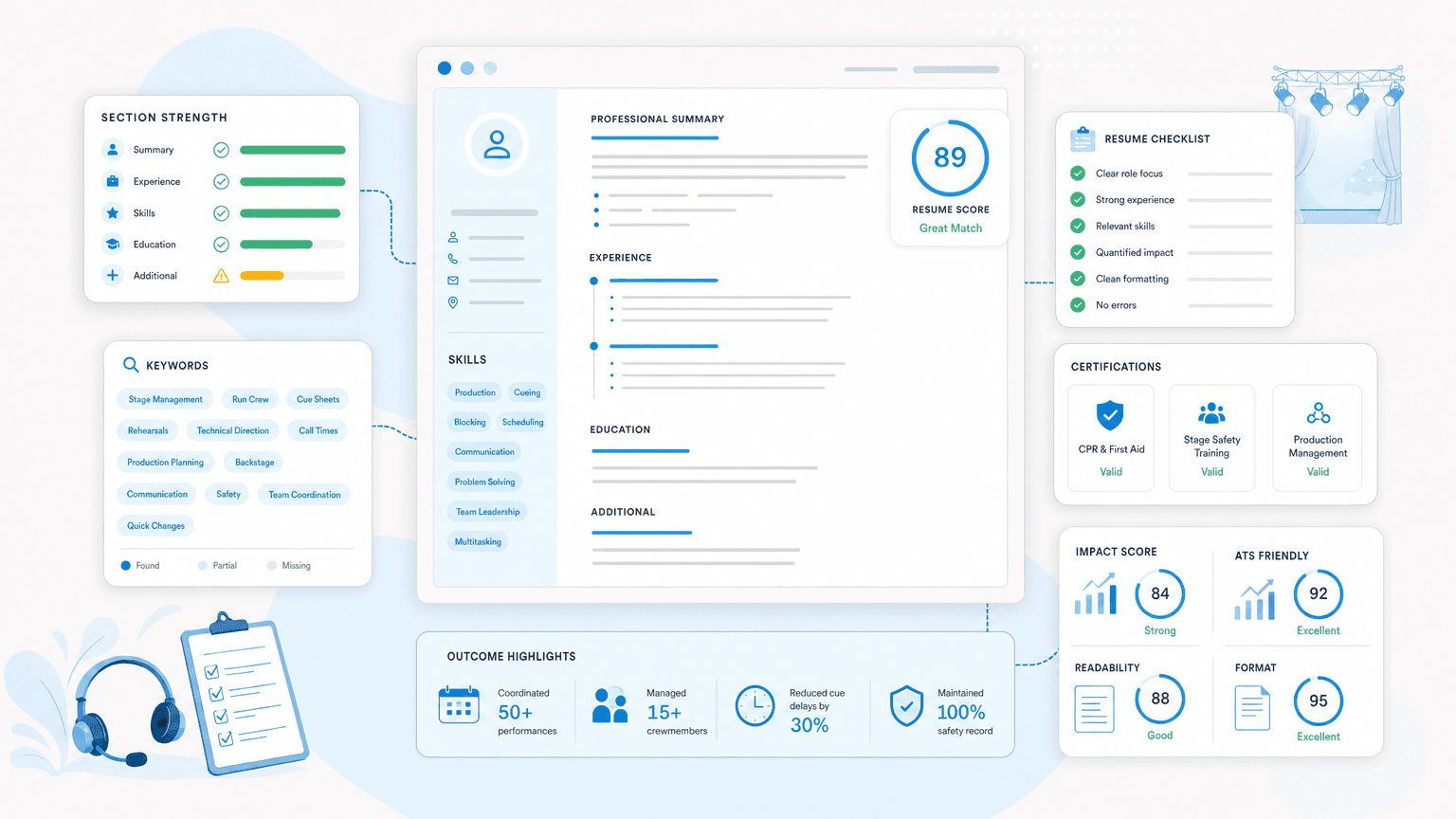
Rebuilding your resume by hand for a regional theatre, an opera company, and a theme park eats the time between contracts, and a generic version gets filtered before a human reads it. An AI resume builder built for this kind of tailoring helps in five ways:
- Real-time ATS scoring: your ATS and recruiter score update as you edit, so you know if a change to your credits table actually helped.
- Transparent suggestions: every edit comes with a plain-language "why" explanation, and you accept or reject each one. Nothing about your credits gets invented.
- Automatic formatting: your resume gets cleaned into ATS-friendly structure, which matters when your credits table is what most often confuses a parser.
- Structure guidance: reorders content for relevance, strengthens action verbs, quantifies cast size or performance count, and flags bias-prone language.
- Preference memory: your formatting and reordering choices carry over between sessions, so the next application doesn't start from scratch.
Pricing stays honest for a job search with an end date. The free plan includes 200 ATS scans every month, plus a one-time allotment of 3 tailored resumes with matching cover letters and unlimited downloads, no credit card required. Extra resumes run $0.50 to $1.00 each, with no subscription attached.
Try it on your own resume
Get a free resume review in under a minute and see what's holding your resume back.
A stage manager resume earns a callback when it proves the same thing your calling book does: that you can hold every detail of a production and hand it back in order. Match the format to who's reading, keep your Equity status line current, and let your bullets carry cast size, cue count, and run length instead of duty descriptions. The credits themselves rarely need dressing up. What needs fixing is whether the format carrying them survives on the other end.